
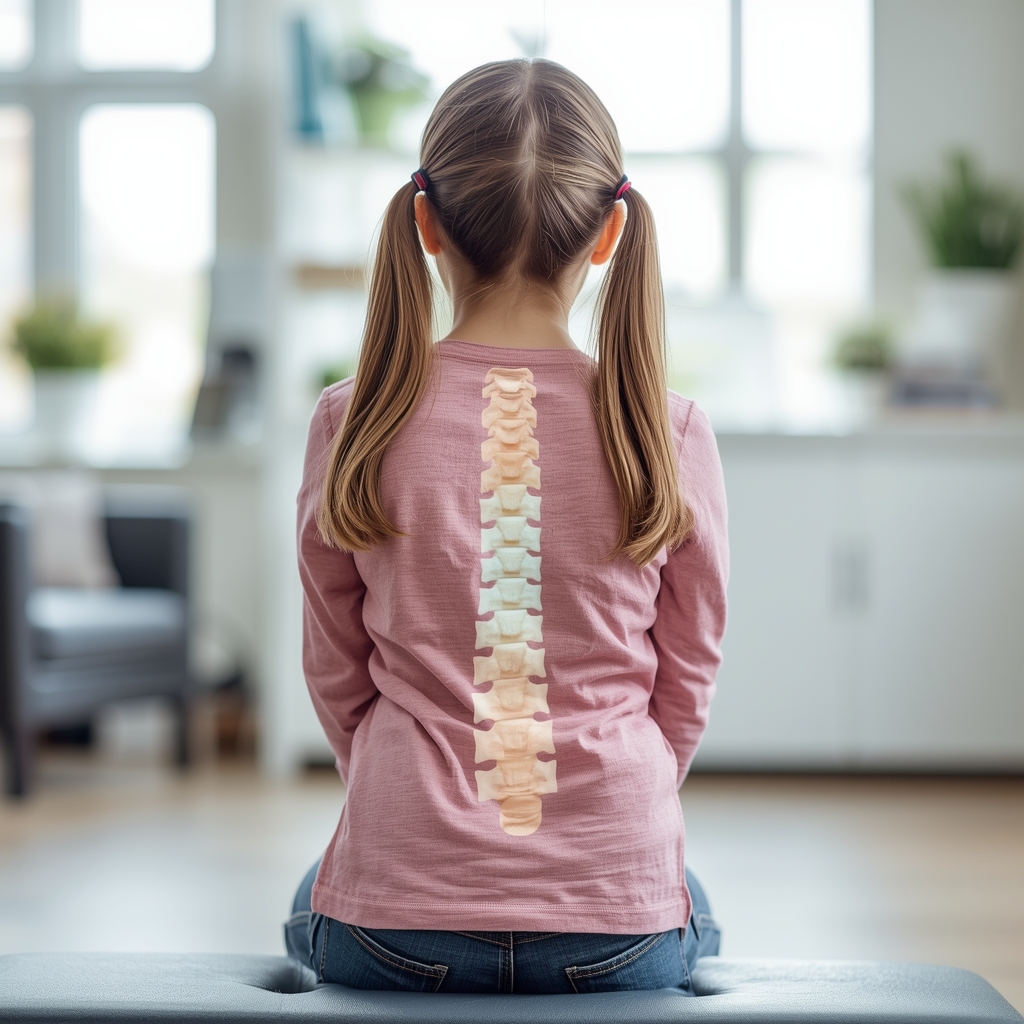
Understanding Postural Imbalances in Children and Adolescents
Postural imbalances in children and adolescents often stem from lifestyle factors like prolonged screen time, poor ergonomic setups, or lack of physical activity. These issues can lead to misalignments in the spine, affecting musculoskeletal development and overall health. Early identification is critical, as children’s bodies are still growing and more adaptable to corrective interventions. Common signs include slouching, uneven shoulder height, or frequent complaints of back or neck pain. Chiropractors play a key role in assessing these imbalances through physical exams and, when necessary, imaging. By addressing postural issues early, chiropractors help prevent long-term complications such as chronic pain or reduced mobility. This proactive approach supports the child’s ability to maintain proper alignment as they grow, setting the foundation for lifelong spinal health.
Chiropractic Adjustments for Spinal Alignment
Spinal adjustments are a cornerstone of chiropractic care for postural imbalances. These manual techniques aim to restore proper alignment to the spine, alleviating pressure on nerves and muscles that may contribute to poor posture. For children, adjustments are tailored to be gentle and precise, ensuring safety and comfort. By correcting misalignments, chiropractors help the body function more efficiently, reducing strain on muscles and joints. This can lead to improved posture, reduced pain, and better overall movement patterns. Regular adjustments also encourage the nervous system to communicate more effectively with the body, supporting healthy development. Parents often report noticeable improvements in their child’s posture and activity levels after consistent care. However, it’s essential to consult a qualified chiropractor to determine the appropriate frequency and type of adjustments for each individual.
Corrective Exercises and Postural Training
Complementing spinal adjustments, corrective exercises are vital for addressing postural imbalances. These targeted movements strengthen weak muscles, stretch tight ones, and retrain the body to maintain proper alignment. Common exercises include core strengthening routines, neck retractions, and posture-specific stretches. Chiropractors often design personalized programs to suit the child’s needs, ensuring they are both effective and engaging. For example, exercises that improve scapular stability can help correct forward head posture, a common issue in adolescents. Consistency is key, as these exercises reinforce the changes made during adjustments. Parents can support their child’s progress by encouraging regular practice and creating a positive environment for physical activity. Over time, these exercises contribute to better posture, reduced discomfort, and enhanced musculoskeletal resilience, laying the groundwork for long-term spinal health.
The Role of Ergonomics and Lifestyle Modifications
Ergonomics and lifestyle changes are essential components of managing postural imbalances in children. Poor posture often worsens in environments that lack proper support, such as unsuitable school desks or excessive screen time. Chiropractors may recommend ergonomic adjustments, like adjusting chair height or using supportive backpacks, to promote better alignment. Additionally, encouraging regular movement breaks and physical activity can counteract the sedentary habits that contribute to postural issues. Parents play a critical role in fostering these habits, such as setting limits on screen time and modeling good posture themselves. Education on proper sitting, standing, and sleeping positions further empowers children to take control of their posture. By integrating these modifications into daily routines, families can create an environment that supports spinal health and reduces the risk of long-term complications.
Monitoring and Long-Term Spinal Health
Regular monitoring is crucial for ensuring the effectiveness of chiropractic interventions in children. As kids grow, their postural needs and challenges can evolve, requiring ongoing assessments. Chiropractors may schedule follow-up visits to track progress and adjust treatment plans as needed. This proactive approach helps catch emerging issues before they become severe. Long-term spinal health also depends on maintaining the corrections achieved through care, which is where consistent follow-ups and home exercises come into play. Parents should remain vigilant for signs of relapse, such as renewed slouching or discomfort. By fostering a partnership between the chiropractor, the child, and the family, the focus remains on sustainable improvements. This collaborative effort not only addresses current imbalances but also builds a foundation for lifelong musculoskeletal wellness.
Collaborating with Healthcare Providers for Comprehensive Care
Chiropractic care for postural imbalances is most effective when integrated with other healthcare approaches. Collaboration with pediatricians, physical therapists, and educators ensures a holistic strategy tailored to the child’s needs. For instance, a pediatrician can rule out underlying medical conditions, while a physical therapist may provide additional exercises to complement chiropractic work. Schools can also play a role by offering ergonomic support and promoting physical activity. Open communication between all parties helps create a cohesive plan that addresses both the symptoms and root causes of postural issues. This multidisciplinary approach not only enhances treatment outcomes but also provides the child with a well-rounded support system. By working together, healthcare providers and families can empower children to achieve and maintain optimal spinal health throughout their development.













