The Hit-and-Run Playbook – What to Do in the First 24 Hours
A hit-and-run crash is disorienting because the other driver leaves you with unanswered questions at the exact moment you need clear information. The first 24 hours matter because your health can change, evidence can disappear, witnesses can become harder to locate, and insurance deadlines may begin. The goal is not to solve everything immediately. The goal is to stay safe, create a reliable record, and connect with qualified local professionals who can give advice based on your situation. Use this playbook as a practical checklist for what to do after a hit-and-run accident, from the first few minutes through the next day.
1. Get to Safety and Check for Injuries
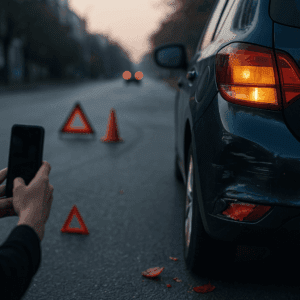
Your first priority is safety. If your vehicle is blocking traffic and can be moved safely, pull over to a secure location such as a shoulder, parking lot, or side street. Turn on hazard lights. If the vehicle cannot be moved, stay as safe as possible, keep your seat belt on if traffic is moving around you, and wait for emergency help.
Check yourself, passengers, pedestrians, and anyone else involved for obvious injuries. Some injuries are immediately clear, such as bleeding, broken bones, or loss of consciousness. Others may not show up right away. Neck pain, back pain, headaches, dizziness, numbness, and stiffness can develop hours after a collision. If there is any concern about injury, call emergency services or seek prompt medical evaluation. For individual health decisions, contact qualified local medical professionals, such as an emergency clinician, primary care provider, chiropractor, or other licensed provider familiar with accident injuries.
2. Call Police and File an Official Report
Call police as soon as you can. A hit-and-run is not just a normal property damage claim; it involves a driver leaving the scene. An official police report helps document the time, location, damage, injuries, and any available details about the fleeing vehicle. Insurers often rely heavily on this report when reviewing an uninsured motorist claim, collision claim, or injury claim.
Tell the responding officer what you remember, but avoid guessing. Useful details include the vehicle’s make, model, color, direction of travel, partial license plate, damage location, bumper stickers, loud exhaust, tinted windows, or anything distinctive about the driver. If you did not see something clearly, say so. Accurate information is more useful than confident speculation. Ask how to obtain the report number and when the full report may be available.
3. Document the Scene Before It Changes
If it is safe, use your phone to document the scene from several angles. Photograph your vehicle, damage close-ups, debris, skid marks, broken glass, traffic signals, road signs, lane markings, weather conditions, lighting, and the surrounding area. Take wider photos that show where the vehicles were positioned and closer photos that show impact points.
Also write down the exact location, including cross streets, mile markers, nearby businesses, parking lot names, or landmarks. Note the time of day, weather, road surface, and traffic conditions. If your dash clock, GPS, or phone location history confirms details, preserve that information. The scene can be cleaned up quickly, rain can wash away evidence, and cameras may overwrite recordings, so early documentation can make a major difference.
4. Identify Witnesses and Nearby Cameras
Witnesses can help confirm what happened, especially when the at-fault driver is gone. Look for drivers who stopped, pedestrians, cyclists, store employees, construction workers, security guards, delivery drivers, or residents nearby. Ask for their name and phone number. If they are willing, ask what they saw and whether they captured photos, video, or a license plate number.
Do not pressure anyone or argue about details. A simple request is enough. You can also make a list of nearby camera sources, including gas stations, restaurants, apartment buildings, traffic cameras, doorbell cameras, parking garages, buses, rideshare vehicles, and commercial trucks. Many video systems overwrite footage within days or even hours. Police, insurers, or an attorney may be able to request or preserve footage, but the first step is knowing where cameras might exist.
5. Preserve Physical and Digital Evidence
Keep everything connected to the crash. Do not repair or discard damaged parts until you have documented them and spoken with your insurer. Save tow receipts, repair estimates, rental car records, medical visit summaries, prescriptions, mileage logs, and any communication related to the crash. If pieces of the other vehicle were left at the scene, tell police rather than handling evidence unnecessarily.
Digital evidence matters too. Save dashcam footage immediately, because many systems record over old video. Back up photos and videos to cloud storage or another device. Take screenshots of rideshare trips, delivery logs, phone location data, or messages that show where you were and when. Start a simple accident folder on your phone or computer so important information is not scattered across texts, emails, and paper receipts.
6. Seek a Timely Health Evaluation and Track Symptoms
Even if you feel mostly fine, consider a timely evaluation from a qualified local healthcare professional. Adrenaline can mask symptoms, and some soft tissue, joint, nerve, and concussion-related symptoms may become more noticeable later. A medical record also creates a timeline that connects your symptoms to the collision, which can be important for insurance purposes.
Track how you feel during the first 24 hours and beyond. Write down pain locations, stiffness, headaches, sleep problems, dizziness, numbness, tingling, limited range of motion, or difficulty with normal activities. Note when symptoms began and whether they improve or worsen. This is not a substitute for professional diagnosis or treatment. It is a practical way to communicate clearly with licensed providers, including physicians, chiropractors, physical therapists, or other clinicians who evaluate accident-related injuries.
7. Notify Your Insurance Company
Contact your insurance company promptly and report that you were involved in a hit-and-run. Provide the basic facts: date, time, location, police report number if available, vehicle damage, injuries, witness information, and any photos or video. Ask what coverages may apply, including collision coverage, medical payments coverage, personal injury protection if available in your state, and uninsured motorist coverage.
Keep your statements factual and avoid exaggeration. You do not need to diagnose your own injuries or estimate final costs on day one. If you are unsure about something, say you are still gathering information. Keep notes of every call, including the date, time, representative’s name, claim number, and what was discussed. If the insurer requests forms, recorded statements, inspections, or medical authorizations, consider asking a qualified local attorney or appropriate professional to review your rights and obligations before you proceed.
8. Be Careful With Repairs, Statements, and Social Media
The first 24 hours can include pressure to move quickly: tow the car, authorize repairs, give statements, post updates, or reassure friends that you are fine. Slow down where possible. You can protect your claim by keeping records, asking questions, and not making broad statements before the facts are known. Saying “I am okay” online or in a text may feel polite, but it may not reflect symptoms that appear later.
Avoid posting crash photos, theories about the other driver, or comments about fault on social media. Do not contact a suspected driver on your own. If you later discover possible identifying information, give it to police and your insurer. If your vehicle needs repairs, photograph it thoroughly first and save all estimates and invoices. If the car is declared a total loss, ask how the valuation was calculated and keep copies of the paperwork.
9. Consider Legal Guidance Early
A hit-and-run can create complicated questions: What happens if the driver is never found? Which insurance coverage applies? Who pays medical bills? What if pain worsens after a few days? What if a camera captured the crash but the business will not release it directly to you? These questions depend on your state, your insurance policy, the evidence, and the severity of injuries or property damage.
You do not have to decide everything within 24 hours, but it can be wise to speak with a qualified local attorney if there are injuries, significant vehicle damage, a disputed claim, missing evidence, or uncertainty about uninsured motorist coverage. This article is general information, not legal advice. A local professional can explain deadlines, reporting duties, evidence preservation, and options based on the laws where the crash happened.
A Simple First-24-Hours Timeline
In the first 10 minutes, focus on safety, emergency care, and calling police. In the next hour, document the scene, identify witnesses, and note nearby cameras if you can do so safely. Before leaving the scene, make sure you have the police report number or instructions for obtaining it, plus contact information for any witnesses.
Within the next several hours, seek appropriate medical evaluation, save photos and videos, back up dashcam footage, and notify your insurer. Before the 24-hour mark, organize your documents, write a short memory statement while details are fresh, track symptoms, and consider whether you need guidance from local healthcare, insurance, or legal professionals. The more organized you are early, the easier it is to answer questions later.
Key Takeaways
- After a hit-and-run, prioritize safety and prompt evaluation for any possible injuries, even if symptoms seem minor at first.
- Call police, document the scene, identify witnesses, and preserve photos, video, receipts, and damaged property before evidence disappears.
- Notify your insurer quickly and ask what coverages may apply, including uninsured motorist, collision, medical payments, or personal injury protection.
- Track symptoms and keep records so qualified local healthcare professionals can evaluate your condition with accurate information.
- Consider speaking with a qualified local attorney when injuries, missing evidence, insurance disputes, or coverage questions are involved.
The first 24 hours after a hit-and-run are about protecting your health, preserving facts, and avoiding preventable gaps in the record. You do not need perfect answers right away. You need a clear sequence: get safe, call police, document everything, look for witnesses and cameras, preserve evidence, report the claim, and seek help from qualified local professionals when medical or legal questions arise. A careful paper trail can make the days and weeks after the crash more manageable.
Additional Resources
- NIH overview of spinal manipulation
- MedlinePlus back pain resources
- NINDS low back pain information
- When to Contact a Rideshare Accident Lawyer After a Crash
- What Legal Actions Can Be Taken After a Los Angeles Bus Crash?
- What to Do in the First 10 Minutes After a Car Accident — The Legal Checklist