
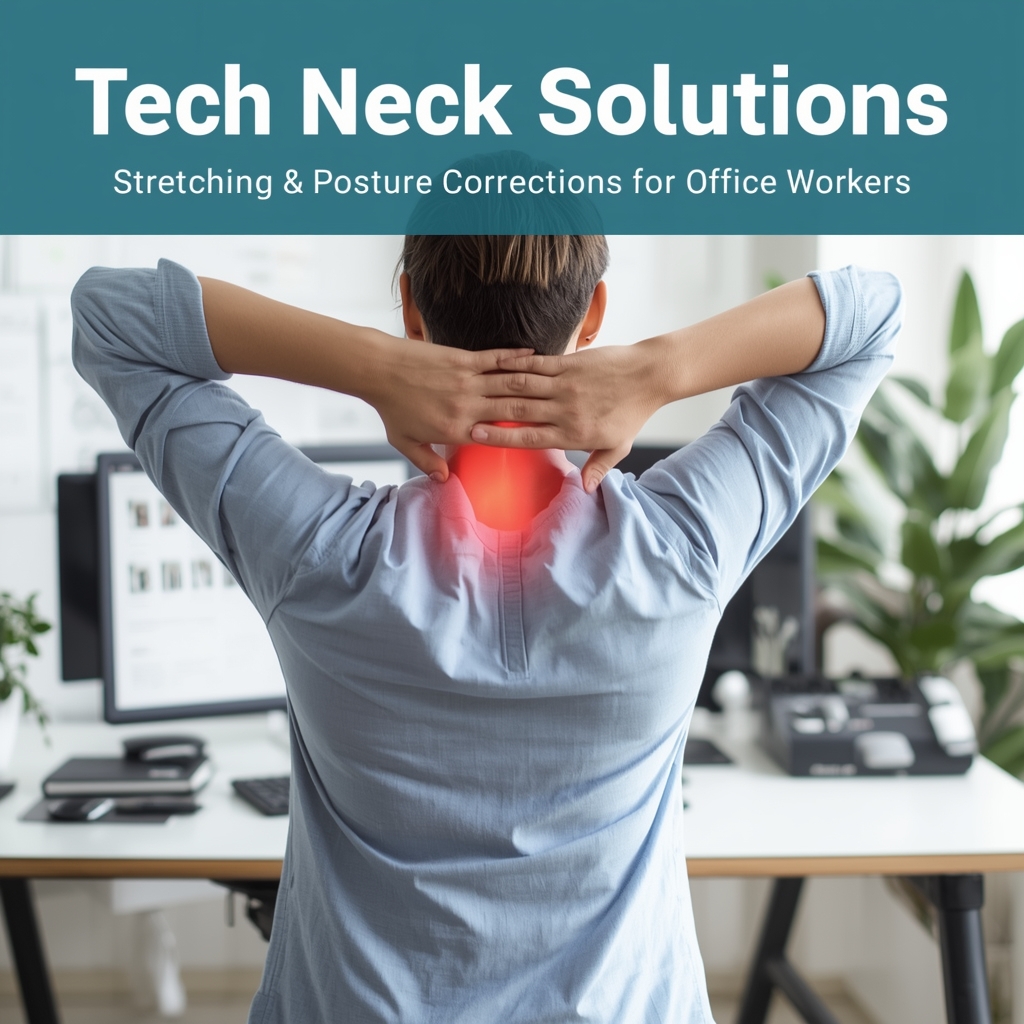
Understanding Tech Neck and Its Impact on Office Workers
Tech neck, a modern condition caused by prolonged forward head posture while using electronic devices, has become increasingly common among office workers. This strain occurs when the head is tilted downward, placing excessive pressure on the cervical spine and surrounding muscles. Over time, this can lead to chronic neck pain, headaches, and even reduced range of motion. The repetitive nature of desk work—typing, scrolling, and staring at screens—exacerbates the issue, making it a significant concern for professionals who spend hours seated. While ergonomic adjustments can help, targeted stretching and postural corrections are essential for long-term relief. Understanding the mechanics of tech neck is the first step in addressing its effects, as it highlights the need for proactive measures to prevent further discomfort and maintain spinal health.
The Role of Targeted Stretching in Alleviating Tech Neck
Targeted stretching routines can effectively relieve the tension and stiffness associated with tech neck. Exercises that focus on the neck, shoulders, and upper back help counteract the effects of prolonged poor posture. For example, gentle neck tilts, side-to-side rotations, and chin tucks can improve flexibility and reduce muscle tightness. Stretching the chest and upper back muscles is also crucial, as these areas often become shortened from hunching over desks. Incorporating these stretches into a daily routine can enhance blood flow, reduce inflammation, and promote better alignment. However, it’s important to perform these exercises correctly to avoid further strain. A chiropractor can guide individuals in selecting the most appropriate stretches for their specific needs, ensuring they are both safe and effective in managing tech neck symptoms.
Postural Corrections to Combat Tech Neck
Correcting posture is a cornerstone of managing tech neck, as it addresses the root cause of the condition. Office workers can benefit from adjusting their workspace to encourage an upright posture, such as positioning monitors at eye level to prevent forward head tilt. Using an ergonomic chair with proper lumbar support and maintaining a 90-degree angle at the knees and hips can also alleviate pressure on the spine. Additionally, taking regular breaks to stand, walk, and reset posture is vital. Simple habits like rolling the shoulders, engaging the core, and aligning the ears over the shoulders can reinforce proper alignment throughout the day. These corrections, when practiced consistently, can significantly reduce the strain on the neck and upper back. Combining postural awareness with targeted exercises creates a holistic approach to managing tech neck, emphasizing the importance of mindful movement and environmental adjustments.
How Chiropractic Care Supports Tech Neck Relief
Chiropractic care offers a non-invasive approach to addressing tech neck by focusing on spinal alignment and musculoskeletal balance. Chiropractors can identify misalignments in the cervical spine that contribute to discomfort and develop personalized treatment plans to correct them. Adjustments, soft tissue therapy, and rehabilitative exercises are commonly used to restore proper function and reduce pain. Additionally, chiropractors may recommend specific stretches and postural adjustments tailored to an individual’s lifestyle and work habits. This holistic strategy not only provides immediate relief but also helps prevent future complications by addressing underlying issues. For office workers, regular chiropractic visits can serve as a proactive measure to maintain spinal health and counteract the effects of prolonged sitting. By working with a qualified provider, individuals can create a sustainable plan to manage tech neck and improve overall well-being.
Incorporating Daily Habits for Long-Term Relief
Managing tech neck requires more than occasional stretches or adjustments—it demands consistent daily habits that prioritize spinal health. Office workers can benefit from setting reminders to check their posture, take short movement breaks, and perform quick stretches throughout the day. Simple practices like using a standing desk, practicing deep breathing to release tension, and avoiding slouching while working can make a significant difference. Additionally, strengthening the muscles that support the neck and upper back through low-impact exercises can enhance resilience against strain. It’s also important to limit screen time when possible and use devices in a way that minimizes forward head posture. By integrating these habits into their routines, individuals can reduce the cumulative effects of tech neck and foster a healthier relationship with their work environment. Consistency is key, as long-term relief depends on sustained effort and mindfulness.
Consulting a Chiropractor for Personalized Solutions
While general advice can be helpful, office workers experiencing persistent tech neck symptoms should consider consulting a chiropractor for personalized guidance. A chiropractor can conduct a thorough assessment to identify specific musculoskeletal imbalances and recommend targeted interventions. This may include customized stretching routines, postural retraining, and adjustments to address spinal misalignments. Additionally, they can provide insights into ergonomic modifications that align with an individual’s workspace and lifestyle. By working closely with a chiropractor, office workers can develop a comprehensive strategy to manage tech neck effectively. It’s important to remember that each person’s situation is unique, and what works for one may not suit another. A professional’s expertise ensures that solutions are both safe and tailored to individual needs, promoting lasting relief and improved quality of life.













