
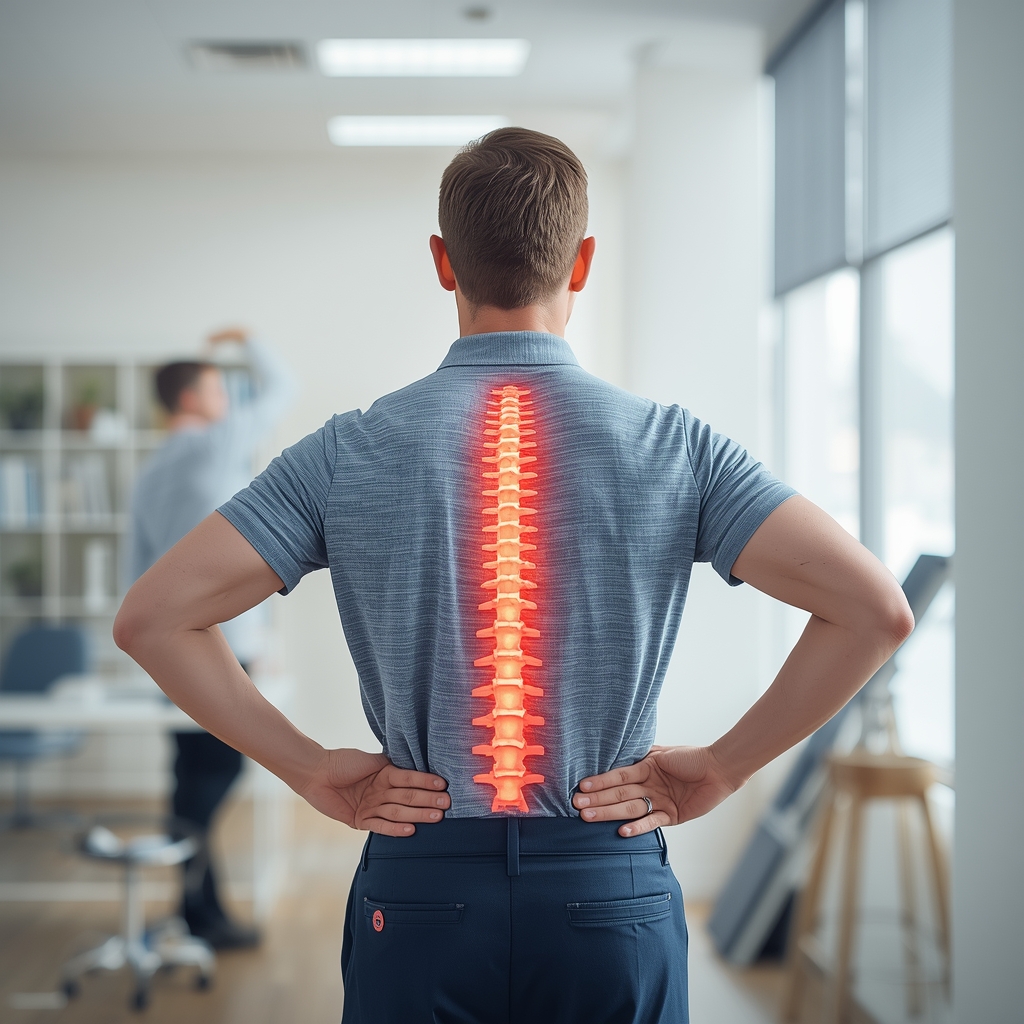
The Role of Spinal Adjustments in Preventing Rotator Cuff Strains
Spinal adjustments can play a critical role in preventing rotator cuff strains by ensuring proper alignment of the spine and surrounding joints. Golf swings involve repetitive rotational movements that place significant stress on the shoulder complex. Misalignments in the thoracic or cervical spine may alter biomechanics, increasing the risk of overuse injuries. Chiropractors use targeted adjustments to restore balance, reduce nerve interference, and improve joint mobility. This can alleviate undue pressure on the rotator cuff muscles and tendons, promoting resilience against strain. While individual results vary, many golfers report improved comfort and performance after regular chiropractic care. Always consult a licensed provider to determine if adjustments suit your specific needs.
Mobility Exercises to Reduce Lower Back Pain
Lower back pain is a common issue among golfers due to the twisting motions and repetitive bending involved in the sport. Incorporating mobility exercises can enhance flexibility, strengthen core muscles, and reduce strain on the lumbar spine. Simple routines like cat-cow stretches, hip rotations, and pelvic tilts can improve spinal elasticity and posture. These exercises help maintain proper alignment during swings, minimizing the risk of disc compression or muscle strain. Additionally, dynamic movements such as side bends and torso twists may increase range of motion, supporting safer golf mechanics. While these practices are widely recommended, their effectiveness depends on consistent application and guidance from a qualified professional.
How Chiropractic Care Enhances Golf Performance
Chiropractic care focuses on optimizing the body’s natural function through spinal health, which directly impacts athletic performance. For golfers, a properly aligned spine supports efficient energy transfer during swings, reducing compensatory movements that may lead to injury. Regular adjustments can also improve nervous system function, enhancing coordination and reaction times on the course. By addressing subluxations (misalignments) and promoting joint stability, chiropractors help golfers maintain consistent form and endurance. This proactive approach not only prevents injuries but also fosters long-term musculoskeletal health. However, it’s essential to work with a chiropractor experienced in sports-related conditions to tailor care to individual goals.
Preventing Overuse Injuries Through Regular Check-Ups
Overuse injuries in golf often develop from repetitive stress on joints and muscles without adequate recovery. Regular chiropractic check-ups can identify early signs of misalignment or dysfunction, allowing for timely intervention. Chiropractors may use diagnostic tools and physical exams to assess spinal health and recommend preventive measures. This proactive strategy helps mitigate the gradual wear and tear associated with frequent play. By maintaining optimal spinal function, golfers can reduce the likelihood of chronic issues like tendinitis or facet joint irritation. While self-care practices are valuable, professional evaluations ensure a comprehensive approach to injury prevention and overall wellness.
The Connection Between Spinal Health and Swing Mechanics
A healthy spine is foundational to efficient and injury-free golf swings. Proper alignment ensures that force is distributed evenly through the body, reducing the burden on individual joints and muscles. For instance, a misaligned pelvis or thoracic spine may cause compensatory movements that strain the lower back or shoulders. Chiropractic adjustments can correct these imbalances, promoting smoother, more controlled swings. Additionally, improved spinal mobility allows for greater rotational capacity, which is essential for power and accuracy. While these benefits are well-documented in clinical practice, individual outcomes depend on factors like technique, fitness level, and consistency of care. A chiropractor can help integrate these principles into a personalized plan.
Combining Adjustments with Lifestyle Modifications
Preventing golf-related injuries requires a multifaceted approach that includes spinal adjustments, mobility work, and lifestyle habits. Golfers should prioritize warm-ups, cool-downs, and strength training to complement chiropractic care. Proper footwear, ergonomic equipment, and mindful posture during play also contribute to musculoskeletal health. Hydration, nutrition, and sleep further support recovery and resilience. While adjustments address structural imbalances, these lifestyle factors reinforce long-term stability. It’s important to recognize that no single solution works for everyone—consulting a chiropractor ensures a tailored strategy that aligns with your unique needs and goals.













