
Introduction to Kinesio Taping and Its Applications
Kinesio taping is a therapeutic technique involving the application of elastic, adhesive tape to the skin to support muscles, joints, and soft tissues. While commonly associated with injury recovery, its uses extend to posture correction and musculoskeletal support. For office workers, who often experience strain from prolonged sitting, kinesio taping offers a non-invasive way to address postural imbalances. By gently lifting the skin and stimulating sensory receptors, the tape can influence muscle activation patterns and improve body awareness. This makes it a valuable tool for managing upper back pain and promoting better alignment. Its versatility allows practitioners to tailor applications to individual needs, making it a popular choice in integrative musculoskeletal care.
How Kinesio Taping Supports Thoracic Spine Alignment
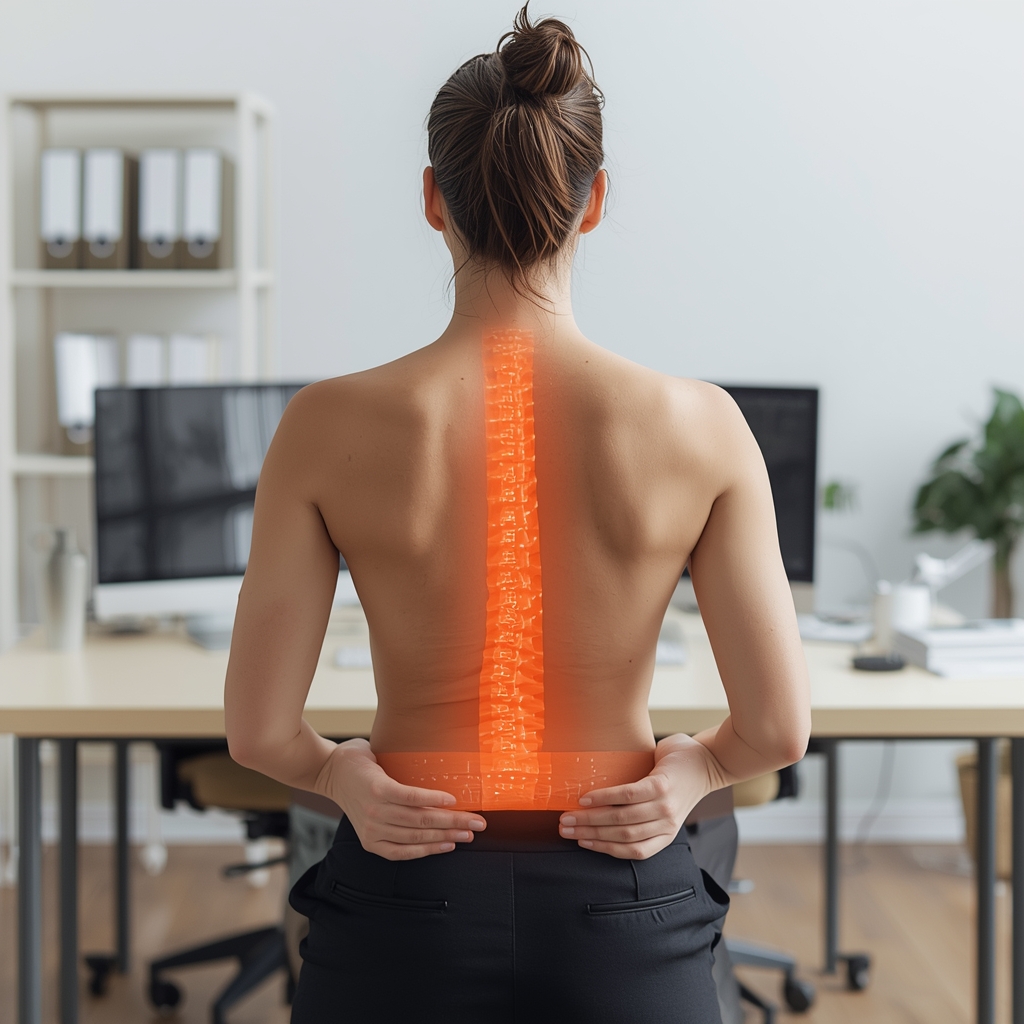
The thoracic spine, located in the upper back, plays a critical role in maintaining posture and protecting vital organs. Poor posture, such as rounded shoulders or a forward head position, can strain this region and lead to discomfort. Kinesio taping can help by providing subtle proprioceptive feedback, encouraging the body to adopt a more neutral spinal position. When applied to the thoracic area, the tape may assist in retraining muscle groups responsible for stabilizing the spine. This can reduce the workload on overactive muscles and promote balanced engagement of underused ones. Over time, consistent use may contribute to improved posture by reinforcing correct movement patterns, which is especially beneficial for individuals with sedentary lifestyles.
Enhancing Postural Awareness Through Taping
Kinesio taping works by creating a tactile reminder that enhances proprioception—the body’s ability to sense its position in space. For office workers, this heightened awareness can help counteract habitual poor posture. The tape’s gentle tension encourages the brain to notice when the spine deviates from an optimal alignment, prompting micro-adjustments throughout the day. This feedback loop can be particularly useful during long periods of sitting, where posture tends to deteriorate. By reinforcing proper alignment, kinesio taping may reduce the risk of developing chronic postural issues. Additionally, the psychological impact of wearing the tape can serve as a motivational tool, reminding individuals to maintain conscious control over their posture. This dual mechanism of physical and cognitive support makes it a unique intervention for desk-bound professionals.
Reducing Upper Back Pain with Kinesio Taping
Upper back pain in office workers often stems from muscle tension, poor ergonomics, or repetitive strain. Kinesio taping can alleviate discomfort by redistributing pressure and supporting affected tissues. The tape’s elasticity allows for natural movement while providing targeted relief, which may reduce inflammation and ease muscle tightness. For example, applying the tape to the rhomboids or trapezius muscles can help relieve the strain caused by slouching. It may also facilitate lymphatic drainage, reducing swelling in overworked areas. While not a standalone solution, kinesio taping can complement other treatments like ergonomic adjustments or stretching routines. Its ability to offer continuous support without restricting motion makes it a practical option for managing day-to-day discomfort.
Integrating Kinesio Taping into Daily Office Routines
Office workers can incorporate kinesio taping into their daily routines with minimal disruption. The tape is typically applied by a trained professional, such as a chiropractor, who can customize the technique to individual needs. Once applied, the tape remains in place for several days, allowing for ongoing support during work hours and physical activities. To maximize benefits, individuals should pair taping with posture-focused exercises, such as shoulder blade squeezes or chest stretches. Regular reapplication may be necessary, depending on the tape’s durability and the user’s activity level. It’s important to monitor the skin for irritation and ensure proper hygiene. By combining kinesio taping with mindful movement habits, office workers can create a proactive approach to musculoskeletal wellness.
Considerations and Best Practices for Office Workers
While kinesio taping offers potential benefits, it is not a substitute for comprehensive care. Office workers should consult a qualified healthcare provider, such as a chiropractor, to determine if this intervention aligns with their specific needs. Proper application technique is critical, as incorrect placement may reduce effectiveness or cause skin irritation. Individuals with sensitive skin or allergies should discuss alternatives with their provider. Additionally, kinesio taping works best when integrated with other strategies, such as ergonomic workspace adjustments or regular physical activity. It’s essential to view the tape as part of a broader approach to posture and pain management rather than a quick fix. By combining professional guidance with personal responsibility, office workers can harness the potential of kinesio taping to support long-term musculoskeletal health.












