
Understanding Innate Intelligence in Chiropractic Philosophy
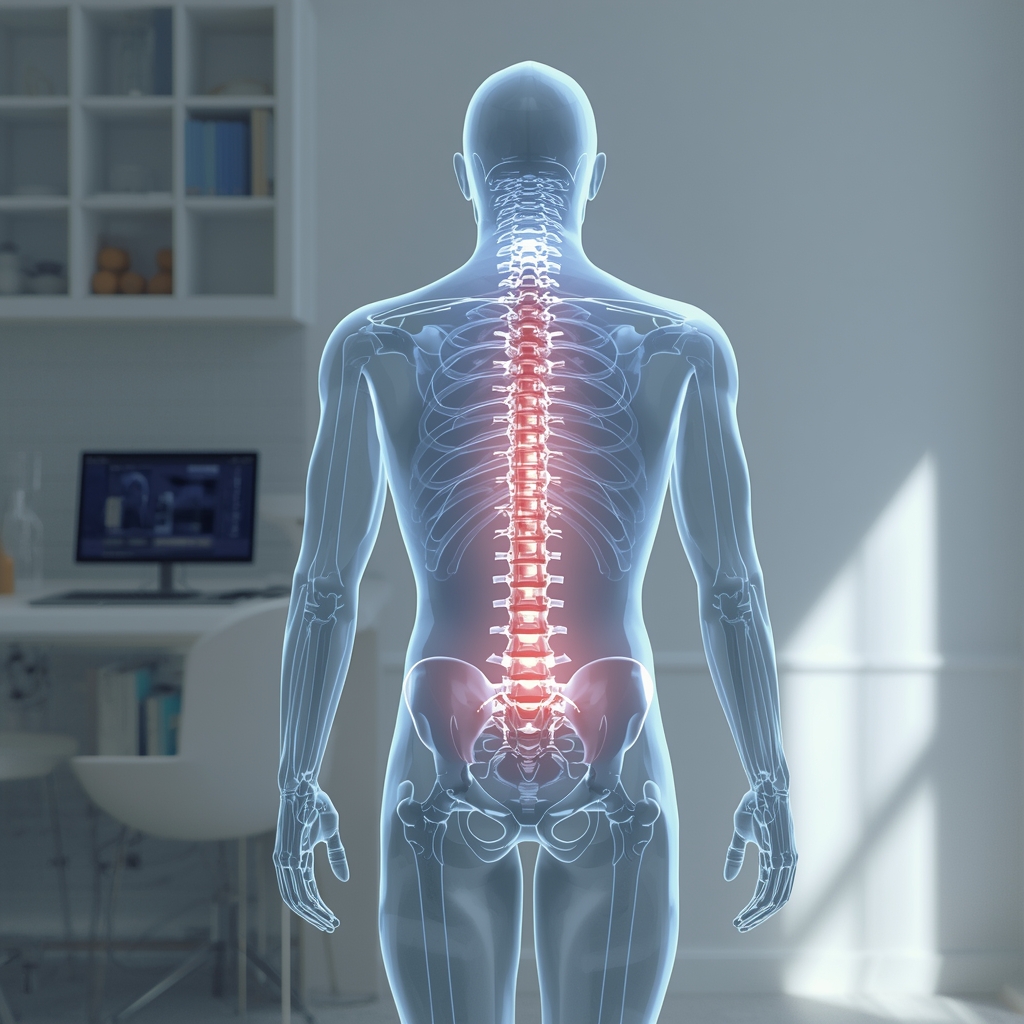
The concept of 'Innate Intelligence' is a foundational principle in chiropractic care, referring to the body's inherent ability to self-regulate, heal, and maintain health. Rooted in the philosophy of D.D. Palmer, the founder of chiropractic, this idea posits that the nervous system is the master controller of all bodily functions, and any interference—such as spinal misalignments—can disrupt this innate healing capacity. While modern science does not explicitly endorse the term 'Innate Intelligence,' many chiropractors integrate its principles with contemporary biomechanical research to better understand how the body's structure and function interact. This approach emphasizes the importance of spinal health in supporting the nervous system's role in overall well-being, creating a bridge between traditional chiropractic philosophy and evidence-based practices.
Historical Context of Innate Intelligence
The concept of Innate Intelligence emerged in the late 19th century as chiropractic was developing as a distinct healthcare discipline. D.D. Palmer believed that the body's natural healing processes could be optimized by removing nerve interference through spinal adjustments. This philosophy was revolutionary at the time, as it challenged conventional medical approaches that focused primarily on external interventions. Over the decades, chiropractic has evolved, with practitioners increasingly seeking to align their practices with scientific advancements. While the term 'Innate Intelligence' remains a philosophical cornerstone, modern chiropractors often reinterpret it through the lens of biomechanics, neurology, and physiology. This historical shift reflects a broader effort to reconcile traditional principles with empirical research, ensuring that chiropractic care remains both relevant and credible in a rapidly advancing medical landscape.
Modern Biomechanical Research and Its Relevance
Contemporary biomechanical research focuses on understanding how the musculoskeletal system functions and interacts with the nervous system. Studies on spinal mechanics, posture, and movement patterns have provided valuable insights into how physical alignment affects overall health. For example, research has shown that proper spinal alignment can enhance nerve communication, potentially supporting the body's natural healing processes. While modern science does not directly validate the concept of 'Innate Intelligence,' it does acknowledge the critical role of the nervous system in regulating bodily functions. Chiropractors often use these findings to inform their practices, emphasizing adjustments that improve biomechanical efficiency. This integration allows practitioners to apply evidence-based techniques while honoring the philosophical roots of chiropractic care, creating a holistic approach that addresses both structural and functional aspects of health.
Challenges in Integrating Philosophy with Science
One of the primary challenges in merging the concept of Innate Intelligence with modern biomechanical research lies in the differing frameworks of these disciplines. The philosophical notion of Innate Intelligence is often abstract, focusing on the body's inherent ability to self-regulate, while biomechanical research relies on measurable, empirical data. This disparity can lead to skepticism from the broader medical community, which may view chiropractic principles as lacking scientific rigor. Additionally, the subjective nature of Innate Intelligence makes it difficult to quantify, posing obstacles for researchers seeking to validate its role in health outcomes. Despite these challenges, many chiropractors strive to bridge this gap by emphasizing the importance of the nervous system's role in health and incorporating biomechanical findings into their treatment strategies. This ongoing dialogue highlights the complexity of integrating traditional beliefs with modern scientific methodologies.
Current Research and Collaborative Efforts
Recent years have seen increased collaboration between chiropractic researchers and biomedical scientists to explore the intersection of Innate Intelligence and biomechanical principles. Studies examining the effects of spinal adjustments on neurological function, pain perception, and musculoskeletal health have gained traction, providing a more scientific foundation for chiropractic practices. For instance, research on the biomechanics of the spine has shed light on how adjustments may influence nerve signaling and reduce inflammation. While these studies do not explicitly confirm the existence of Innate Intelligence, they offer insights into how chiropractic interventions can support the body's natural processes. Such findings encourage a more integrated approach, where philosophical concepts are examined through a scientific lens. This evolving research landscape underscores the potential for chiropractic care to contribute meaningfully to holistic health strategies, fostering greater acceptance and understanding within the medical field.
Conclusion: The Evolving Relationship Between Philosophy and Science
The integration of the chiropractic concept of Innate Intelligence with modern biomechanical research reflects a dynamic interplay between tradition and innovation. While the philosophical underpinnings of chiropractic remain influential, contemporary practices increasingly rely on scientific evidence to inform treatment approaches. This balance allows chiropractors to honor their historical roots while adapting to the demands of modern healthcare. By focusing on the nervous system's role in health and leveraging biomechanical insights, practitioners can offer care that is both principled and evidence-based. As research continues to evolve, the relationship between Innate Intelligence and biomechanics will likely remain a topic of exploration, shaping the future of chiropractic care. Ultimately, this synthesis highlights the profession's commitment to understanding the body's complex systems and supporting optimal health through a holistic, science-informed perspective.














