
Understanding Ultrasound Therapy for Tendon Healing
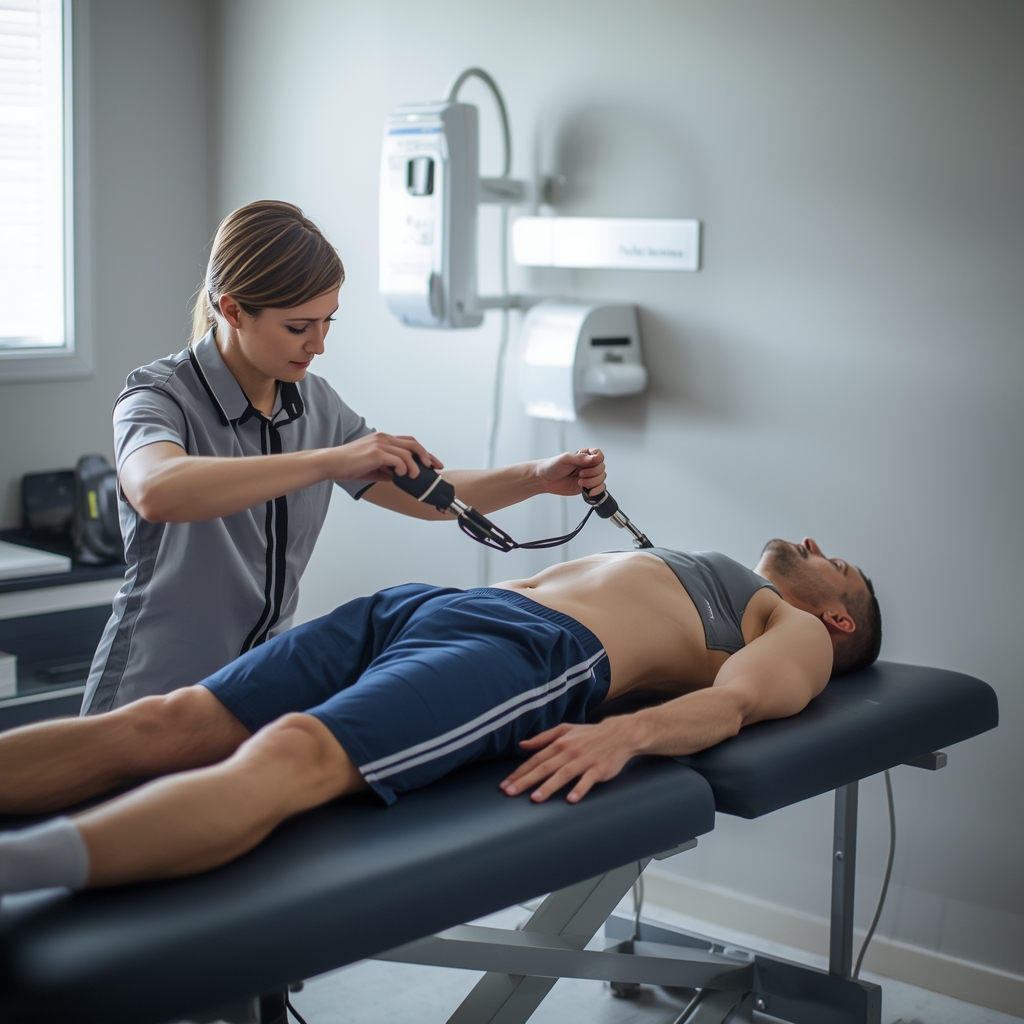
Ultrasound therapy uses high-frequency sound waves to stimulate tissue repair and reduce inflammation, making it a valuable tool for athletes recovering from tendon injuries. While the exact mechanisms are still under study, the therapy is thought to enhance cellular activity, increase blood flow, and break down scar tissue. Athletes often turn to this non-invasive treatment to accelerate recovery and return to sport. However, its effectiveness depends on factors like injury severity, treatment duration, and the provider’s expertise. Always consult a chiropractor or healthcare professional to determine if ultrasound therapy aligns with your specific condition and goals.
How Ultrasound Promotes Tendon Repair
Tendons, which connect muscles to bones, are prone to overuse injuries due to repetitive motions in sports. Ultrasound therapy may aid healing by creating micro-vibrations that stimulate collagen production, a key component of tendon strength. It also increases metabolic activity in the affected area, potentially speeding up tissue regeneration. Some research suggests it can reduce pain and swelling, though results vary. While not a standalone solution, ultrasound therapy is often used alongside other treatments like rest, physical therapy, and manual adjustments. Athletes should approach it as part of a comprehensive recovery plan tailored by a qualified provider.
Protocols for Common Tendon Injuries
Effective ultrasound therapy protocols vary depending on the injury type. For example, Achilles tendinopathy might require lower-frequency settings to avoid further damage, while patellar tendinitis may benefit from higher intensities to target deeper tissues. Treatment duration, session frequency, and application techniques (e.g., continuous vs. pulsed waves) are adjusted based on the athlete’s needs. Chronic injuries often require longer-term protocols, whereas acute tears may need shorter, more focused sessions. A chiropractor will assess the injury’s stage and severity to design a personalized plan. Consistency and adherence to the prescribed regimen are critical for optimal outcomes.
Factors Influencing Treatment Success
Several factors affect how well ultrasound therapy works for tendon healing. The injury’s stage—acute, subacute, or chronic—determines the appropriate settings and duration. Athletes with poor circulation or underlying health conditions like diabetes may experience slower recovery. Proper technique is also essential; incorrect application can lead to inadequate results or tissue damage. Additionally, combining ultrasound with other therapies, such as stretching or strengthening exercises, enhances its effectiveness. Patients should communicate openly with their chiropractor about symptoms and progress to refine the treatment approach. Regular follow-ups ensure adjustments are made as needed.
Comparing Ultrasound Therapy to Other Treatments
Ultrasound therapy is often used alongside other modalities like ice, heat, or electrical stimulation for tendon injuries. Compared to corticosteroid injections, it offers a non-pharmacological option with fewer side effects, though results may take longer. It also differs from manual therapies like Active Release Technique (ART) by focusing on deep tissue stimulation rather than direct manipulation. While some studies suggest ultrasound’s benefits, others highlight the need for more rigorous research. Athletes should discuss all available options with their chiropractor to weigh potential benefits and risks, ensuring a holistic approach to recovery.
When to Seek Professional Guidance
Ultrasound therapy is not a one-size-fits-all solution. Athletes experiencing persistent tendon pain, swelling, or reduced mobility should seek evaluation from a chiropractor or sports medicine specialist. A professional can identify the injury’s root cause and determine if ultrasound therapy is appropriate. They may also recommend complementary treatments to address underlying issues, such as biomechanical imbalances or muscle weakness. Self-treatment or improper use of ultrasound devices can delay healing or worsen the condition. Always rely on a qualified provider to guide your care and monitor progress throughout the recovery process.














