
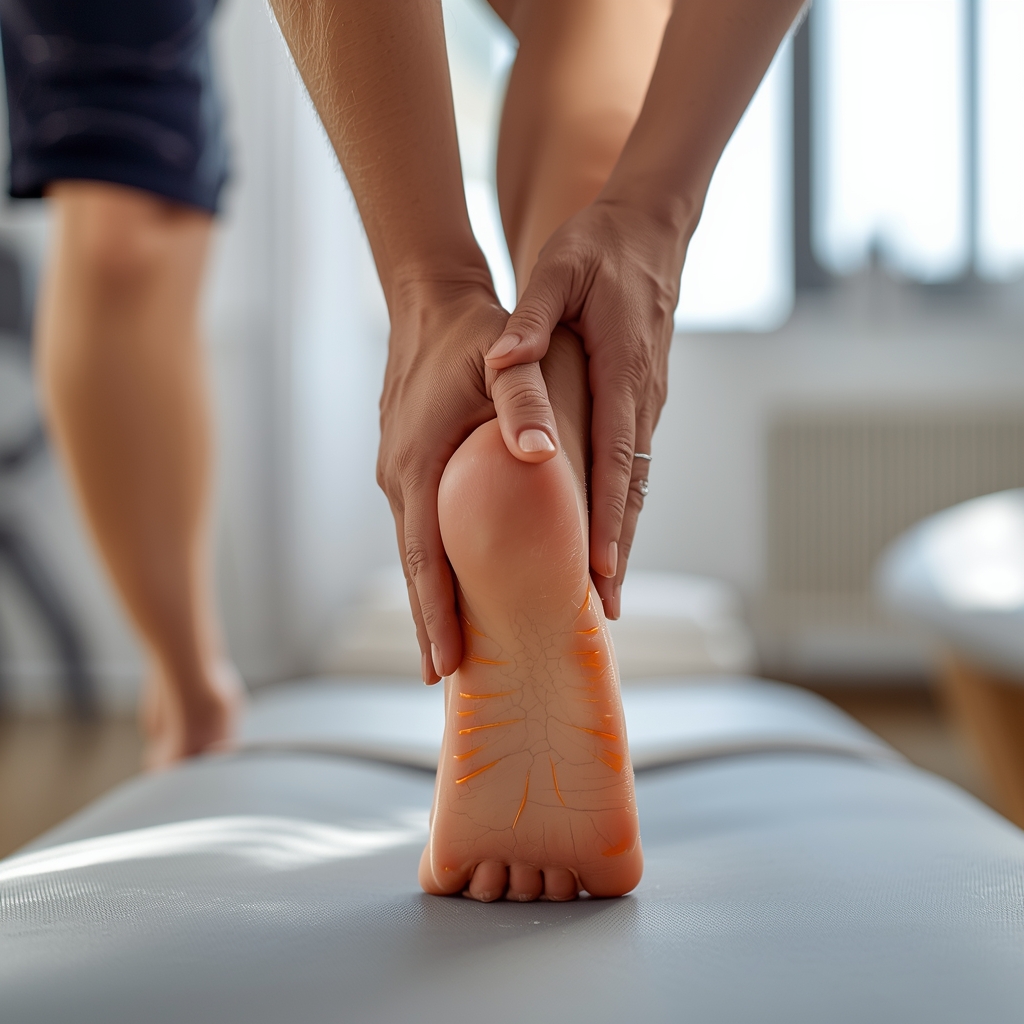
Understanding the Graston Technique
The Graston Technique is a form of instrument-assisted soft tissue mobilization that uses specialized tools to detect and treat areas of soft tissue restriction. These tools, typically made of stainless steel, are designed to glide over the skin and identify adhesions, scar tissue, or muscle tightness. By applying controlled pressure, the technique aims to break down these restrictions, promoting blood flow and facilitating the body’s natural healing processes. It is often used for conditions involving fascial or muscular dysfunction, including chronic plantar fasciitis. Practitioners emphasize that the Graston Technique is part of a broader treatment plan, often combined with stretching, strengthening, and other therapeutic interventions.
Traditional Soft Tissue Mobilization
Traditional soft tissue mobilization (STM) involves manual techniques performed by a practitioner using their hands to manipulate muscles, tendons, and ligaments. This approach focuses on reducing pain, improving range of motion, and breaking up scar tissue through direct pressure, friction, or stretching. For chronic plantar fasciitis, STM may target the plantar fascia, calves, and surrounding structures to alleviate tension and promote recovery. Unlike the Graston Technique, STM relies entirely on the practitioner’s tactile feedback and does not involve external tools. It is often considered a more accessible option for patients who prefer non-invasive, hands-on care. Both methods aim to restore function but differ in their application and perceived effectiveness depending on individual patient needs.
Comparative Effectiveness in Chronic Plantar Fasciitis
Research on the effectiveness of the Graston Technique versus traditional STM for chronic plantar fasciitis remains limited, with mixed results. Some studies suggest that instrument-assisted techniques may offer greater precision in addressing deep tissue restrictions, potentially enhancing outcomes for stubborn cases. However, many practitioners note that both methods can be effective when tailored to the patient’s condition. Factors such as the severity of fascial adhesions, patient tolerance, and complementary therapies play a role in determining success. While the Graston Technique’s use of tools may provide a more consistent pressure application, traditional STM’s adaptability and personalization can also yield positive results. Patients are encouraged to discuss their options with a qualified provider to determine the best approach for their specific situation.
Patient Experience and Tolerability
Patient experiences with the Graston Technique and traditional STM can vary based on sensitivity, pain thresholds, and treatment goals. The Graston Technique may cause mild discomfort during sessions due to the pressure applied by the tools, but many patients report reduced pain over time. Traditional STM, while also potentially uncomfortable, often allows for more immediate adjustments in pressure based on the patient’s feedback. Both methods may require multiple sessions to achieve lasting benefits, and some individuals may prefer one approach over the other based on their comfort level. It is important to note that neither technique is a standalone solution and is typically part of a comprehensive care plan. Open communication with a healthcare provider ensures that the chosen method aligns with the patient’s needs and expectations.
Integration with Other Therapies
Both the Graston Technique and traditional STM are often integrated with other treatments to address chronic plantar fasciitis holistically. Stretching exercises, orthotic support, and footwear modifications are commonly recommended alongside these therapies to reduce strain on the plantar fascia. Physical therapy techniques, such as eccentric heel drops or massage, may also complement either approach. For example, the Graston Technique’s ability to target specific adhesions could enhance the effectiveness of stretching routines, while traditional STM’s manual adjustments might help prepare tissues for other interventions. A multidisciplinary strategy ensures that patients receive well-rounded care, addressing both the symptoms and underlying causes of their condition. A chiropractor or physical therapist can guide patients in combining these methods effectively.
When to Consider Each Approach
The choice between the Graston Technique and traditional soft tissue mobilization depends on individual factors, including the patient’s condition, preferences, and response to treatment. The Graston Technique may be particularly beneficial for patients with dense scar tissue or chronic restrictions that are difficult to address manually. Traditional STM, on the other hand, offers a more customizable experience, allowing practitioners to adjust techniques in real time. Patients should consider their comfort level, the availability of practitioners trained in each method, and their overall treatment goals. It is crucial to consult with a licensed chiropractor or healthcare provider to evaluate which approach aligns best with their needs. Ultimately, both techniques can play a role in managing chronic plantar fasciitis, but professional guidance is essential to ensure safe and effective outcomes.














