
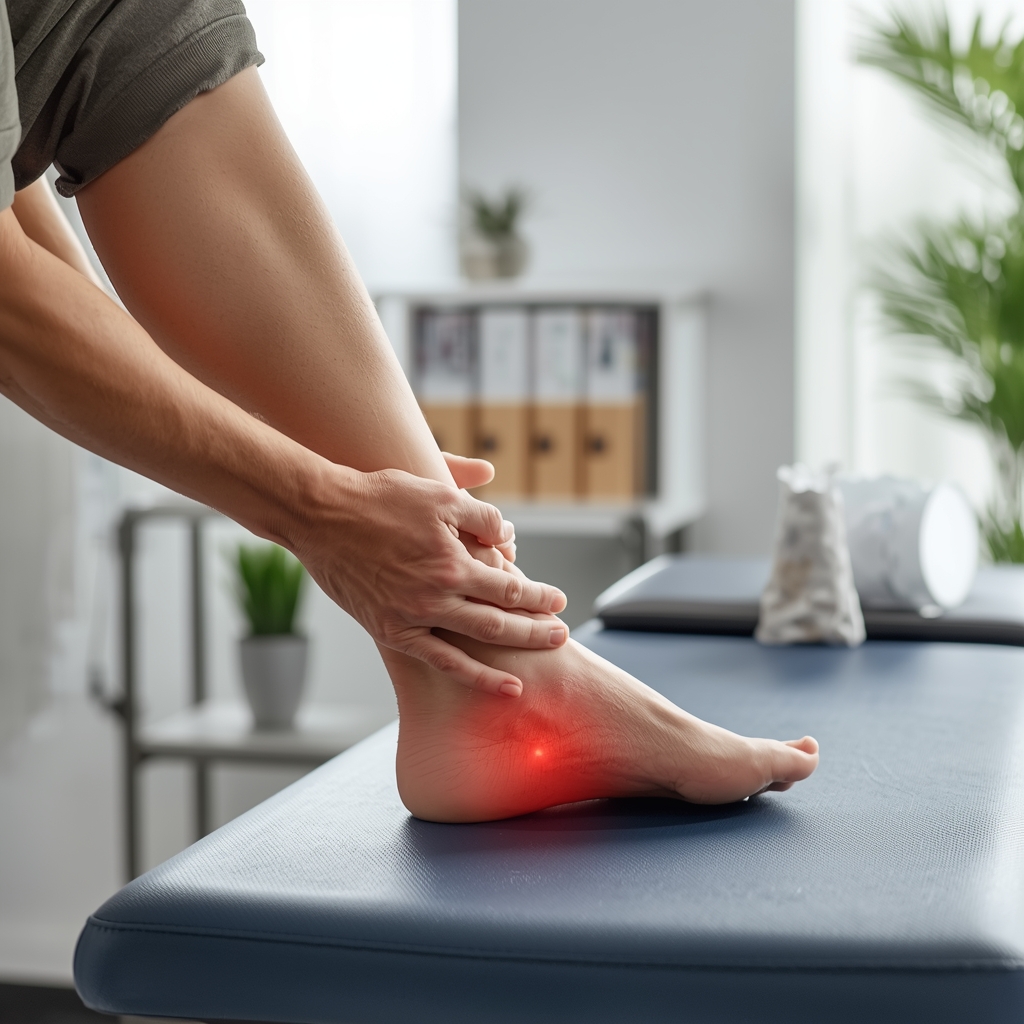
Introduction to Graston Technique and Soft Tissue Mobilization
Chronic plantar fasciitis, a common cause of heel pain, often requires targeted therapies to alleviate discomfort and restore function. Two approaches frequently used are the Graston Technique and soft tissue mobilization. The Graston Technique employs specialized instruments to detect and break down scar tissue, while soft tissue mobilization involves manual manipulation of muscles and connective tissues. Both aim to reduce inflammation, improve mobility, and promote healing. Understanding their differences and applications can help patients and practitioners choose the most suitable method. This article explores how these techniques compare in treating chronic plantar fasciitis, focusing on their mechanisms, effectiveness, and considerations.
What Is the Graston Technique?
The Graston Technique is a form of instrument-assisted soft tissue mobilization that uses uniquely designed stainless steel instruments to detect and treat areas of restricted movement. By gliding over the skin, the tools identify adhesions, scar tissue, and muscle tightness, allowing practitioners to apply precise pressure to break down these restrictions. This method is often used to address conditions like plantar fasciitis by targeting the fascia’s fibrotic areas. Proponents suggest it enhances blood flow, reduces pain, and accelerates recovery. However, its effectiveness can vary based on the practitioner’s skill and the patient’s condition. The technique is typically part of a broader treatment plan, combining manual therapy with exercises and lifestyle adjustments.
What Is Soft Tissue Mobilization?
Soft tissue mobilization (STM) is a hands-on therapy that involves manual techniques to manipulate muscles, tendons, and ligaments. Practitioners use their hands, fingers, or massage tools to apply pressure, stretch, and knead soft tissues, aiming to reduce pain, improve flexibility, and restore normal function. For plantar fasciitis, STM focuses on the heel and arch to relieve tension in the plantar fascia. This approach is versatile and can be tailored to individual needs, making it a popular choice for many patients. While STM relies on the therapist’s tactile feedback, it may lack the precision of instrument-assisted methods. Its effectiveness often depends on the practitioner’s experience and the patient’s commitment to follow-up care.
Comparing Effectiveness for Chronic Plantar Fasciitis
Both the Graston Technique and soft tissue mobilization aim to alleviate chronic plantar fasciitis by addressing soft tissue restrictions, but their approaches differ. The Graston Technique’s instruments may offer more consistent pressure and access to deeper tissues, potentially enhancing scar tissue breakdown. STM, on the other hand, allows for real-time adjustments based on the patient’s response. Some studies suggest that instrument-assisted techniques may provide faster relief for certain conditions, though evidence remains limited. General consensus highlights the importance of individualized care, as factors like pain tolerance, tissue density, and treatment goals influence outcomes. Both methods are often used alongside other therapies, such as stretching or orthotics, to maximize benefits.
Considerations and Potential Side Effects
When choosing between the Graston Technique and soft tissue mobilization, patients should consider factors like comfort, treatment duration, and potential side effects. The Graston Technique may cause temporary bruising or soreness due to its focused pressure, while STM is generally gentler but may require more sessions for similar results. Both methods are typically safe when performed by trained professionals, though improper technique can lead to discomfort. Patients with sensitive skin or underlying conditions should discuss options with a chiropractor. Ultimately, the decision depends on personal preferences, the practitioner’s expertise, and the specific needs of the condition being treated.
Conclusion and Next Steps
Both the Graston Technique and soft tissue mobilization offer valuable approaches to managing chronic plantar fasciitis, each with unique advantages. The Graston Technique’s instrument-assisted precision may benefit patients with dense scar tissue, while soft tissue mobilization provides a more adaptable, manual alternative. However, no single method works for everyone, and results often depend on a personalized treatment plan. Patients should consult a qualified chiropractor to evaluate their condition and determine the most appropriate strategy. By combining these therapies with other interventions, individuals can work toward long-term relief and improved mobility.














