
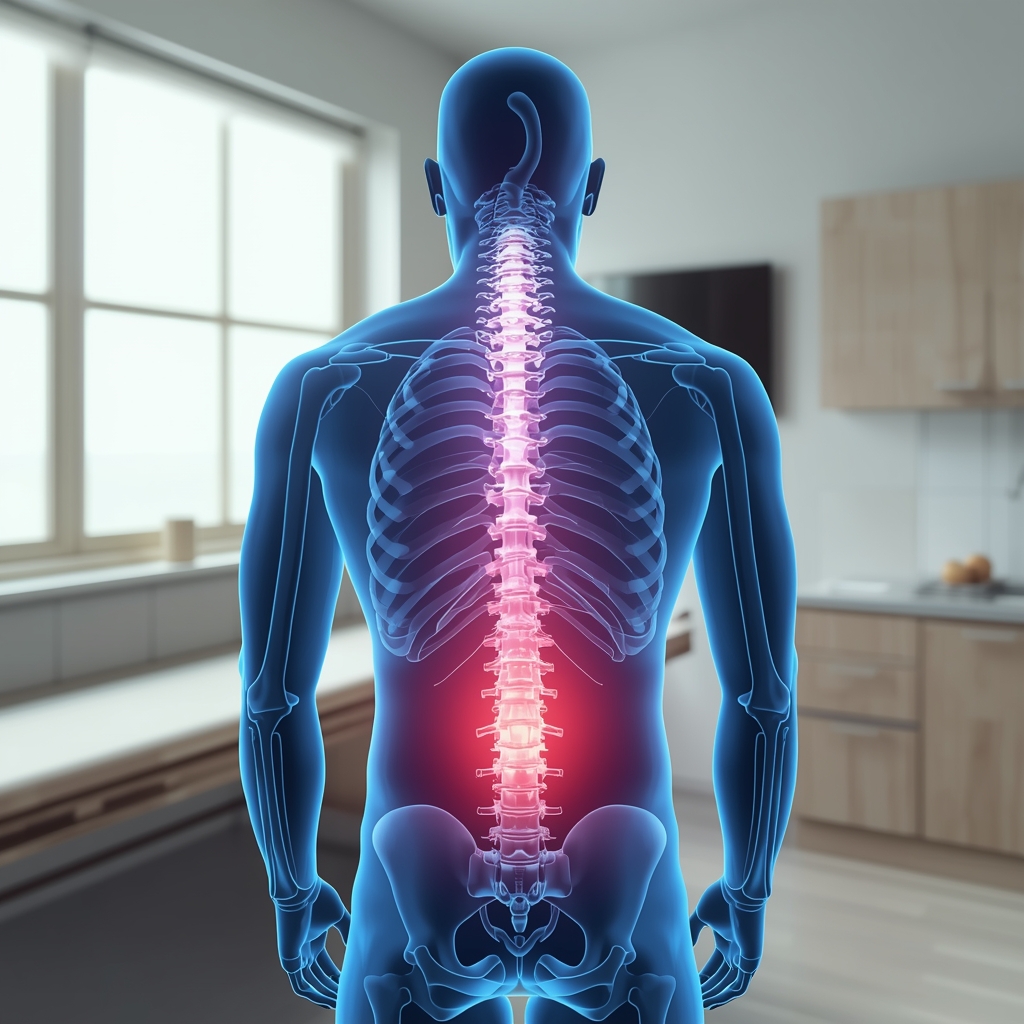
Understanding the Gut-Brain Axis and IBS
The gut-brain axis is a complex communication network linking the gastrointestinal tract and the central nervous system. This bidirectional pathway involves neural, hormonal, and immune signaling, influencing digestion, mood, and overall well-being. Irritable Bowel Syndrome (IBS) is a common functional disorder characterized by abdominal pain, bloating, and altered bowel habits. While its exact causes remain unclear, research suggests dysregulation in the gut-brain axis may play a role. Stress, gut microbiota imbalances, and immune responses are often implicated. Chiropractic care, focusing on spinal alignment and nervous system function, has sparked interest as a potential complementary approach for managing IBS symptoms. Understanding this connection requires exploring how spinal health might influence digestive processes and nervous system regulation.
The Nervous System’s Role in Digestive Health
The nervous system profoundly impacts digestive function through the enteric nervous system (ENS), often called the “second brain.” The ENS controls gut motility, secretion, and immune responses, communicating with the central nervous system via the vagus nerve. Disruptions in this communication—such as spinal misalignments or nerve compression—may contribute to digestive disturbances. For example, subluxations (spinal joint dysfunction) could theoretically interfere with nerve signals to the gut, altering bowel function. Chiropractic adjustments aim to restore proper spinal alignment, potentially improving nerve flow and supporting the body’s natural regulatory processes. This framework highlights the nervous system’s critical role in maintaining digestive health and the theoretical basis for chiropractic interventions in conditions like IBS.
Spinal Adjustments and Nervous System Regulation
Spinal adjustments, a cornerstone of chiropractic care, seek to correct vertebral subluxations that may impede nerve function. By restoring proper alignment, these adjustments may enhance communication between the brain and internal organs, including the gastrointestinal tract. The spine houses and protects the spinal cord, which serves as a primary pathway for nervous system signals. When misalignments occur, they could disrupt these signals, potentially affecting digestive motility and sensitivity. While the exact mechanisms remain under investigation, some theories suggest that adjustments may reduce inflammation, modulate stress responses, and improve autonomic nervous system balance. These effects could, in turn, support more stable digestive function in individuals with IBS, though further research is needed to confirm these hypotheses.
Potential Mechanisms Linking Chiropractic Care to IBS
Several theoretical pathways may explain how chiropractic care could influence IBS symptoms. One possibility is that spinal adjustments reduce mechanical stress on nerves, improving signaling to the gut and promoting balanced motility. Another angle involves the autonomic nervous system: chiropractic interventions might help shift the body from a stressed (sympathetic) state to a restorative (parasympathetic) state, which is crucial for digestion. Additionally, some researchers speculate that adjustments could influence gut microbiota through neural or hormonal pathways, though this remains speculative. Stress reduction is another factor, as chronic stress exacerbates IBS. By addressing spinal dysfunction, chiropractic care may indirectly support the body’s ability to manage stress and maintain digestive homeostasis. These mechanisms highlight the interconnectedness of spinal health and gastrointestinal function.
Current Research and Evidence
Research on chiropractic care for IBS is limited but growing. While large-scale clinical trials are scarce, some studies suggest that spinal adjustments may alleviate IBS symptoms by improving nervous system function. For instance, a small study published in the *Journal of Chiropractic Medicine* noted symptom improvements in IBS patients following chiropractic care, though results were not universally consistent. Other research points to the role of the vagus nerve in gut health, with chiropractic interventions potentially influencing its activity. However, these findings are preliminary, and more rigorous studies are needed to establish definitive links. It’s important to note that chiropractic care is not a substitute for standard IBS treatments, such as dietary changes or medication, but may serve as a complementary approach for some individuals.
Considerations for Patients and Practitioners
Patients considering chiropractic care for IBS should approach it as part of a holistic strategy, discussing options with healthcare providers. While chiropractic adjustments are generally safe when performed by licensed professionals, individual responses may vary. It’s crucial to seek care from a qualified chiropractor experienced in functional or integrative approaches. Open communication with both chiropractic and medical practitioners ensures a coordinated plan that addresses IBS from multiple angles. Patients should also remain cautious of unproven claims and prioritize evidence-based practices. Ultimately, chiropractic care may offer supportive benefits for some, but its role in managing IBS requires further scientific exploration and personalized evaluation by healthcare experts.












