
Understanding Opioid-Induced Constipation and Chiropractic Care
Opioid-induced constipation (OIC) is a common side effect of long-term opioid use, affecting up to 90% of patients. It occurs because opioids slow gastrointestinal motility, leading to discomfort and reduced quality of life. While medication adjustments are often necessary, chiropractic care offers a drug-free alternative by addressing musculoskeletal and nervous system factors that may contribute to digestive dysfunction. Chiropractors focus on spinal alignment, nerve function, and soft tissue health, which can indirectly support bowel regularity. This article explores techniques that may help manage OIC in chronic pain patients, emphasizing collaboration with healthcare providers for comprehensive care.
Spinal Adjustments and Nervous System Function
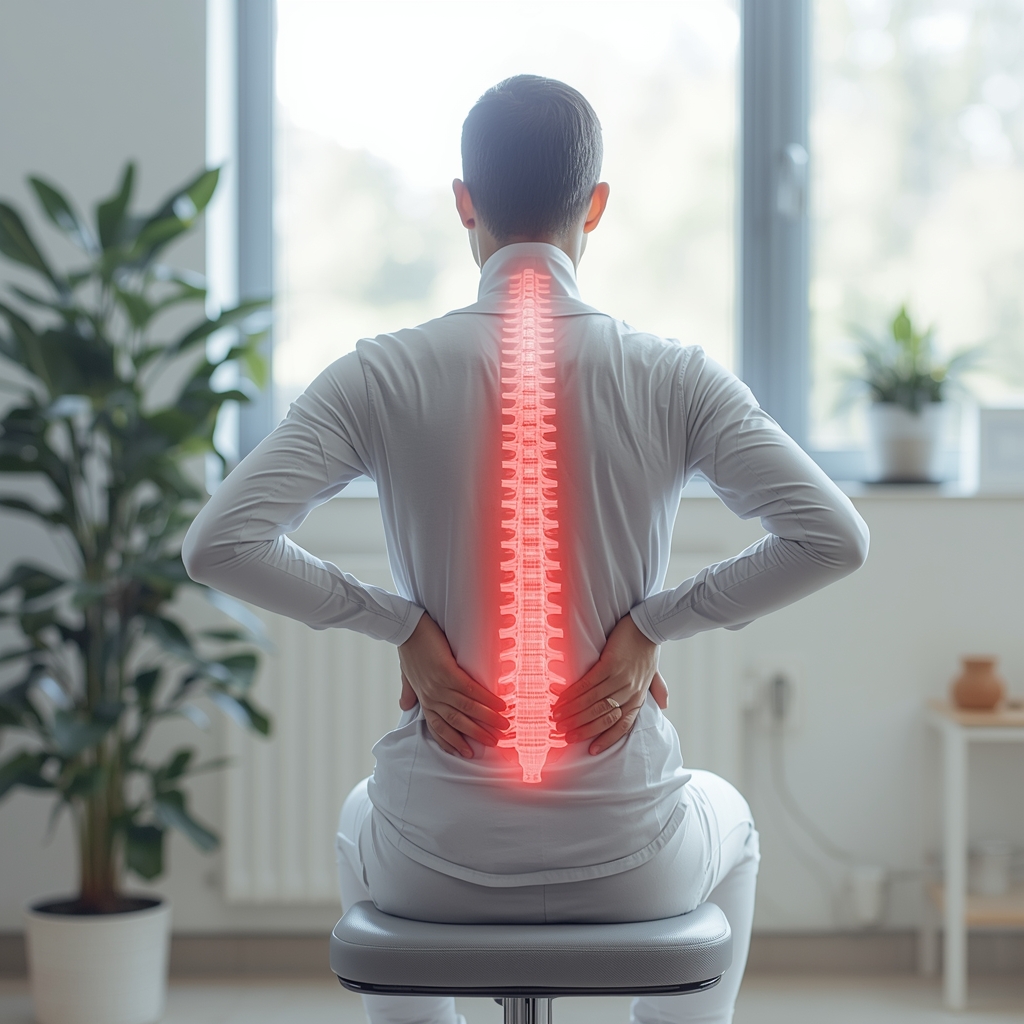
The spine plays a critical role in regulating bodily functions through the nervous system. Misalignments, or subluxations, can disrupt nerve signals to the digestive tract, potentially worsening constipation. Spinal adjustments aim to restore proper alignment, improving communication between the brain and internal organs. While research on this specific link is limited, many chiropractors observe that patients report improved bowel movements after adjustments. This approach aligns with the broader goal of opioid alternatives: reducing reliance on medications by addressing root causes. Patients should discuss their opioid use with a chiropractor to ensure adjustments are tailored to their needs.
Soft Tissue Therapies for Abdominal Relief
Soft tissue therapies, such as myofascial release and trigger point therapy, target tension in the muscles surrounding the abdomen and pelvis. Chronic pain and opioid use can lead to muscular tightness, which may impede digestive function. By releasing these restrictions, chiropractors can help improve blood flow and nerve signaling to the gastrointestinal system. Techniques like instrument-assisted soft tissue mobilization (IASTM) are often used to break down scar tissue and adhesions. While not a standalone solution, these methods may complement other strategies for managing OIC. Patients should consult their chiropractor to determine if soft tissue work is appropriate for their condition.
Postural Corrections and Core Strengthening
Poor posture, common in individuals with chronic pain, can compress the abdomen and hinder bowel movements. Chiropractors may address this through postural realignment and core-strengthening exercises. Correcting spinal curvature and improving posture can alleviate pressure on the digestive organs, promoting natural peristalsis. Core stability exercises, such as pelvic tilts or gentle yoga, may also support digestive health. These approaches emphasize movement and body awareness, which are central to drug-free pain management. However, patients should work with a qualified provider to avoid overexertion, especially if they have spinal or musculoskeletal limitations.
Integrative Approaches to Digestive Health
Chiropractic care often works best when combined with other holistic strategies. For OIC, this might include dietary modifications, hydration, and stress management techniques. Chiropractors may recommend fiber-rich foods, probiotics, or herbal supplements to support digestion. They may also address spinal nerve irritation that could contribute to gastrointestinal sluggishness. While these methods are not a substitute for medical treatment, they can enhance overall well-being. Patients should maintain open communication with their healthcare team to ensure all approaches are safe and coordinated, particularly when managing chronic pain and opioid use.
Consulting a Chiropractor for Personalized Care
Every patient’s experience with OIC and chronic pain is unique, making personalized care essential. A chiropractor can develop a tailored plan based on individual needs, considering factors like spinal health, lifestyle, and medication history. Regular assessments help track progress and adjust techniques as needed. It’s important to note that chiropractic care should not replace medical advice but rather serve as part of a multidisciplinary approach. Patients should discuss their opioid use openly with their chiropractor to ensure treatments are safe and effective. By combining chiropractic expertise with other strategies, individuals may find relief from OIC while reducing dependence on medications.











