
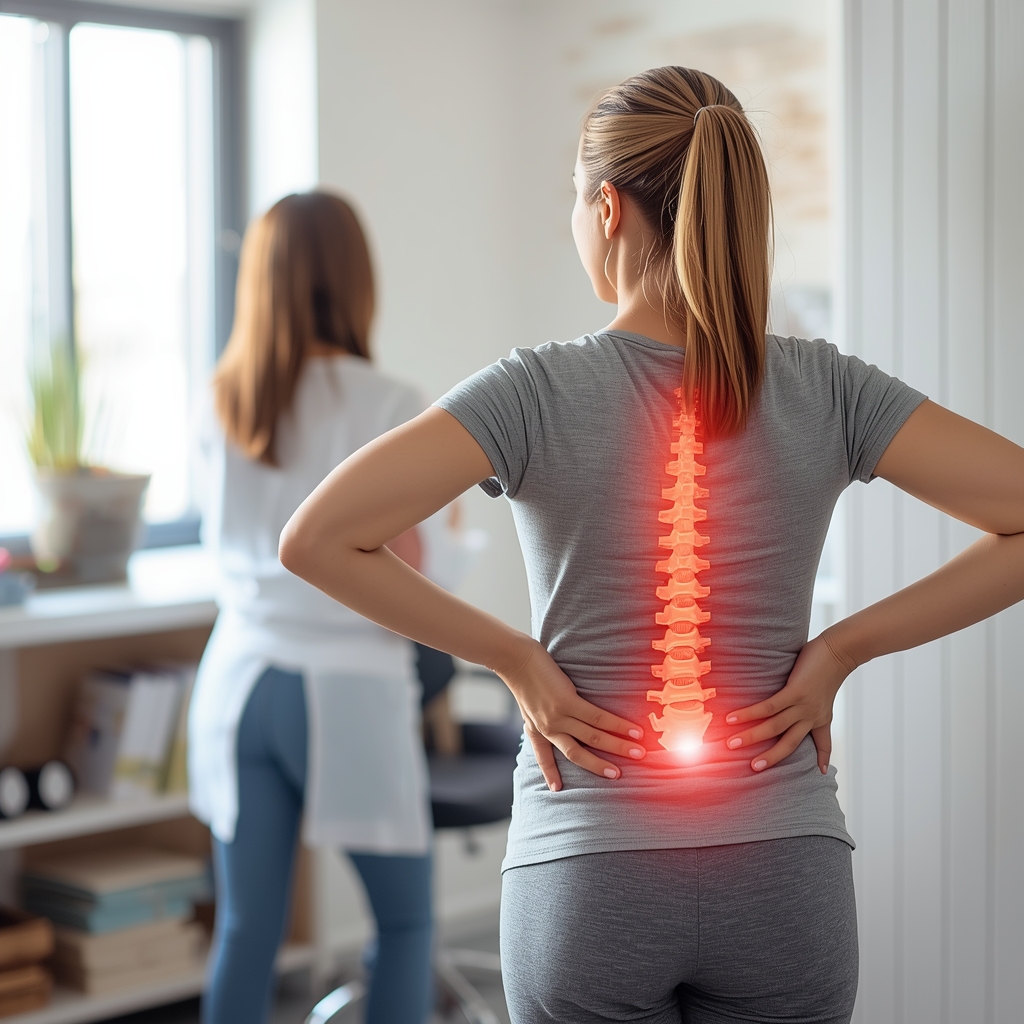
Understanding Lumbar Spinal Stenosis and Treatment Options
Lumbar spinal stenosis occurs when the spinal canal in the lower back narrows, compressing nerves and causing pain, numbness, or weakness. While surgery like spinal fusion is often considered, non-surgical approaches like chiropractic care remain underappreciated. Active adults, who prioritize mobility, may seek alternatives to invasive procedures. Chiropractic care focuses on spinal adjustments, soft tissue therapy, and lifestyle guidance to alleviate symptoms. This comparison explores how these options differ in safety, effectiveness, and long-term outcomes, helping patients make informed choices.
Chiropractic Care for Spinal Stenosis: Non-Surgical Approaches
Chiropractic care for lumbar spinal stenosis typically involves spinal adjustments to improve alignment, reduce pressure on nerves, and enhance mobility. Techniques like flexion-distraction or instrument-assisted adjustments may be used to gently widen the spinal canal. Soft tissue therapies, such as myofascial release, can ease muscle tension contributing to discomfort. Chiropractors also emphasize posture correction, exercise recommendations, and ergonomic adjustments to support long-term relief. These methods aim to address root causes rather than just masking symptoms, offering a non-invasive option for patients seeking to avoid surgery.
Spinal Fusion: A Surgical Solution with Considerations
Spinal fusion is a surgical procedure that joins two or more vertebrae to stabilize the spine, often recommended for severe spinal stenosis. While it can provide lasting relief by eliminating painful motion, the procedure involves risks like infection, nerve damage, and prolonged recovery. Patients typically require several months to heal, during which activity is restricted. Additionally, fusion may alter biomechanics in adjacent spinal segments, potentially leading to future complications. This approach is usually reserved for cases where conservative treatments fail, making it a significant decision with long-term implications.
Comparing Effectiveness and Risks of Both Approaches
Research on spinal stenosis treatments shows mixed results. Some studies suggest spinal fusion offers rapid symptom relief for severe cases, while others highlight comparable outcomes between surgery and non-surgical care over time. Chiropractic care, though less studied, is associated with fewer risks and shorter recovery periods. However, its effectiveness can vary based on condition severity and patient adherence. Both options carry trade-offs: surgery may provide definitive solutions but with higher risks, while chiropractic offers a safer, gradual approach but may not resolve all cases. Patients should weigh these factors with a healthcare provider.
Long-Term Outcomes and Patient Preferences
Long-term outcomes depend on individual factors, including stenosis severity and overall health. Spinal fusion often provides stable, lasting relief but may limit spinal flexibility. Chiropractic care can maintain mobility and delay surgery, though results vary. Active adults may prefer non-surgical options to preserve movement and avoid surgical downtime. However, some patients prioritize immediate relief, even with surgical risks. Patient preferences, lifestyle, and medical advice play critical roles in decision-making. Regular follow-ups and a personalized plan are essential, regardless of the chosen path.
Making Informed Decisions About Spinal Care
Choosing between chiropractic care and spinal fusion requires understanding each option’s benefits and limitations. Active adults should consult with a chiropractor and spine specialist to evaluate their condition’s severity and goals. Non-surgical approaches may be ideal for managing symptoms and preserving mobility, while surgery might be necessary for advanced cases. Open communication with healthcare providers ensures decisions align with individual needs. By exploring all options, patients can select the most appropriate care plan to maintain quality of life and spinal health.















