
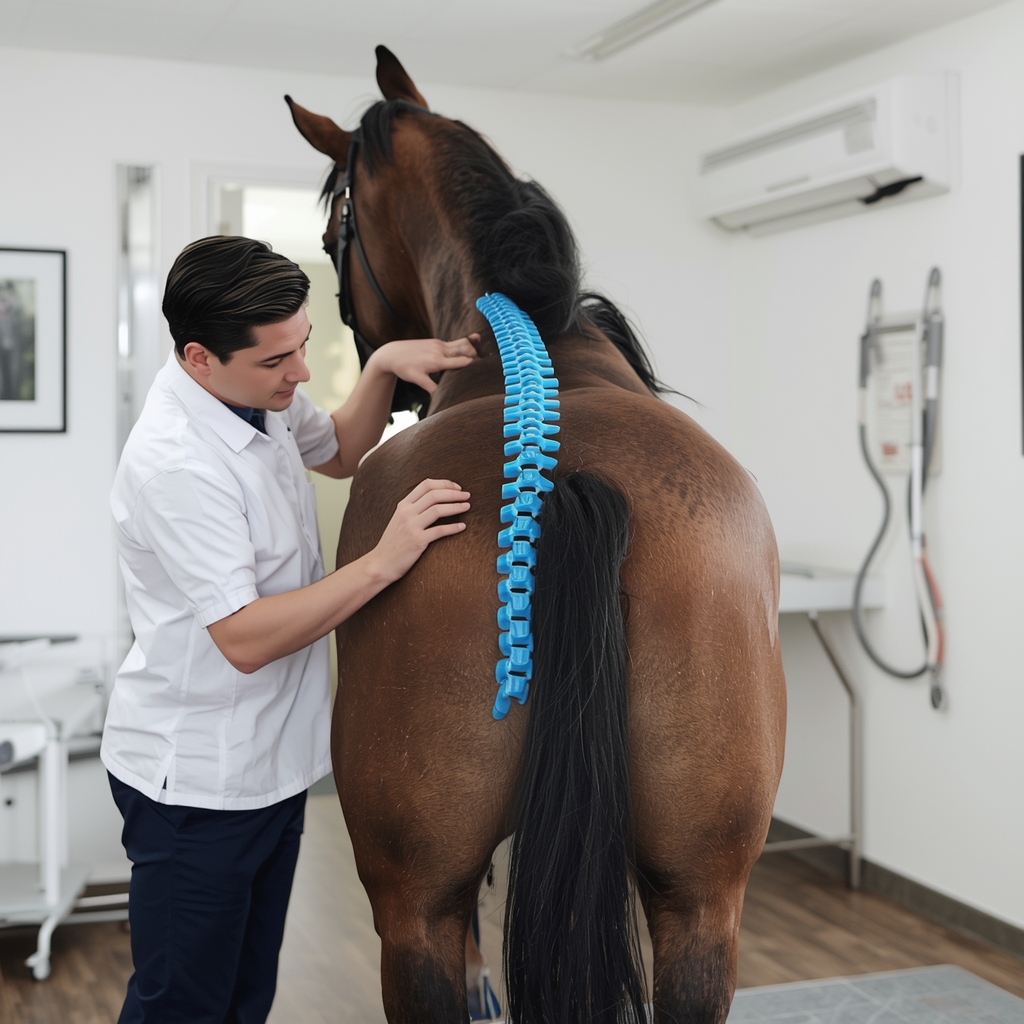
Understanding Animal Chiropractic for Horses
Animal chiropractic focuses on the musculoskeletal system, particularly the spine and joints, to enhance mobility and function in animals. For performance horses, this specialized care addresses issues arising from physical demands, such as uneven weight distribution, muscle imbalances, and joint stiffness. Chiropractors use manual adjustments to realign the spine, restoring proper nerve function and improving overall body mechanics. This approach complements traditional veterinary care by focusing on non-invasive, holistic solutions. Horses often show improved flexibility, reduced pain, and better performance outcomes after regular sessions. It is essential to work with a certified animal chiropractor who understands equine anatomy and behavior to ensure safe and effective treatments.
Common Musculoskeletal Issues in Performance Horses
Performance horses are prone to musculoskeletal challenges due to rigorous training and competition. Common issues include lameness, gait abnormalities, and joint stiffness, often stemming from repetitive strain or improper biomechanics. These problems can affect the horse’s balance, coordination, and comfort, potentially leading to long-term injuries. Spinal misalignments, or subluxations, are frequent culprits, disrupting nerve communication and impairing muscle function. Soft tissue injuries, such as strains or tendonitis, also occur, requiring targeted care. Early intervention is critical to prevent chronic conditions. Chiropractic care aims to identify and address these issues through precise adjustments, promoting natural healing and preventing further complications. Regular assessments help maintain optimal musculoskeletal health, ensuring the horse remains agile and pain-free.
Key Adjustment Techniques for Equine Patients
Chiropractors use a variety of techniques tailored to horses’ unique physiology. Manual adjustments involve applying controlled force to specific joints to restore mobility and alignment. Mobilization techniques gently move joints through their range of motion to improve flexibility. Soft tissue work, such as myofascial release, alleviates muscle tension and enhances blood flow. Some practitioners incorporate instruments or specialized tools for precise, low-force adjustments. These methods aim to reduce pain, improve joint function, and support the horse’s nervous system. Techniques are adapted to the horse’s size, temperament, and specific needs, ensuring comfort and effectiveness. A skilled chiropractor will assess the horse’s condition before selecting the most appropriate approach, prioritizing safety and minimal discomfort during sessions.
Benefits of Chiropractic Care for Performance Horses
Regular chiropractic care offers numerous advantages for performance horses, including enhanced mobility, reduced pain, and improved athletic performance. By correcting spinal misalignments, it supports optimal nerve function, allowing muscles and joints to work efficiently. Horses often exhibit better balance, coordination, and range of motion, which are critical for activities like jumping or racing. Pain relief from adjustments can also increase the horse’s willingness to perform and reduce the risk of compensatory injuries. Additionally, chiropractic care may complement other therapies, such as physical rehabilitation or acupuncture, for holistic wellness. Owners frequently report increased comfort and longevity in their horses’ careers. However, it is important to consult a qualified professional to determine the best care plan for each individual animal.
When to Seek Equine Chiropractic Services
Horse owners should consider chiropractic care if their animal shows signs of discomfort, such as reluctance to move, stiffness, or changes in gait. Performance decline, uneven weight distribution, or resistance during training may also indicate the need for an evaluation. Regular check-ups can help prevent issues before they escalate, especially for horses in active training. Chiropractic adjustments are often recommended alongside veterinary care for conditions like lameness or post-injury recovery. It is crucial to work with a certified animal chiropractor who has experience with equine patients to ensure proper diagnosis and treatment. Owners should communicate openly with their veterinarian to coordinate care and avoid potential conflicts with other medical treatments. Early intervention and consistent follow-ups are key to maintaining the horse’s musculoskeletal health and overall well-being.
Collaborating with Veterinarians and Trainers
Effective equine chiropractic care requires collaboration between chiropractors, veterinarians, and trainers to ensure comprehensive support for the horse. Veterinarians can provide medical diagnoses and rule out underlying conditions that may require additional treatment. Trainers offer insights into the horse’s performance and behavior, helping chiropractors tailor adjustments to the animal’s specific needs. This teamwork ensures that care plans address both physical and functional aspects of the horse’s health. Open communication among all parties helps track progress and make necessary adjustments to the treatment regimen. Owners should encourage this collaborative approach to maximize the benefits of chiropractic care. By integrating chiropractic services with traditional veterinary practices, horses can achieve better mobility, comfort, and performance outcomes.















