
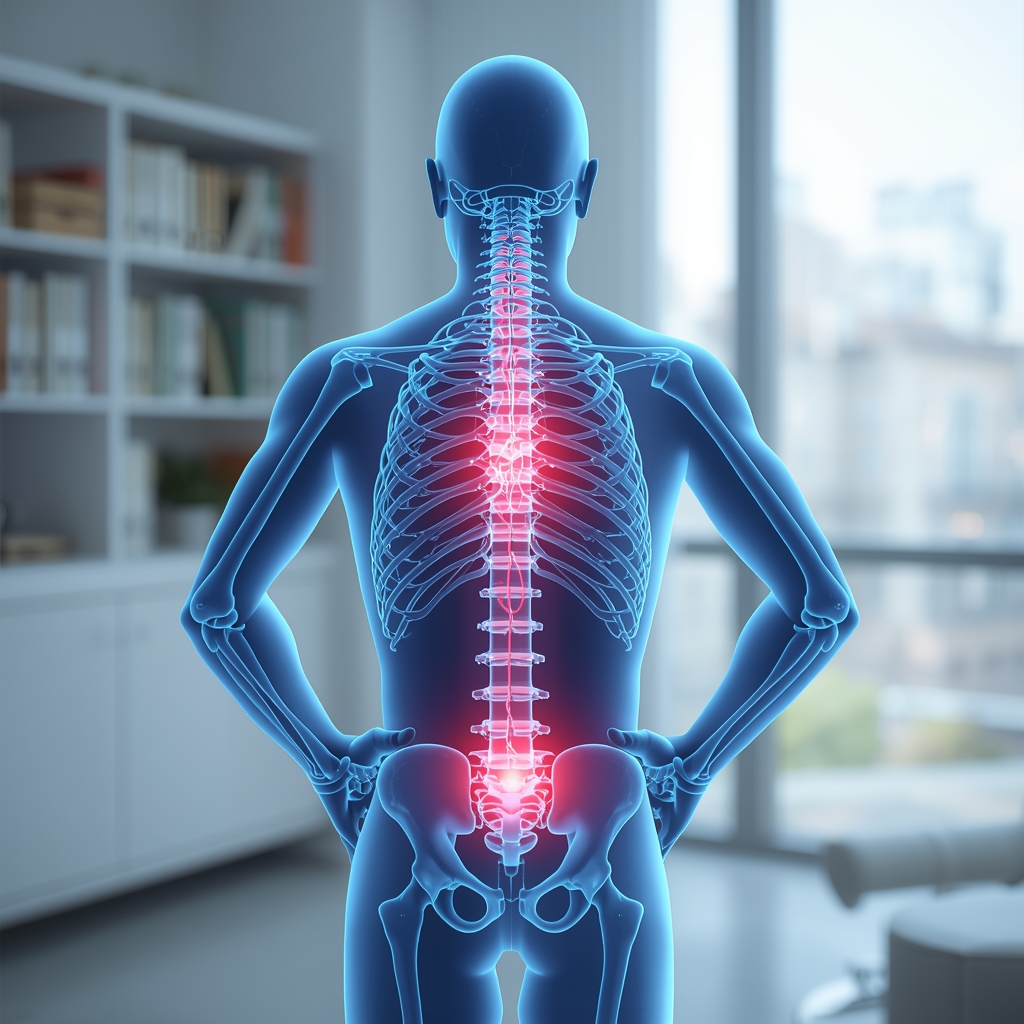
Understanding the Nervous System's Role in IBS
The nervous system plays a critical role in regulating digestive function, and disruptions in its communication with the gastrointestinal tract can contribute to conditions like irritable bowel syndrome (IBS). The enteric nervous system, often called the "second brain," governs gut motility and sensitivity. Chiropractic care focuses on optimizing spinal alignment and nervous system function, which may help alleviate IBS symptoms by reducing nerve interference and promoting homeostasis. While research on this specific connection is evolving, many practitioners observe that spinal adjustments can improve autonomic nervous system balance, potentially easing digestive distress. This approach emphasizes a holistic perspective, addressing the body’s interconnected systems rather than isolated symptoms.
Spinal Adjustments and Nervous System Optimization
Spinal adjustments, a cornerstone of chiropractic care, aim to correct vertebral subluxations—misalignments that may impede nervous system function. By restoring proper spinal mechanics, these adjustments can reduce pressure on nerves that innervate the digestive tract. For example, misalignments in the thoracic or lumbar spine might disrupt signals to the intestines, exacerbating IBS symptoms. Chiropractors often use techniques like the Gonstead method or diversified adjustment to target specific areas. While evidence is limited, anecdotal reports suggest that patients experience reduced bloating, gas, and pain after regular adjustments. This approach aligns with the principle that a well-aligned spine supports optimal nervous system communication, potentially improving digestive health.
Soft Tissue Techniques for Gut-Related Relief
In addition to spinal adjustments, soft tissue therapies like myofascial release and trigger point therapy can complement IBS treatment by addressing muscular tension that may affect digestion. The abdominal and pelvic muscles, when tight, can contribute to digestive discomfort, and techniques such as Active Release Technique (ART) may help alleviate this. By releasing restrictions in the fascia surrounding the intestines, these methods can enhance blood flow and nerve signaling. Chiropractors may also use massage therapy or instrument-assisted soft tissue mobilization to reduce inflammation and improve gut motility. While not a standalone solution, these approaches can support broader nervous system optimization, offering relief for IBS symptoms through physical and neurological pathways.
Neural Therapy and Nervous System Regulation
Neural therapy involves stimulating specific nerves or acupuncture points to modulate the autonomic nervous system, which controls involuntary functions like digestion. Techniques such as dry needling or low-level laser therapy may be used to reduce inflammation and restore balance. For IBS, this could mean targeting the vagus nerve, which plays a key role in gut-brain communication. By enhancing parasympathetic activity, neural therapy may promote relaxation and improve bowel function. While more research is needed, some patients report symptom improvement after these interventions. Chiropractors often integrate neural therapy with other modalities, emphasizing a personalized approach to address the complex interplay between the nervous system and digestive health.
Lifestyle and Holistic Integration
Chiropractic care for IBS is most effective when combined with lifestyle modifications that support nervous system and digestive health. Stress management, dietary changes, and regular physical activity can enhance the benefits of spinal adjustments and soft tissue work. For instance, mindfulness practices like yoga or meditation may reduce sympathetic nervous system overactivity, which can worsen IBS symptoms. Chiropractors often guide patients on ergonomics, sleep hygiene, and nutritional strategies to create a supportive environment for healing. This integrative approach recognizes that IBS is influenced by multiple factors, and addressing them collectively can lead to more sustainable relief. Patients are encouraged to work closely with their chiropractor to develop a comprehensive plan tailored to their needs.
Consulting a Qualified Professional
While chiropractic techniques may offer relief for IBS symptoms, it is essential to consult a licensed chiropractor with experience in nervous system and digestive health. Each patient’s condition is unique, and a personalized assessment is crucial to determine the most appropriate interventions. Chiropractors may combine spinal adjustments, soft tissue work, and lifestyle guidance to address the root causes of IBS. It is important to note that chiropractic care should complement, not replace, conventional medical treatments. Open communication with healthcare providers ensures a coordinated approach to managing IBS. Patients should also be aware of the potential risks and benefits of any treatment and make informed decisions based on their individual circumstances.














