
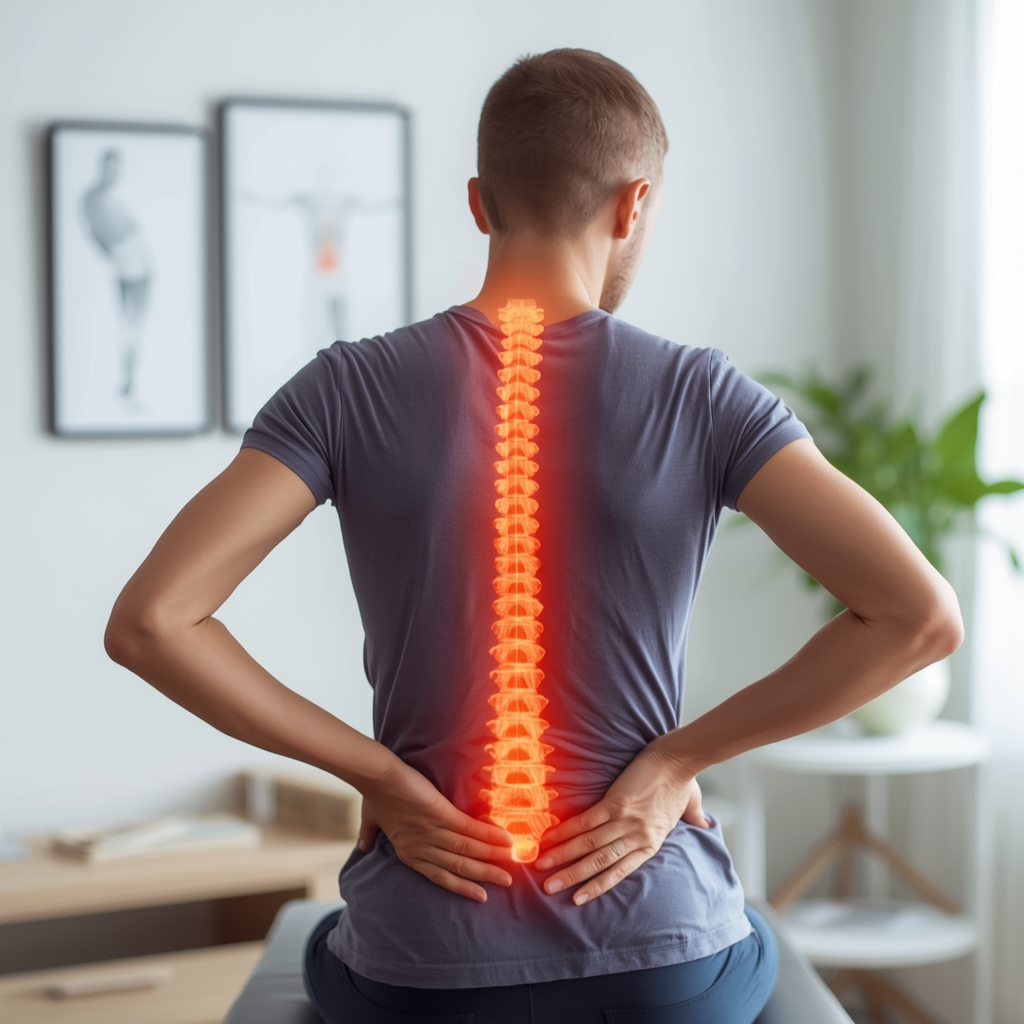
Understanding Myofascial Restrictions in the Lower Back
Myofascial restrictions refer to tight, restricted areas in the fascia—the connective tissue surrounding muscles—that can cause pain, stiffness, and reduced mobility. In the lower back, these restrictions often develop due to repetitive strain, poor posture, or injury. The fascia can become adhered or scarred, limiting muscle function and compressing nerves or blood vessels. This can lead to chronic discomfort, difficulty moving, or radiating pain. While rest and stretching may offer temporary relief, targeted interventions are often needed to address the root cause. Active Release Technique (ART) is one such approach, designed to identify and resolve these restrictions through precise, hands-on manipulation. By focusing on the specific areas of restriction, ART aims to restore normal tissue function and alleviate symptoms without invasive procedures.
How ART Targets Lower Back Myofascial Restrictions
Active Release Technique (ART) is a soft tissue therapy that involves the practitioner applying pressure while the patient actively moves the affected area. In the context of lower back myofascial restrictions, the chiropractor identifies the specific muscles or fascial layers involved—such as the erector spinae, quadratus lumborum, or iliopsoas. By isolating these tissues, the practitioner can apply targeted pressure to break up adhesions and restore elasticity. This process helps release tension, improve blood flow, and reduce inflammation. ART is particularly effective for lower back pain because it addresses both the muscular and fascial components of the issue. Unlike passive treatments, ART engages the patient’s movement to enhance the therapeutic effect, ensuring that the treated tissues regain their natural range of motion and function.
The Mechanisms Behind ART’s Effectiveness
ART works by manipulating the neuromuscular system to break down scar tissue and restore proper function. When myofascial restrictions form, they can disrupt the normal sliding motion between muscle fibers and fascia, leading to pain and dysfunction. During an ART session, the chiropractor uses their hands to apply tension to the affected area while guiding the patient through specific movements. This combination of pressure and motion helps separate adhesed tissues, rehydrate the fascia, and stimulate the body’s natural healing processes. The technique also promotes increased circulation, which can accelerate recovery and reduce swelling. By addressing the mechanical and physiological aspects of myofascial restrictions, ART helps the body return to a state of balance. This approach is often used alongside other therapies to maximize outcomes, but it stands out for its precision and focus on soft tissue health.
Common Patient Outcomes With ART for Lower Back Pain
Patients undergoing Active Release Technique (ART) for lower back myofascial restrictions often report significant improvements in pain levels, mobility, and overall function. Many experience reduced stiffness and a greater range of motion, allowing for easier daily activities. Chronic lower back pain, which can be debilitating, may see noticeable relief as adhesions are broken down and tissue health improves. Some patients also note decreased muscle spasms and better posture, as the therapy helps realign the musculoskeletal system. While results vary depending on the severity of the condition and individual factors, many find that ART provides a non-invasive alternative to more aggressive treatments. It’s important to note that outcomes are typically seen after multiple sessions, as the body gradually responds to the therapy. Consistency and follow-up care are key to maintaining long-term benefits.
The ART Session Process for Lower Back Restrictions
A typical ART session for lower back myofascial restrictions begins with a thorough assessment to identify the specific areas of tension or adhesion. The chiropractor may use palpation and movement tests to pinpoint the affected tissues. Once the target areas are determined, the practitioner applies precise pressure while guiding the patient through controlled movements. This active component is crucial, as it helps the tissues release and restructure properly. The process may involve repeated motions to ensure the adhesions are fully addressed. Patients might feel some discomfort during the session, but it should remain within tolerable limits. After the session, the chiropractor may recommend stretching or exercises to reinforce the treatment’s effects. Follow-up appointments are often necessary to monitor progress and adjust the approach as needed. This structured, hands-on method ensures that the therapy is tailored to the patient’s unique condition.
Considerations and Next Steps
While Active Release Technique (ART) can be highly effective for lower back myofascial restrictions, it’s essential to approach it as part of a comprehensive care plan. Individual results may vary, and factors such as the duration of the condition, overall health, and adherence to follow-up care can influence outcomes. Patients should discuss their medical history and any existing conditions with their chiropractor to ensure ART is a suitable option. It’s also important to recognize that ART is not a one-size-fits-all solution; some individuals may benefit more from complementary therapies like massage or physical therapy. Open communication with a qualified provider is key to determining the best course of action. For those experiencing persistent lower back pain, seeking a professional evaluation can help identify whether ART or other treatments are appropriate. By working collaboratively with a chiropractor, patients can make informed decisions about their care and work toward long-term relief.















