
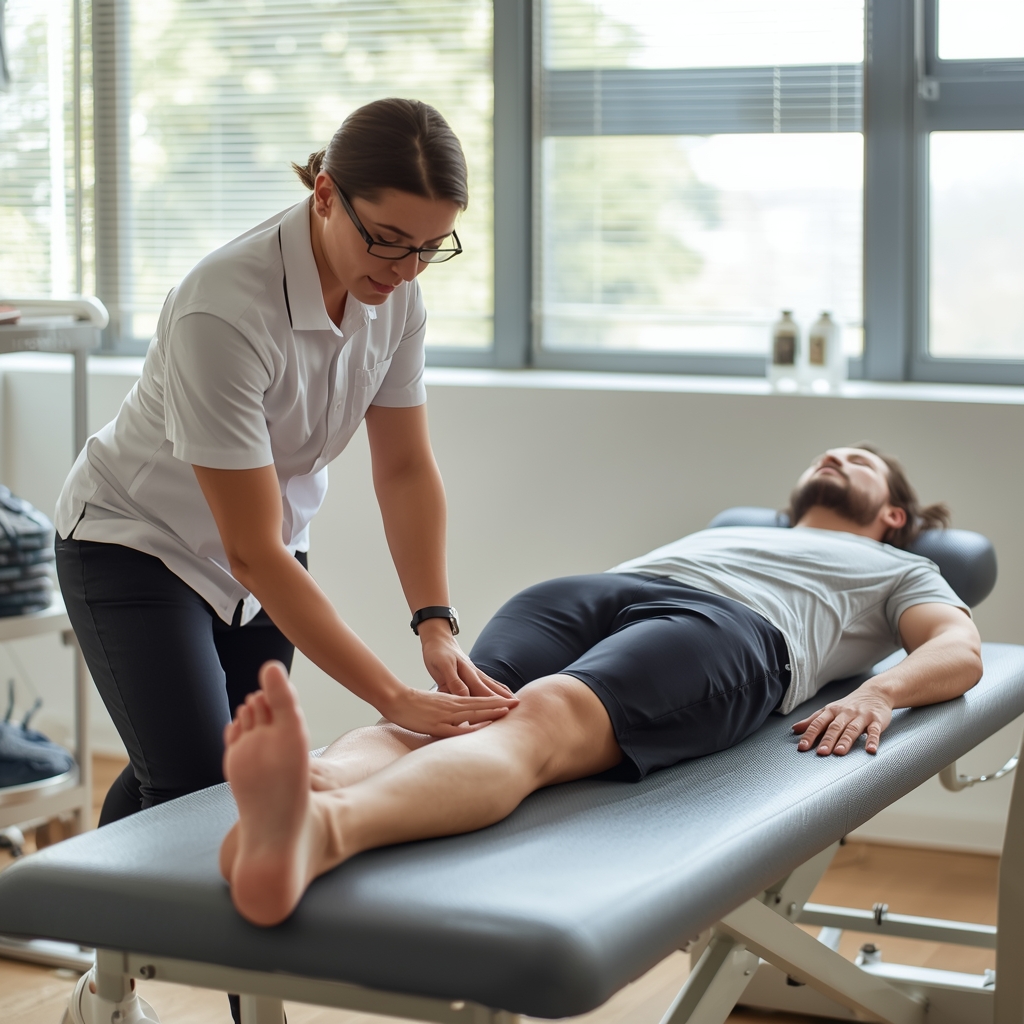
Understanding Myofascial Restrictions in Chronic Plantar Fasciitis
Myofascial restrictions occur when the connective tissue surrounding muscles—known as fascia—becomes tight, restricted, or develops adhesions. In chronic plantar fasciitis, these restrictions often form in the plantar fascia, a thick band of tissue running along the bottom of the foot. Over time, repetitive strain, poor biomechanics, or inadequate healing can lead to microtears and scar tissue buildup, exacerbating pain and limiting mobility. These restrictions may also affect surrounding muscles, such as the calf and foot intrinsic muscles, creating a cycle of discomfort and dysfunction. Understanding this mechanism is critical for addressing the root cause of chronic symptoms rather than just managing pain.
How Active Release Technique (ART) Works
Active Release Technique (ART) is a soft tissue therapy designed to identify and treat myofascial restrictions by combining examination and treatment. Practitioners use their hands to apply precise pressure while the patient actively moves the affected area, allowing the therapist to isolate and release adhesions. For plantar fasciitis, this might involve targeting the plantar fascia, Achilles tendon, and surrounding muscles. By breaking up scar tissue and restoring normal tissue glide, ART aims to reduce pain, improve flexibility, and enhance blood flow. This approach is often used alongside other therapies to address both the structural and functional aspects of chronic foot pain.
Targeting Specific Restrictions in the Foot and Ankle
In chronic plantar fasciitis, ART focuses on areas where fascial adhesions are most likely to form, such as the medial arch, heel, and posterior ankle. The technique involves assessing tissue texture, tension, and movement to identify restrictions. For example, a practitioner might apply pressure to the plantar fascia while the patient dorsiflexes their foot, creating a stretch that helps release tightness. This process can also address compensatory patterns in the lower leg, such as overactive calf muscles or weakened intrinsic foot muscles. By addressing these imbalances, ART helps restore natural movement patterns and reduce the strain on the plantar fascia.
Benefits of ART for Chronic Plantar Fasciitis
ART offers several potential benefits for patients with chronic plantar fasciitis, including reduced pain, improved range of motion, and faster recovery. By targeting myofascial restrictions directly, it can alleviate the stiffness and discomfort that often persist despite conventional treatments like stretching or orthotics. Many patients report increased flexibility and fewer flare-ups after consistent ART sessions. Additionally, the technique may enhance the effectiveness of other interventions, such as physical therapy or custom orthotics, by ensuring the soft tissues are mobile and functional. However, results can vary, and ART should be part of a comprehensive care plan tailored to the individual’s needs.
Integrating ART with Other Treatment Approaches
While ART can be highly effective, it is often most successful when combined with other therapies. For instance, stretching exercises for the calf and plantar fascia, along with strengthening routines for foot muscles, can complement ART by maintaining tissue flexibility. Orthotics or night splints may also be recommended to support the arch and prevent reoccurrence. Patients should work closely with a chiropractor or physical therapist to develop a personalized treatment plan. This integrative approach addresses both the immediate symptoms and underlying biomechanical issues, increasing the likelihood of long-term relief. Open communication with healthcare providers ensures that all interventions align with the patient’s goals and progress.
Consulting a Qualified Practitioner for ART
ART is a specialized technique that requires training and experience to perform effectively. Patients seeking treatment for chronic plantar fasciitis should consult a licensed chiropractor or healthcare provider who has completed ART certification. A qualified practitioner can assess the specific restrictions contributing to the condition and design a treatment plan that suits the patient’s needs. It is important to note that ART is not a one-size-fits-all solution and may need to be adjusted based on the patient’s response. As with any medical intervention, discussing potential risks, benefits, and expectations with a professional is essential. By working with an expert, patients can maximize the potential of ART to relieve chronic foot pain and improve overall function.













