
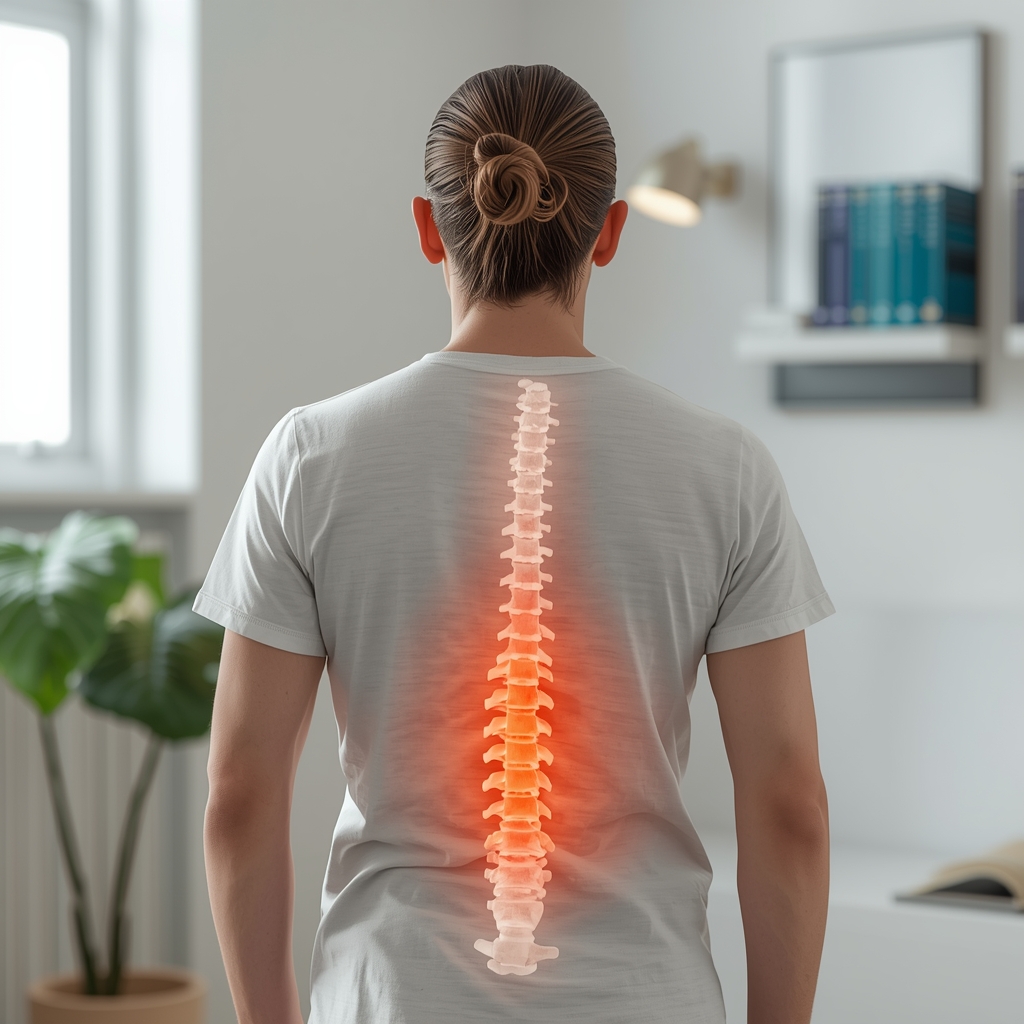
The Evolution of 'Structure Governs Function'
The chiropractic principle that 'structure governs function' originated in the late 19th century, emphasizing the spine's role in overall health. This philosophy posits that proper alignment of the musculoskeletal system enables optimal bodily function. In the 21st century, this foundational idea has been reinterpreted through modern scientific understanding. Chronic pain management now integrates this principle with advancements in biomechanics, neuroscience, and patient-centered care. While the core belief in spinal health remains, contemporary chiropractors apply it alongside evidence-based practices to address complex pain conditions. This evolution reflects a balance between tradition and innovation, ensuring the philosophy remains relevant in a rapidly changing healthcare landscape.
Modern Applications in Chronic Pain Care
Today, 'structure governs function' guides chiropractors in assessing and treating chronic pain by focusing on structural imbalances that may contribute to persistent discomfort. Techniques like spinal adjustments, soft tissue therapy, and rehabilitative exercises are used to restore alignment and mobility. For conditions such as lower back pain or neck pain, practitioners analyze how misalignments affect nerve function and muscle activity. This approach often complements other therapies, such as physical therapy or lifestyle modifications, to create comprehensive treatment plans. By prioritizing structural integrity, chiropractors aim to reduce pain, improve function, and enhance patients' quality of life. The philosophy remains central, even as methods evolve to meet modern clinical standards.
Integration with Scientific Research
Contemporary chiropractic care incorporates research to refine the application of 'structure governs function.' Studies on spinal mechanics, pain pathways, and neurophysiological responses inform how practitioners address chronic conditions. For example, evidence suggests that spinal adjustments may influence nervous system activity, potentially reducing pain signals. While direct causation is complex, this research supports the idea that structural interventions can impact functional outcomes. Chiropractors now use diagnostic tools like imaging and motion analysis to better understand individual patient needs. This data-driven approach strengthens the philosophy's relevance, ensuring treatments are both principled and grounded in current medical knowledge.
Technology and Diagnostic Advancements
21st-century chiropractic care leverages technology to enhance the application of 'structure governs function.' Tools such as digital X-rays, motion analysis systems, and electromyography help identify structural abnormalities with greater precision. These innovations allow practitioners to create tailored treatment plans that address specific dysfunctions. For chronic pain patients, this means more accurate diagnoses and targeted interventions. Additionally, telehealth platforms enable ongoing monitoring and adjustments to care strategies. While technology complements traditional methods, it does not replace the core philosophy. Instead, it empowers chiropractors to refine their approach, ensuring structural corrections align with modern clinical best practices.
Patient-Centered, Holistic Approaches
Modern chiropractors apply 'structure governs function' within a broader, patient-centered framework. Chronic pain management now often includes lifestyle guidance, ergonomic assessments, and stress reduction techniques. This holistic perspective recognizes that structural issues may interact with other factors, such as posture, activity levels, and mental health. By addressing these interconnected elements, chiropractors aim to create sustainable improvements in function and well-being. For example, a patient with chronic neck pain might receive adjustments alongside advice on posture correction and exercise. This evolution reflects a shift toward comprehensive care, where the philosophy of structure and function is integrated with other health disciplines to meet individual needs.
Future Directions and Ongoing Relevance
The principle of 'structure governs function' continues to shape chiropractic practice as the field adapts to new challenges. Research into chronic pain mechanisms and regenerative therapies may further refine how structural interventions are applied. Collaborations with other healthcare providers also expand the philosophy's impact, ensuring it aligns with broader medical trends. While the core idea remains unchanged, its application evolves to reflect advances in science and patient expectations. As chronic pain management becomes increasingly personalized, the emphasis on structural health will likely persist, offering a valuable complement to conventional treatments. This ongoing relevance underscores the enduring value of the philosophy in modern chiropractic care.












