
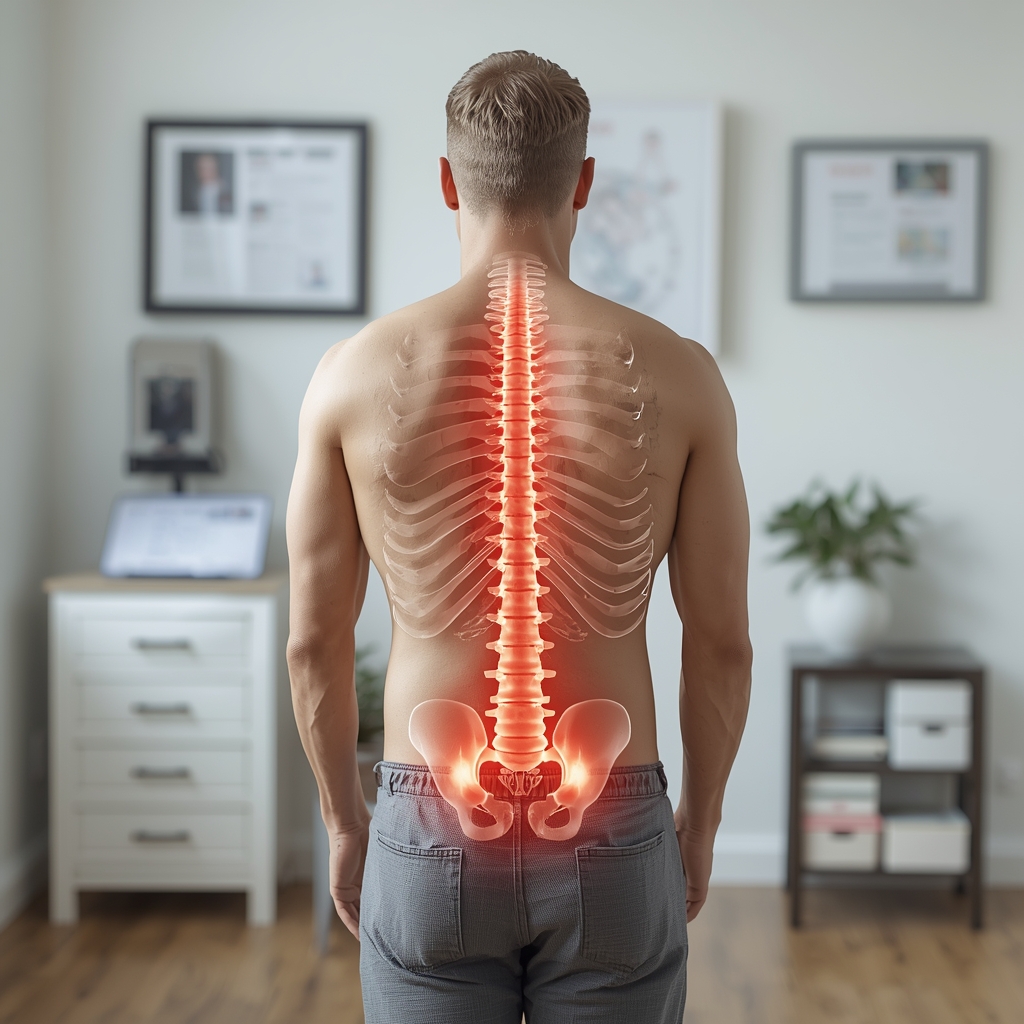
Understanding Sacroiliac Joint Dysfunction
Sacroiliac (SI) joint dysfunction refers to pain in the joint connecting the sacrum (base of the spine) to the pelvis. This condition often arises from abnormal movement, inflammation, or misalignment of the SI joint, leading to lower back, hip, or leg discomfort. Common causes include trauma, pregnancy, arthritis, or repetitive strain. Symptoms may range from localized pain to radiating sensations, impacting daily activities. While the exact prevalence varies, it is a recognized cause of lower back pain, affecting individuals across age groups. Understanding the distinction between treatment approaches—chiropractic adjustments and physical therapy—is crucial for informed decision-making. Both aim to alleviate pain and restore function but employ different methodologies. This article explores their differences, helping readers grasp how each might address SI joint dysfunction.
Chiropractic Adjustments for Sacroiliac Joint Dysfunction
Chiropractic adjustments focus on realigning the spine and joints to improve function and reduce pain. For SI joint dysfunction, chiropractors use manual techniques to correct misalignments, restoring proper biomechanics. These adjustments aim to relieve pressure on nerves, reduce inflammation, and enhance joint mobility. The process typically involves targeted thrusts or manipulations to the pelvis or lower back, often resulting in immediate symptom relief for some patients. Chiropractors may also incorporate soft tissue therapies or lifestyle advice to support long-term recovery. The approach emphasizes the body’s ability to heal itself when the musculoskeletal system is properly aligned. While many find adjustments beneficial, results can vary, and it is essential to consult a licensed chiropractor for personalized care. This method is often preferred for its non-invasive nature and focus on structural correction.
Physical Therapy Approaches
Physical therapy for SI joint dysfunction centers on strengthening muscles, improving flexibility, and correcting movement patterns. Therapists design customized exercise programs to stabilize the pelvis and reduce strain on the SI joint. These may include core strengthening, stretching, and low-impact aerobic activities. Manual therapy techniques, such as joint mobilization or soft tissue work, are also used to alleviate pain and improve function. Education on posture, ergonomics, and activity modification plays a key role in managing symptoms. Unlike chiropractic adjustments, physical therapy emphasizes long-term rehabilitation rather than immediate structural correction. It often requires consistent participation over weeks or months to achieve lasting results. This approach is particularly beneficial for patients seeking to build resilience and prevent future flare-ups. Physical therapists may collaborate with other healthcare providers to create a holistic treatment plan tailored to individual needs.
Comparing Techniques and Goals
Chiropractic adjustments and physical therapy differ in their primary techniques and objectives. Chiropractic care prioritizes spinal and joint realignment through manual manipulation, aiming to restore normal function and reduce nerve interference. Physical therapy, in contrast, focuses on strengthening muscles, improving flexibility, and educating patients on movement mechanics. While adjustments may offer rapid pain relief, physical therapy addresses underlying weaknesses or imbalances contributing to SI joint dysfunction. Chiropractors often target the spine and pelvis directly, whereas physical therapists may focus on surrounding musculature and posture. Both approaches can complement each other, with some patients benefiting from a combined strategy. The choice depends on individual preferences, symptom severity, and treatment goals. Understanding these differences helps patients and providers select the most appropriate method for their specific condition.
When to Choose Each Approach
The decision between chiropractic adjustments and physical therapy depends on various factors, including symptom severity, patient preferences, and treatment goals. Chiropractic care may be preferable for individuals seeking immediate pain relief or those with structural misalignments. It is often recommended for acute episodes or when joint mobility is compromised. Physical therapy, however, suits patients looking for long-term management through strengthening and education. It is particularly effective for chronic cases or when muscle weakness contributes to SI joint dysfunction. Some patients may benefit from a combination of both approaches, addressing both structural and functional aspects. Consulting a healthcare provider is essential to determine the best course of action. A chiropractor or physical therapist can evaluate the condition and recommend a tailored plan, ensuring safe and effective treatment.
Conclusion and Next Steps
Chiropractic adjustments and physical therapy offer distinct yet complementary approaches to managing sacroiliac joint dysfunction. Chiropractic care focuses on realigning the spine and joints, while physical therapy emphasizes strengthening and movement correction. Both methods can alleviate pain and improve function, but their techniques and goals differ. Patients should consider their specific needs, preferences, and the advice of qualified professionals when choosing a treatment path. Open communication with a healthcare provider is key to developing an effective plan. Whether opting for adjustments, therapy, or a combination, the goal is to restore mobility and enhance quality of life. Exploring these options with a licensed chiropractor or physical therapist ensures safe, informed decision-making tailored to individual circumstances.












