
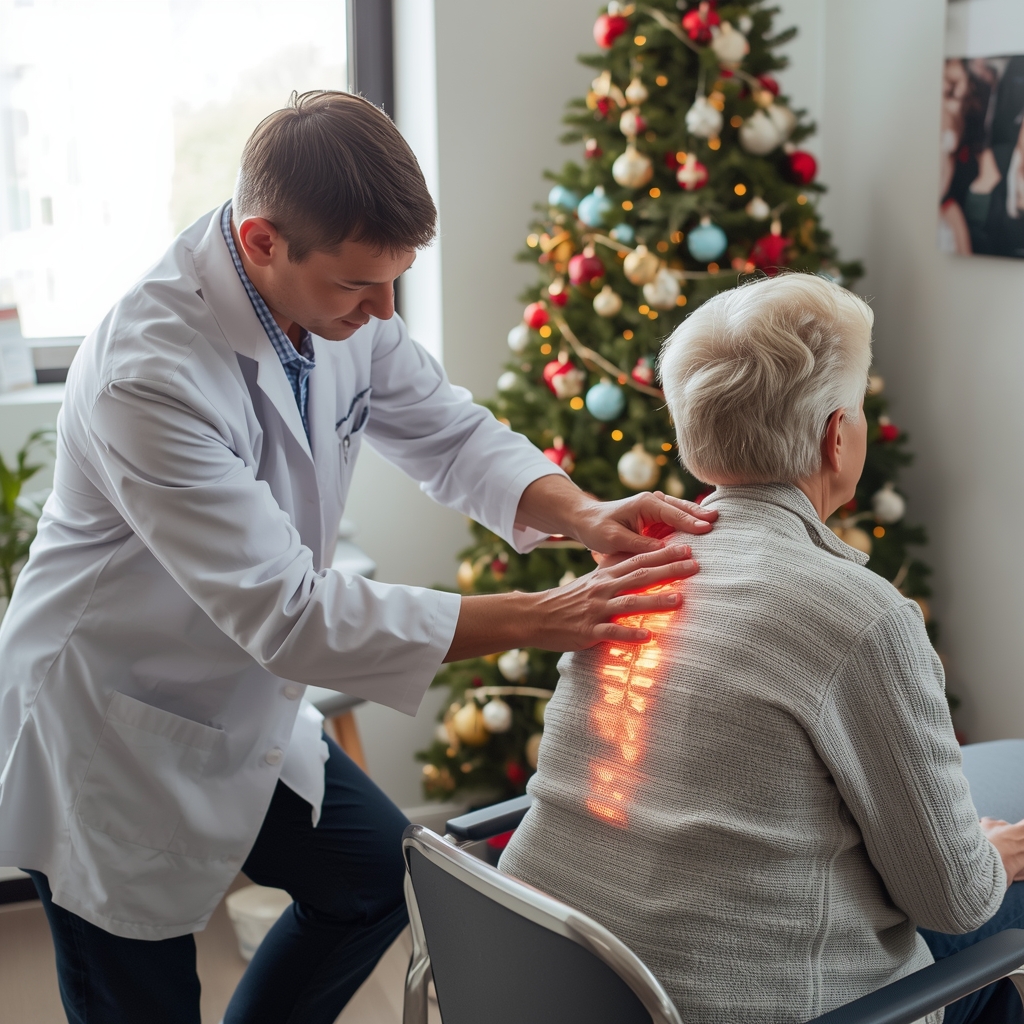
Understanding Seasonal Spinal Strain Risks for Elderly Patients
As the holiday season approaches, elderly patients face unique challenges that can increase their risk of spinal strain. Common activities like lifting heavy objects, prolonged sitting during travel, or navigating crowded spaces may lead to musculoskeletal discomfort. The aging spine is more susceptible to wear and tear, making even minor movements potentially problematic. Chiropractors play a critical role in addressing these risks by recognizing how seasonal changes and holiday-specific activities impact spinal health. By proactively assessing patients’ physical conditions, chiropractors can identify early signs of misalignment or instability. This awareness allows for tailored interventions that reduce the likelihood of injury. Understanding these risks helps both practitioners and patients prioritize preventive care, ensuring safer holiday experiences. Regular check-ups and personalized care plans become essential tools in mitigating seasonal strain, particularly for older adults who may have pre-existing conditions or reduced mobility.
Customizing Adjustments for Holiday-Related Stressors
Chiropractors can adapt their treatment approaches to address the specific stressors associated with the holiday season. For example, adjusting for postural changes caused by carrying groceries, decorating, or sitting for extended periods can help maintain spinal alignment. Elderly patients often experience increased stiffness during colder months, so incorporating gentle mobilization techniques can enhance flexibility and reduce strain. Chiropractors may also focus on strengthening core muscles through targeted exercises, which support the spine during daily activities. These adjustments are not one-size-fits-all; they require careful evaluation of each patient’s lifestyle and physical limitations. By tailoring care to individual needs, chiropractors can help patients navigate holiday demands without compromising their spinal health. This proactive approach not only prevents injuries but also promotes long-term musculoskeletal resilience, ensuring patients can enjoy the season with greater comfort and confidence.
Educating Patients on Safe Holiday Practices
Education is a cornerstone of preventive care, especially for elderly patients during the holidays. Chiropractors can guide patients on proper lifting techniques, such as bending at the knees and keeping objects close to the body, to minimize spinal strain. They can also advise on ergonomics for holiday gatherings, like adjusting seating to support good posture or using cushions for added comfort. Encouraging regular movement during long trips or events helps prevent stiffness and reduces the risk of sudden injuries. Additionally, chiropractors can recommend low-impact exercises, such as walking or stretching, to maintain mobility. By fostering awareness of these practices, patients are better equipped to protect their spines throughout the season. This knowledge empowers individuals to make informed decisions, reducing the likelihood of holiday-related discomfort and promoting a more active, pain-free lifestyle.
The Role of Regular Check-Ups During High-Risk Seasons
Regular chiropractic check-ups become even more critical during high-risk seasons like the holidays. These visits allow practitioners to monitor spinal health and address minor issues before they escalate into significant problems. For elderly patients, who may experience slower recovery times, early intervention is key to preventing prolonged discomfort. Chiropractors can use these appointments to assess changes in posture, mobility, or pain levels that may result from seasonal activities. They can also adjust treatment plans to accommodate new challenges, such as increased physical demands or environmental factors like colder temperatures. By maintaining consistent care, patients benefit from ongoing support that adapts to their evolving needs. This proactive strategy not only reduces the risk of holiday-related spinal strains but also reinforces a long-term commitment to musculoskeletal wellness, ensuring patients remain active and independent throughout the year.
Integrating Preventive Care into Seasonal Routines
Preventive care should be woven into the fabric of seasonal routines to effectively safeguard elderly patients’ spinal health. Chiropractors can collaborate with patients to create personalized plans that include regular adjustments, targeted exercises, and lifestyle modifications. For instance, incorporating daily stretches or short walks into holiday schedules can maintain flexibility and circulation. Practitioners may also recommend ergonomic tools, such as supportive chairs or posture aids, to reduce strain during common activities. By aligning care with seasonal patterns, chiropractors help patients build habits that sustain spinal health beyond the holidays. This integration ensures that preventive measures are not isolated events but ongoing practices that support long-term well-being. Through consistent communication and tailored guidance, chiropractors empower patients to take an active role in their health, fostering resilience against seasonal challenges.
Collaborating with Families and Caregivers for Holistic Support
Chiropractors can enhance their impact by involving families and caregivers in the care of elderly patients. Educating loved ones about the importance of spinal health during the holidays enables them to provide better support at home. For example, caregivers can assist with safe lifting techniques or remind patients to take regular breaks during physical tasks. Chiropractors may also share tips on creating a home environment that minimizes fall risks, such as improving lighting or removing tripping hazards. This collaborative approach ensures that patients receive consistent guidance across different settings. By fostering open communication with families, chiropractors help create a network of support that reinforces preventive care. This holistic strategy not only protects patients from holiday-related strains but also strengthens the overall well-being of the entire household, promoting a safer and more comfortable season for everyone involved.













