
Understanding Instrument-Assisted Soft Tissue Mobilization
Instrument-assisted soft tissue mobilization (IASTM) is a therapeutic technique used by chiropractors to address musculoskeletal pain and dysfunction. It involves the use of specialized tools to detect and treat areas of soft tissue restriction, such as scar tissue, adhesions, or muscle tightness. For sedentary office workers, prolonged sitting can lead to shortened hip flexors, weakened gluteal muscles, and compensatory postural imbalances. IASTM helps by breaking down these restrictions, improving circulation, and restoring normal movement patterns. While not a standalone solution, it is often integrated into broader treatment plans to enhance recovery. Chiropractors may use IASTM alongside adjustments, exercise recommendations, or ergonomic advice to address the root causes of hip pain.
Common Causes of Hip Pain in Sedentary Workers
Sedentary office workers frequently experience hip pain due to prolonged sitting, poor posture, and lack of movement. Sitting for extended periods can tighten the hip flexor muscles, compress the lower back, and strain the surrounding joints. This often leads to conditions like hip bursitis, piriformis syndrome, or iliopsoas tendinitis. Additionally, weakened core and gluteal muscles may force other muscles to compensate, creating imbalances that exacerbate discomfort. Without regular movement, soft tissues become stiff, and blood flow decreases, slowing the body’s natural healing processes. Chiropractors recognize these patterns and may use IASTM to target specific areas of tension, helping patients regain mobility and reduce pain without invasive interventions.
How IASTM Addresses Hip Pain
IASTM tools, such as stainless steel or plastic instruments, are used to apply controlled pressure to soft tissues, identifying and releasing adhesions or knots. For hip pain, chiropractors might focus on the iliotibial band, gluteal muscles, or hip flexors—common sites of restriction. The tools allow for precise manipulation, which can break up scar tissue and improve flexibility. This technique also stimulates blood flow, promoting faster healing and reducing inflammation. By addressing these soft tissue issues, IASTM can alleviate pain and restore range of motion. However, it is typically part of a multifaceted approach, combining with spinal adjustments, posture correction, or targeted exercises to ensure long-term relief. Patients often report reduced discomfort and improved function after consistent sessions.
Benefits of IASTM for Office Workers
For sedentary individuals, IASTM offers several advantages in managing hip pain. It provides a non-invasive way to address muscle tightness and joint stiffness without the need for medication or surgery. By improving tissue elasticity, IASTM can enhance mobility, making daily activities like standing, walking, or sitting more comfortable. It also helps reduce the risk of further injury by correcting biomechanical imbalances. Chiropractors may use IASTM to complement other therapies, such as ergonomic adjustments or corrective exercises, ensuring a holistic approach to care. Patients often find that regular sessions, combined with lifestyle modifications, lead to sustained pain relief. However, results vary, and it is essential to work with a qualified provider to tailor the treatment to individual needs.
Integrating IASTM into Chiropractic Care
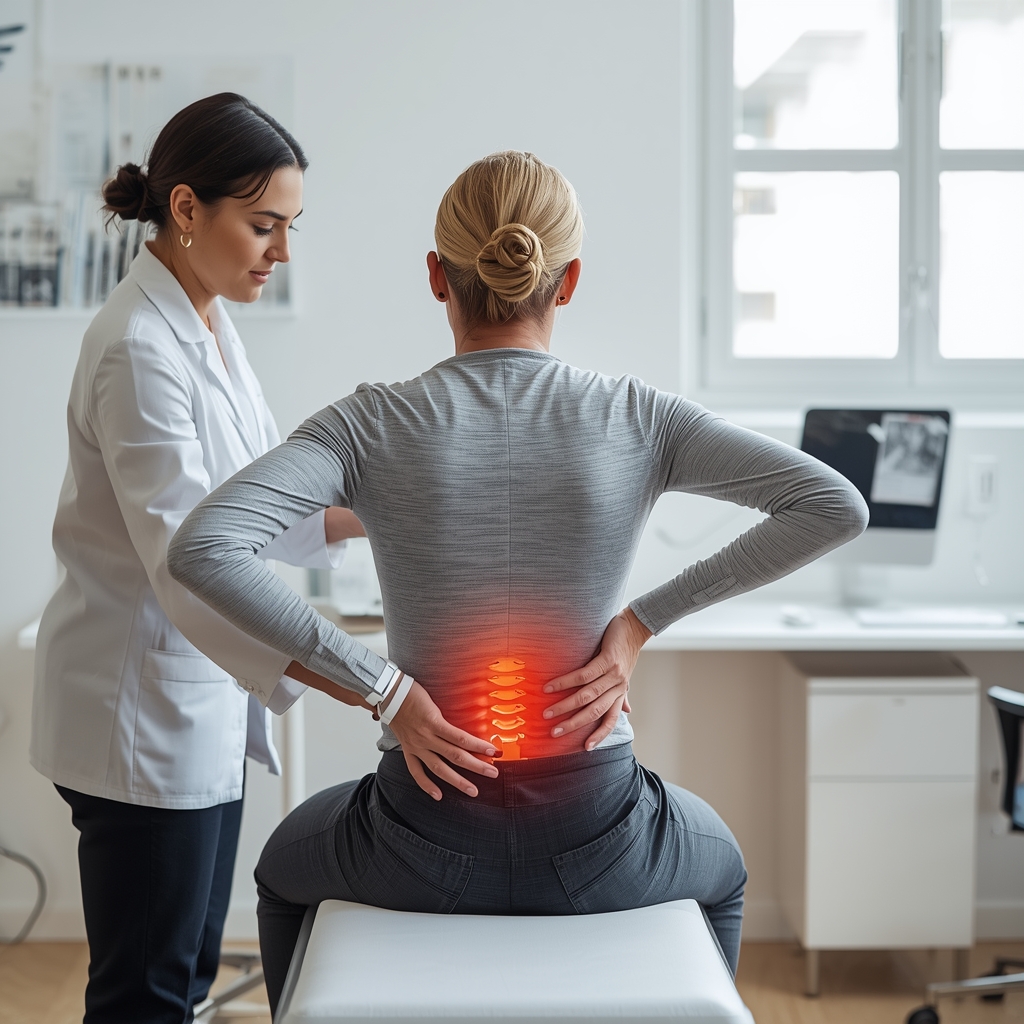
Chiropractors often incorporate IASTM into treatment plans for hip pain by first conducting a thorough assessment to identify the underlying causes. This may include evaluating posture, movement patterns, and muscle strength. Once the specific areas of restriction are identified, IASTM tools are used to target those regions, followed by spinal adjustments or other therapies to address related issues. For example, if hip pain stems from a misaligned pelvis, IASTM might be used to loosen tight muscles before realigning the spine. This integrated approach ensures that both soft tissue and structural issues are addressed. Chiropractors may also educate patients on self-care techniques, such as stretching or using foam rollers, to maintain progress between visits. The goal is to create a balanced, sustainable solution for long-term relief.
When to Consult a Chiropractor
If hip pain persists or worsens despite self-care efforts, it is advisable to consult a chiropractor for a professional evaluation. Sedentary office workers may not always recognize the connection between their posture, movement habits, and musculoskeletal pain. A chiropractor can identify contributing factors and determine if IASTM is an appropriate part of the treatment plan. It is important to note that IASTM should only be performed by trained professionals, as improper technique can cause further injury. Patients should discuss their symptoms, medical history, and goals with their provider to ensure a safe and effective approach. While IASTM can be highly beneficial, it is not a substitute for a comprehensive care plan that addresses the root causes of hip pain.













