
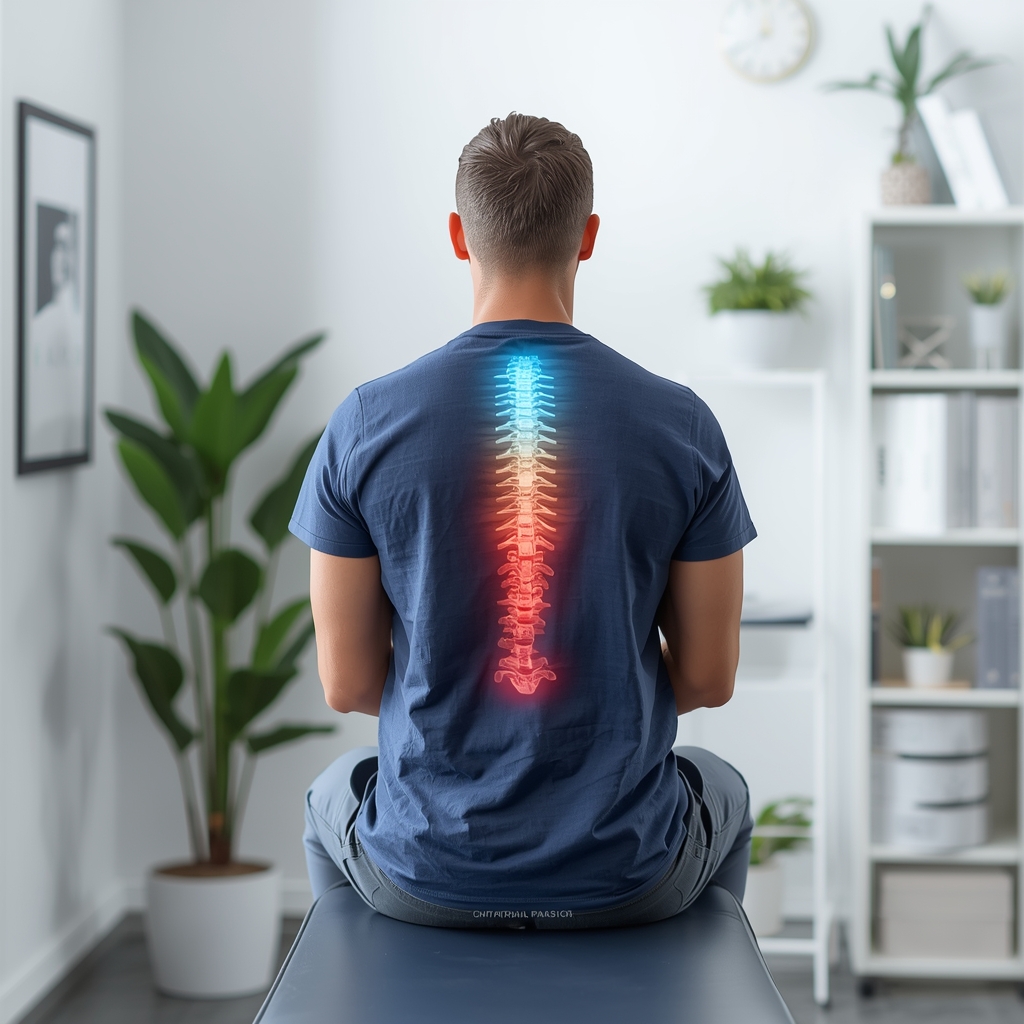
Understanding EMS and TENS in Post-Surgical Recovery
Electrical stimulation devices like EMS (Electrical Muscle Stimulation) and TENS (Transcutaneous Electrical Nerve Stimulation) play a growing role in post-surgical rehabilitation, particularly after spinal procedures. These tools use controlled electrical impulses to interact with the body’s neuromuscular system, offering potential benefits for muscle re-activation and tissue healing. While not a substitute for professional care, they are often used as adjuncts to traditional recovery methods. EMS targets muscle fibers directly, while TENS focuses on nerve pathways to manage pain. Both techniques aim to support the body’s natural healing processes, but their specific applications in spinal surgery recovery require careful consideration.
How EMS Promotes Muscle Re-Activation
After spinal surgery, muscles around the surgical site may become weak or inactive due to immobility or nerve disruption. EMS devices deliver electrical currents that mimic the brain’s signals to stimulate muscle contractions. This can help prevent muscle atrophy, improve circulation, and re-engage dormant neuromuscular pathways. By encouraging controlled contractions, EMS may aid in restoring strength and function to affected areas. However, the intensity and duration of use should be tailored to individual needs, as improper application could cause discomfort or delay healing. A chiropractor or physical therapist can guide patients on safe and effective EMS protocols to support recovery without overexertion.
TENS and Its Role in Reducing Scar Tissue Formation
TENS units primarily target nerve endings to block pain signals, but their indirect effects on scar tissue formation are also noteworthy. By reducing pain and inflammation, TENS may enable patients to move more comfortably, which can prevent excessive scar tissue buildup. Movement and proper alignment are critical in minimizing adhesions, and TENS can support this by making rehabilitation exercises less painful. Additionally, some research suggests that electrical stimulation may influence collagen remodeling, potentially leading to healthier tissue integration. While the direct impact on scar tissue remains an area of ongoing study, TENS is often used as part of a broader strategy to optimize post-surgical outcomes.
Combining EMS and TENS for Optimal Recovery
Some practitioners combine EMS and TENS to address both muscle re-activation and pain management simultaneously. For example, EMS might be used to stimulate muscle contractions while TENS alleviates discomfort, creating a more conducive environment for healing. This dual approach could enhance mobility and reduce the risk of secondary complications like stiffness or weakness. However, the effectiveness of such combinations varies depending on the individual’s condition and the specifics of their surgery. It is essential to follow a personalized plan developed by a qualified healthcare provider to ensure safety and efficacy. Overuse or improper settings may lead to irritation or other adverse effects, underscoring the importance of professional oversight.
Safety Considerations and Professional Guidance
While EMS and TENS units are generally safe when used correctly, they are not without risks. Patients should avoid using these devices near the heart, on broken skin, or without consulting their surgeon or chiropractor. Electrical stimulation can interfere with implanted devices like pacemakers, and improper placement may cause burns or muscle strain. Additionally, relying solely on these tools without addressing underlying issues could delay recovery. A chiropractor can assess a patient’s progress and adjust the treatment plan as needed. Regular communication with healthcare providers ensures that electrical stimulation remains a complementary tool rather than a replacement for essential rehabilitation practices.
Conclusion: A Supportive Tool in Post-Surgical Care
EMS and TENS units offer promising support for muscle re-activation and scar tissue management after spinal surgery, but their role is best understood as part of a comprehensive recovery strategy. These devices can enhance mobility, reduce pain, and promote healing when used under professional guidance. However, they should never replace the expertise of a chiropractor or physical therapist, who can tailor their use to individual needs. As research continues to evolve, patients are encouraged to stay informed and work closely with their healthcare team to make decisions that align with their unique recovery journey.












