
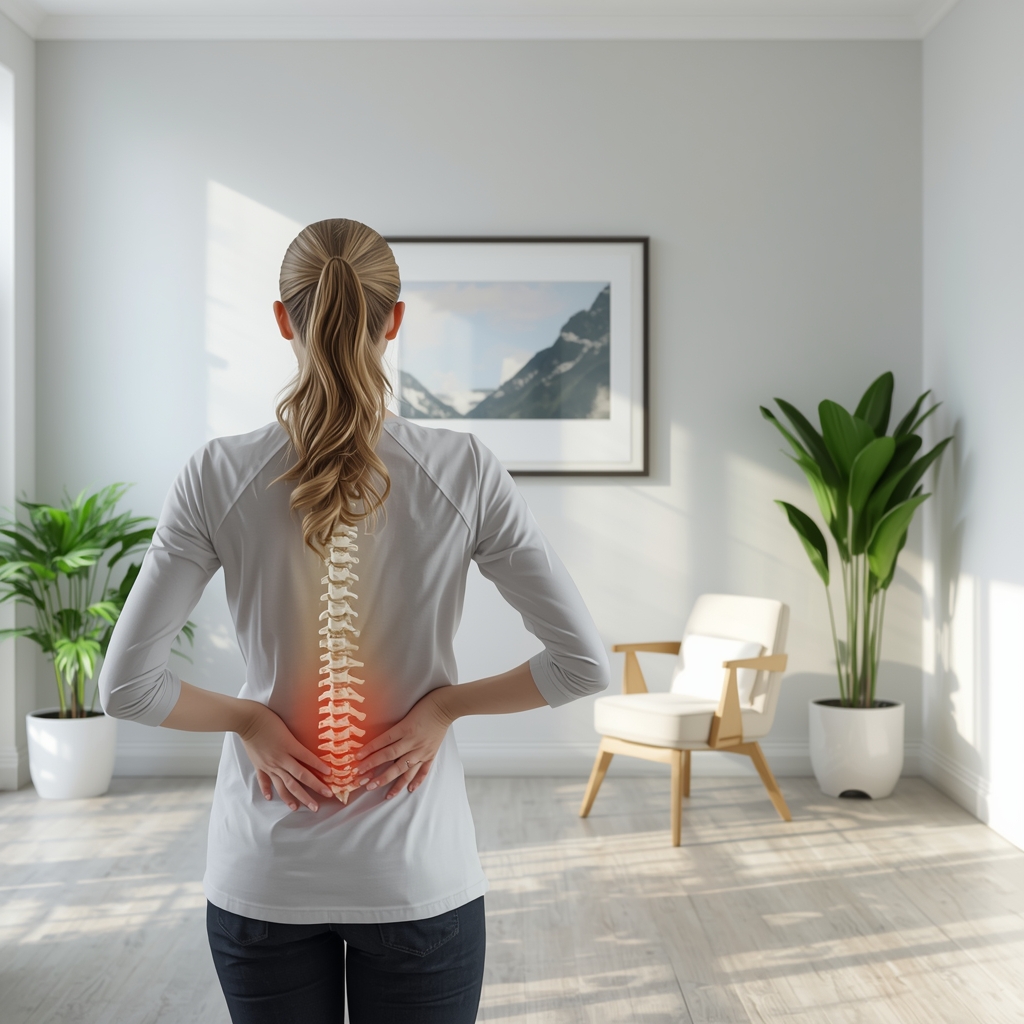
Understanding Seasonal Health Assessments
Seasonal health assessments are structured evaluations chiropractors use to identify musculoskeletal vulnerabilities before they escalate. During winter, these assessments become critical as cold weather, reduced daylight, and seasonal activities increase injury risks. By analyzing posture, gait, and joint mobility, chiropractors can detect early signs of strain or imbalance. These evaluations often include reviewing patient history, lifestyle factors, and previous injuries. The goal is to create a proactive plan tailored to individual needs, addressing weaknesses before they lead to pain or dysfunction. This approach aligns with preventive care principles, emphasizing early intervention over reactive treatment. For high-risk populations, such as the elderly or those with chronic conditions, seasonal assessments provide a baseline to monitor changes and adjust care strategies. By integrating these assessments into routine practice, chiropractors can better support patients in maintaining mobility and reducing winter-related injuries.
High-Risk Populations in Winter
Winter poses unique challenges for specific groups, making them more susceptible to musculoskeletal injuries. The elderly, for example, face heightened fall risks due to icy surfaces and reduced balance. Individuals with arthritis may experience increased joint stiffness and pain from cold exposure. Those with chronic lower back issues often report flare-ups during colder months. Occupational risks also rise for workers in construction, delivery, or outdoor services, who endure physical strain in harsh conditions. Patients with pre-existing nerve compression, like sciatica, may see symptoms worsen due to reduced movement. Additionally, people with sedentary lifestyles might neglect exercise, leading to muscle atrophy and poor posture. Chiropractors must recognize these vulnerabilities during seasonal assessments, prioritizing personalized care plans. By addressing individual risk factors, they can mitigate winter-specific complications and promote resilience in these populations.
Winter-Related Musculoskeletal Risks
Winter introduces specific musculoskeletal threats, from slips on ice to repetitive strain from seasonal tasks. Falls are a leading cause of fractures and soft tissue injuries, particularly among older adults. Cold weather can stiffen muscles and joints, increasing the likelihood of strains or sprains during physical activities. Snow shoveling, a common winter chore, often leads to lower back injuries due to improper lifting techniques. Prolonged indoor heating can cause dehydration, affecting joint lubrication and muscle flexibility. Additionally, reduced sunlight may contribute to vitamin D deficiencies, weakening bones and muscles. Chiropractors note a rise in conditions like frozen shoulder and tendonitis during colder months. These risks underscore the need for seasonal assessments to identify and address pre-existing weaknesses. By understanding these patterns, chiropractors can tailor interventions to reduce injury probabilities and support overall musculoskeletal health.
Tailoring Assessments for Winter Conditions
Chiropractors adapt seasonal assessments to account for winter-specific stressors, ensuring comprehensive evaluations. This includes assessing how cold weather affects muscle tone, joint range of motion, and nerve function. For instance, colder temperatures may exacerbate conditions like sciatica or cervical spine issues, requiring targeted examinations. Chiropractors might also evaluate patients’ footwear, gait patterns, and balance to address fall risks. Lifestyle factors, such as reduced physical activity or increased indoor time, are reviewed to identify potential contributors to stiffness or weakness. Special attention is given to areas prone to winter strain, like the lower back, shoulders, and knees. By integrating these considerations, chiropractors create proactive care plans that include ergonomic advice, movement modifications, and preventive exercises. This tailored approach helps patients navigate winter challenges while maintaining musculoskeletal integrity and reducing injury risks.
Preventive Strategies and Interventions
Chiropractors employ various strategies during seasonal assessments to prevent winter injuries. These include recommending targeted exercises to improve flexibility, strength, and balance, such as low-impact aerobic activities or yoga. Ergonomic adjustments for home and work environments may be suggested to reduce strain from tasks like snow removal or prolonged sitting. Chiropractors might also advise on proper lifting techniques and the use of supportive footwear to prevent falls. Regular spinal adjustments can alleviate existing tension, enhancing mobility and reducing injury risks. Additionally, patients may receive guidance on maintaining hydration and nutrition to support joint and muscle health. For those with chronic conditions, chiropractors can coordinate with other healthcare providers to ensure holistic care. These interventions, combined with patient education, empower individuals to protect their musculoskeletal systems throughout the winter season.
Collaborating for Comprehensive Care
Effective winter injury prevention requires chiropractors to collaborate with other healthcare professionals. This includes sharing insights with primary care physicians, physical therapists, and specialists to create integrated care plans. For high-risk patients, referrals to occupational therapists may help modify daily activities and reduce strain. Chiropractors can also partner with fitness experts to design safe exercise programs that accommodate winter conditions. Community resources, such as fall prevention classes or local wellness initiatives, may be recommended to enhance patient support. By fostering these partnerships, chiropractors ensure patients receive well-rounded guidance, addressing both musculoskeletal and overall health needs. This collaborative approach strengthens preventive efforts, enabling high-risk populations to navigate winter challenges with greater confidence and safety.













