
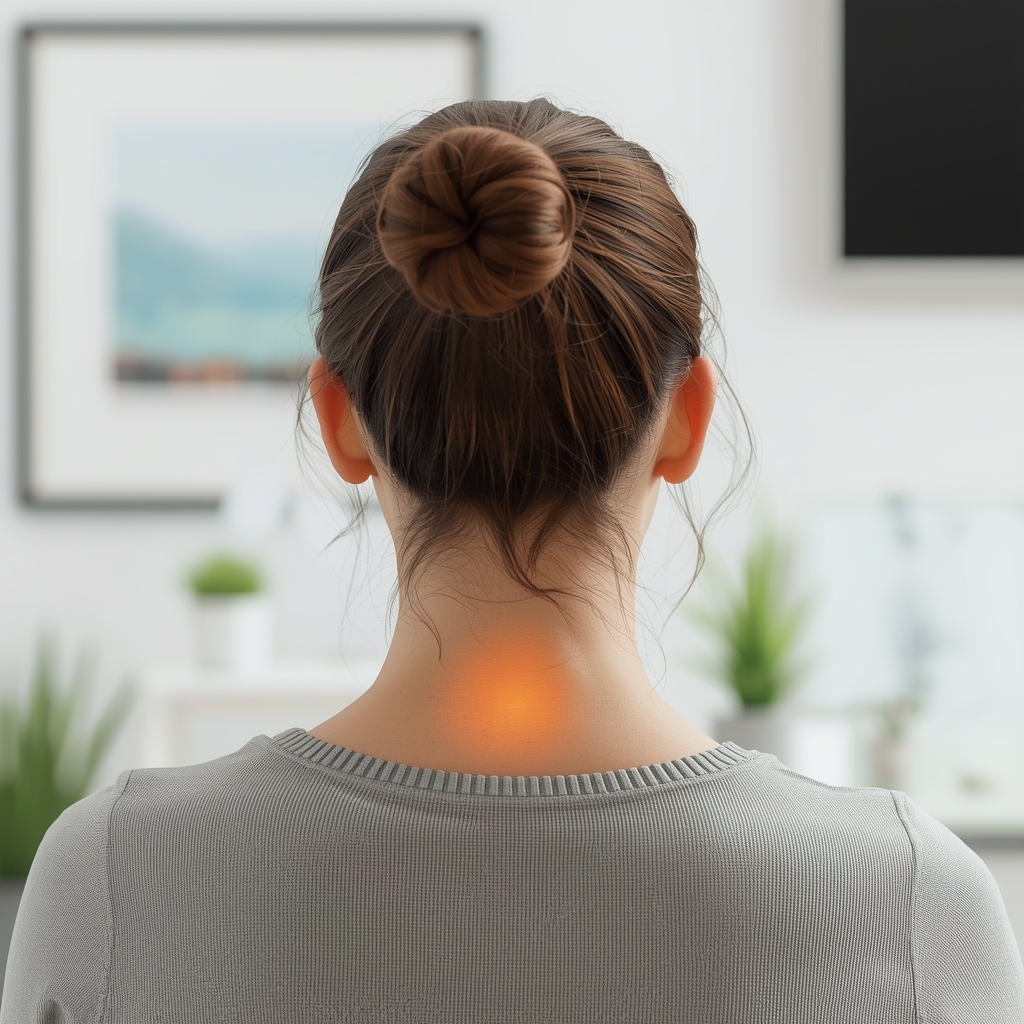
Understanding Tech Neck and Cervical Radiculopathy
Tech neck, a modern condition caused by prolonged forward head posture from device use, can lead to cervical radiculopathy—a nerve compression issue causing pain, numbness, or weakness in the arms and hands. This occurs when the cervical spine’s alignment is disrupted, irritating spinal nerves. Chiropractors address this by targeting misalignments and reducing pressure on affected nerves. While posture correction and ergonomic adjustments are foundational, spinal adjustments offer a direct approach to alleviate symptoms by restoring normal spinal mechanics. Understanding the relationship between tech neck and nerve irritation is key to developing effective treatment strategies that go beyond surface-level solutions.
Targeted Cervical Spine Adjustments
Chiropractors use precise cervical spine adjustments to realign vertebrae and relieve nerve compression. Techniques like the Gonstead or diversified method focus on correcting subluxations—misaligned joints that contribute to radiculopathy. These adjustments aim to reduce inflammation, improve joint mobility, and restore proper nerve function. For tech neck patients, adjustments often target the upper cervical region (C1-C2) and mid-cervical spine (C5-C7), where nerve roots are most commonly affected. By addressing structural imbalances, chiropractors help ease radiating pain and improve overall cervical stability, offering a non-invasive alternative to medication or surgery.
Soft Tissue and Adjunct Therapies
In addition to spinal adjustments, chiropractors may incorporate soft tissue therapies to address muscle tension and inflammation. Techniques like Active Release Technique (ART) or myofascial release target tight neck and shoulder muscles exacerbated by tech neck. These methods complement adjustments by reducing pressure on nerves and improving blood flow. Chiropractors might also use modalities such as ultrasound or electrical stimulation to ease pain and promote healing. By combining structural and soft tissue interventions, practitioners create a holistic approach to managing cervical radiculopathy, addressing both nerve irritation and muscular contributors to the condition.
Patient Education and Lifestyle Modifications
Chiropractors emphasize patient education to prevent recurrence of tech neck and radiculopathy. This includes guidance on ergonomic setups, screen positioning, and regular movement breaks to reduce cervical strain. Patients are often taught corrective exercises to strengthen neck and core muscles, improving posture and reducing nerve compression. Chiropractors may also recommend stretching routines to alleviate muscle tightness. By empowering patients with practical strategies, chiropractors help them take an active role in their recovery, ensuring long-term relief beyond in-office treatments.
Monitoring Progress and Adjusting Care
Chiropractors regularly assess patients’ progress through physical exams and symptom tracking to ensure adjustments are effective. If improvements plateau, treatment plans may be modified to include additional techniques or referrals to other specialists. Open communication between patient and provider is crucial to address concerns and refine care. Chiropractors also monitor for signs of worsening radiculopathy, such as increasing numbness or weakness, which may require further diagnostic evaluation. This dynamic approach ensures care remains tailored to each individual’s needs, optimizing outcomes for tech neck-related cervical issues.
When to Seek Professional Help
If tech neck symptoms persist or worsen despite self-care efforts, consulting a chiropractor is advisable. Persistent pain, tingling, or muscle weakness may indicate cervical radiculopathy requiring professional intervention. Chiropractors can differentiate between musculoskeletal strain and nerve-related conditions, ensuring appropriate care. While adjustments are a primary tool, they may collaborate with other healthcare providers for comprehensive treatment. Patients should seek help promptly if symptoms interfere with daily activities, as early intervention often leads to faster recovery. A chiropractor can develop a personalized plan to address the root causes of tech neck and radiculopathy effectively.














