
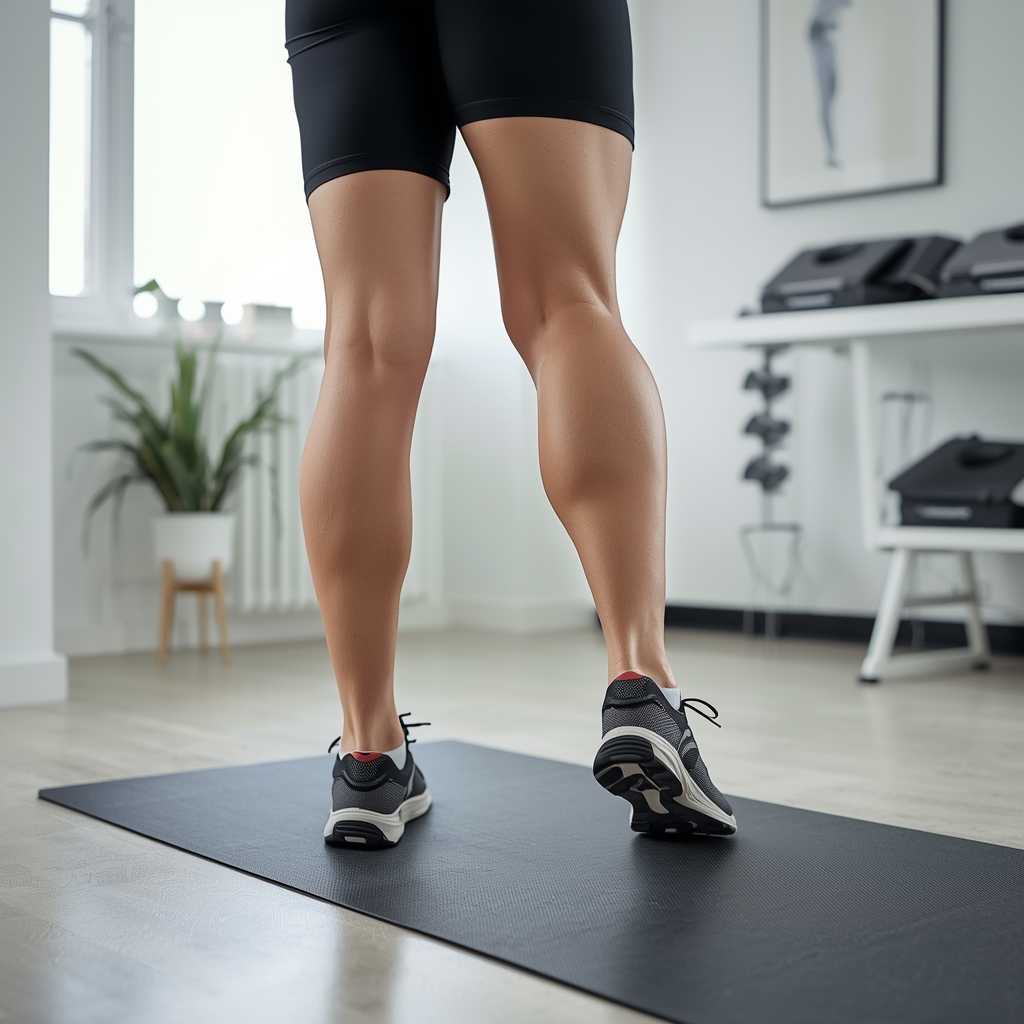
Understanding Achilles Tendinopathy in Runners
Achilles tendinopathy is a common overuse injury affecting the tendon that connects the calf muscles to the heel bone. It often develops in runners due to repetitive stress, improper footwear, or biomechanical imbalances. Symptoms include pain, stiffness, and swelling along the tendon, which can worsen with activity. While rest and physical therapy are standard approaches, chiropractic care offers complementary strategies to address underlying factors. By focusing on musculoskeletal alignment and movement patterns, chiropractors aim to reduce strain on the Achilles tendon and support natural healing processes.
Preventive Strategies Through Chiropractic Care
Chiropractic care emphasizes proactive measures to prevent Achilles tendinopathy. Regular spinal and joint adjustments can improve overall biomechanics, reducing compensatory movements that strain the lower extremities. Soft tissue therapies, such as myofascial release, may alleviate tightness in the calf muscles, which contributes to tendon stress. Additionally, chiropractors often recommend corrective exercises to strengthen the foot and ankle stabilizers. These interventions help maintain proper gait mechanics and reduce the risk of overuse injuries. By addressing imbalances early, runners can minimize the likelihood of developing chronic tendon issues.
Treatment Approaches for Existing Tendinopathy
For runners already experiencing Achilles tendinopathy, chiropractic care focuses on symptom relief and functional restoration. Spinal adjustments and extremity manipulations can enhance nerve function and blood flow to the affected area, promoting healing. Gait analysis may identify abnormal movement patterns, such as overpronation, that exacerbate the condition. Chiropractors might also employ modalities like ultrasound or electrical stimulation to reduce inflammation. While not a standalone cure, these techniques often complement traditional treatments, offering a holistic approach to recovery. Collaboration with physical therapists or sports medicine professionals ensures a comprehensive plan tailored to the individual’s needs.
The Role of Gait Analysis in Diagnosis and Treatment
Gait analysis is a critical tool in assessing and managing Achilles tendinopathy. By evaluating a runner’s walking or running pattern, chiropractors can detect inefficiencies such as uneven weight distribution or excessive heel strike. These insights help pinpoint biomechanical issues that may contribute to tendon overload. Custom orthotics, footwear modifications, or targeted exercises can then be prescribed to correct these imbalances. Gait analysis also guides the frequency and type of chiropractic adjustments, ensuring interventions align with the runner’s specific movement demands. This data-driven approach enhances the precision of care, reducing recurrence risks and improving long-term outcomes.
Integrating Chiropractic Care With Other Therapies
Chiropractic care for Achilles tendinopathy is most effective when integrated with other therapeutic modalities. Physical therapy exercises, such as eccentric calf raises, can strengthen the tendon and surrounding musculature. Stretching routines, guided by a chiropractor, may improve flexibility and reduce tension. In some cases, massage therapy or dry needling is used to address soft tissue restrictions. Chiropractors often coordinate with podiatrists to address foot mechanics or with sports trainers to refine training regimens. This multidisciplinary approach ensures that all contributing factors—biomechanical, muscular, and lifestyle—are addressed, optimizing recovery and performance.
When to Consult a Chiropractor for Achilles Issues
Runners experiencing persistent Achilles pain should consider consulting a chiropractor as part of their care team. While not a substitute for medical evaluation, chiropractic care can provide valuable insights into biomechanical contributors to the injury. A qualified chiropractor can assess alignment, movement patterns, and soft tissue health to develop a personalized plan. It’s important to seek care from a practitioner experienced in sports injuries and gait analysis. By combining chiropractic techniques with evidence-based practices, runners can address the root causes of tendinopathy and return to activity safely. Always discuss treatment options with a healthcare provider to ensure a well-rounded approach.











