
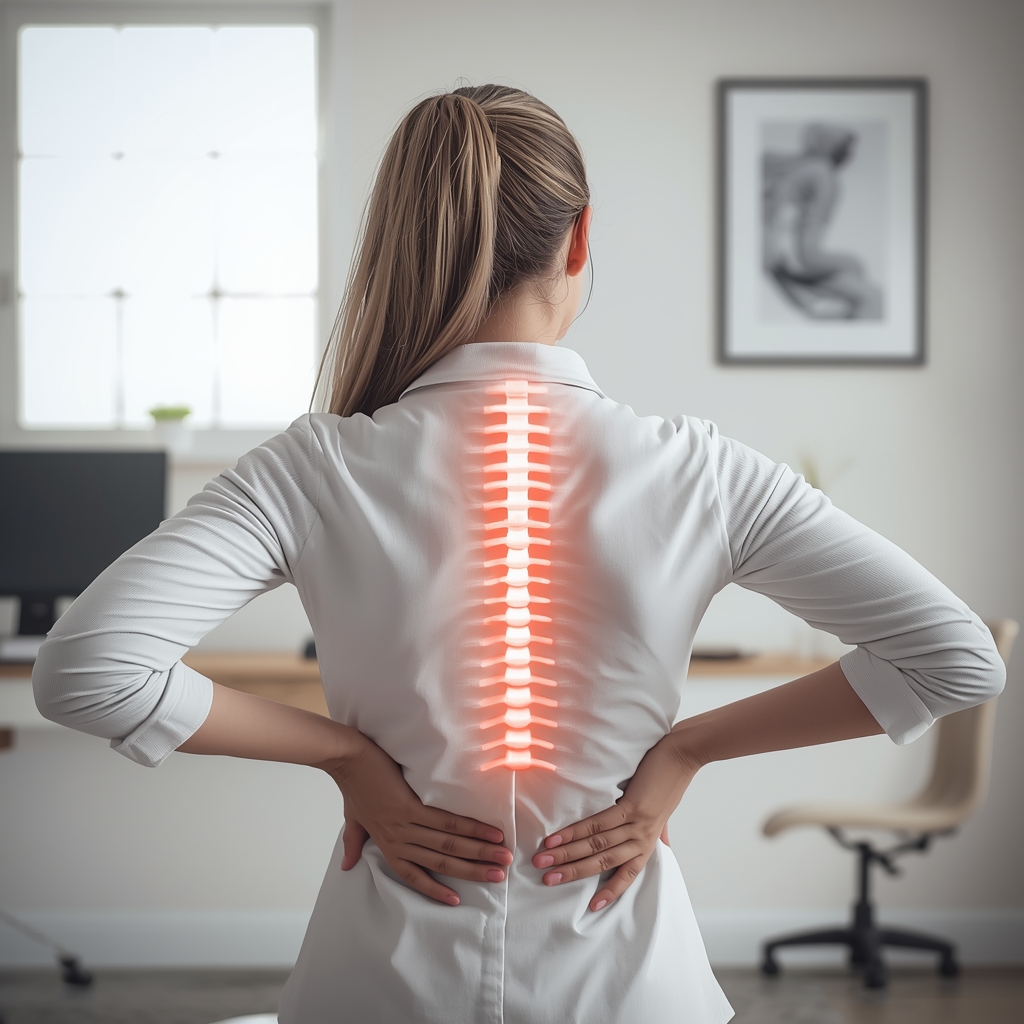
Chiropractic Care as a Non-Invasive Alternative to Opioids
Chronic back pain affects millions, often leading to reliance on opioids for relief. Chiropractic care offers a non-invasive, drug-free approach by addressing musculoskeletal imbalances and nerve interference. Spinal adjustments, soft tissue therapy, and rehabilitative exercises can reduce pain and improve function without medication. This aligns with growing efforts to minimize opioid prescriptions, as chiropractic interventions target root causes rather than masking symptoms. Patients may experience fewer side effects and lower risk of dependency compared to long-term opioid use. Integrating chiropractic care into pain management plans provides a holistic option for those seeking alternatives to pharmaceuticals.
Collaborative Care Models for Chronic Pain
Effective pain management often requires a multidisciplinary approach. Chiropractors can work alongside primary care physicians, physical therapists, and pain specialists to create personalized treatment plans. This collaboration ensures patients receive comprehensive care that combines spinal manipulation with other therapies like acupuncture or exercise programs. By sharing patient progress and adjusting strategies as needed, healthcare providers can optimize outcomes. Such models also help monitor and manage opioid use, ensuring it remains a last resort. Patients benefit from coordinated care that addresses both structural and systemic factors contributing to chronic back pain.
Techniques That Support Opioid-Sparing Strategies
Chiropractors employ various techniques to alleviate back pain without medication. Spinal adjustments restore proper alignment, reducing pressure on nerves and muscles. Soft tissue therapies, such as massage or myofascial release, ease tension and improve circulation. Rehabilitative exercises strengthen core muscles, enhancing stability and preventing future injuries. These methods collectively reduce pain intensity and improve mobility. When integrated into a broader care plan, they can decrease the need for opioids. Patients often report improved quality of life and greater control over their recovery through these non-pharmacological interventions.
Patient Education and Shared Decision-Making
Empowering patients with knowledge is critical in opioid-sparing care. Chiropractors educate individuals about the benefits of non-drug treatments and how they complement other therapies. Open discussions about risks, expectations, and alternatives help patients make informed choices. This approach fosters trust and encourages adherence to treatment plans. By involving patients in decision-making, healthcare providers ensure care aligns with personal goals and values. Education also addresses common misconceptions about chiropractic care, making it easier for patients to embrace these options as part of their pain management strategy.
Addressing Barriers to Chiropractic Integration
Despite its benefits, chiropractic care faces challenges in mainstream adoption. Some patients and providers remain skeptical due to limited awareness of its efficacy. Insurance coverage gaps and inconsistent reimbursement policies also hinder access. Overcoming these barriers requires advocacy, research, and education to demonstrate chiropractic’s role in reducing opioid dependence. Healthcare systems must prioritize patient-centered models that value non-invasive options. By addressing these obstacles, more patients can benefit from integrated care that prioritizes safety, sustainability, and long-term wellness.
Future Directions for Chiropractic in Pain Management
The role of chiropractic care in opioid-sparing strategies is evolving as research advances. Studies continue to explore its effectiveness in reducing pain and improving function, reinforcing its place in evidence-based care. As healthcare shifts toward patient-centered models, chiropractic is likely to play an expanded role in chronic pain management. Continued collaboration between disciplines will refine best practices, ensuring safe and effective integration. By staying informed about emerging trends, chiropractors can better serve patients seeking alternatives to opioids, contributing to a healthier, more sustainable approach to back pain care.













