
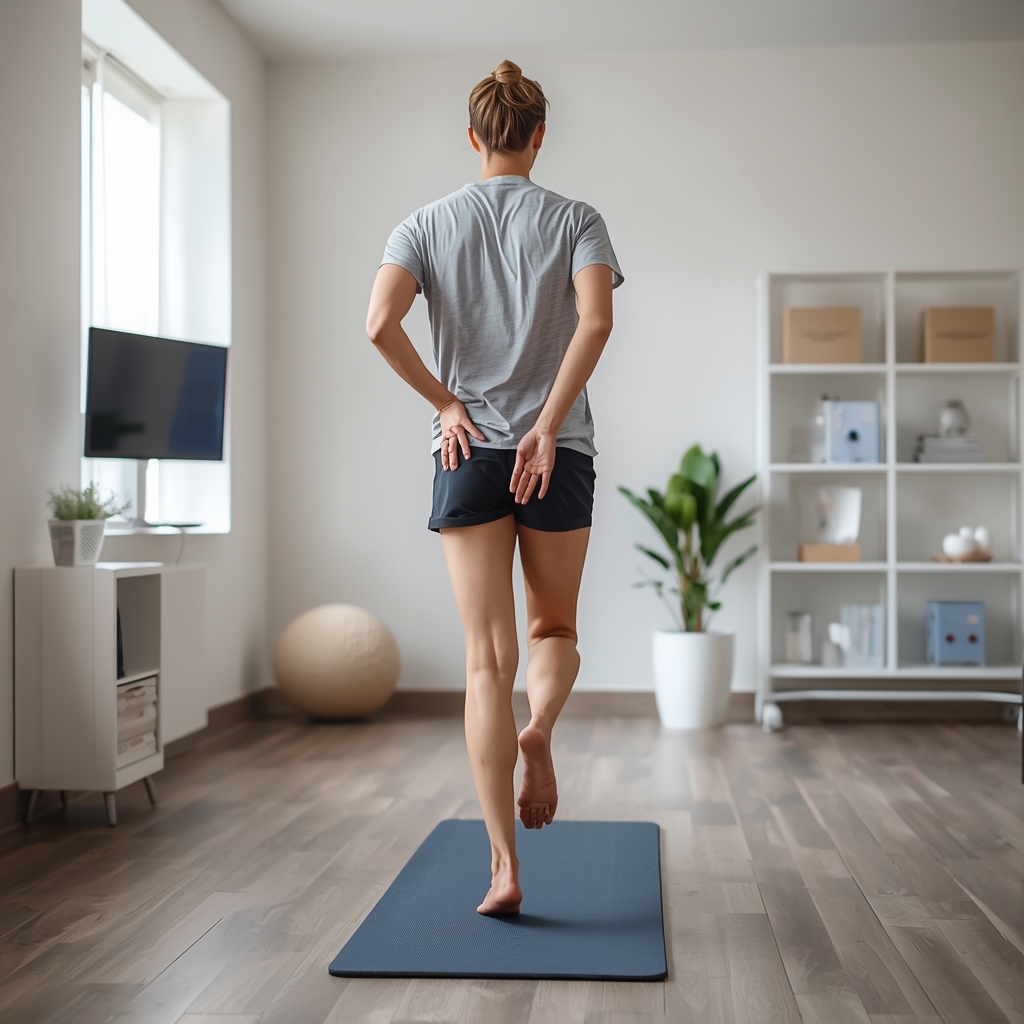
Understanding Patellar Tracking Issues
Patellar tracking refers to the movement of the kneecap (patella) as it slides within the groove of the thigh bone (femur). When this motion becomes irregular, it can lead to pain, instability, and long-term joint wear. Common causes include muscle imbalances, weak quadriceps, hip instability, or structural abnormalities. Recurrent knee pain from patellar misalignment often affects daily activities like walking, climbing stairs, or sitting for extended periods. While traditional treatments focus on strengthening and bracing, chiropractic care offers complementary approaches. By addressing biomechanical factors, chiropractors aim to restore proper alignment and reduce stress on the knee joint. This article explores how adjustments and gait analysis may support improved patellar tracking and overall knee function.
The Role of Chiropractic Adjustments
Chiropractic adjustments involve manual manipulations to correct misalignments in the spine and joints, which can indirectly influence knee mechanics. For patellar tracking issues, adjustments may target the pelvis, hips, or lower back to alleviate compensatory patterns that strain the knee. For example, a misaligned pelvis can alter the femur's angle, affecting how the patella moves. By restoring proper joint function, adjustments may reduce pressure on the knee and promote smoother movement. While research on direct effects on patellar tracking is limited, many patients report symptom relief after chiropractic care. It’s important to note that adjustments are typically part of a broader treatment plan, often combined with exercises or lifestyle modifications for optimal results.
Gait Analysis and Its Impact
Gait analysis evaluates how a person walks, identifying irregularities in movement patterns that may contribute to knee pain. For patients with patellar tracking issues, abnormal gait—such as overpronation or uneven weight distribution—can exacerbate misalignment. Chiropractors use this assessment to pinpoint biomechanical imbalances, like weak hip stabilizers or tight iliotibial bands, which affect knee function. By addressing these factors, gait retraining or targeted adjustments may help restore normal movement. For instance, correcting foot mechanics through orthotics or strengthening exercises can reduce stress on the patella. While gait analysis is not a standalone solution, it provides valuable insights into the root causes of knee pain, guiding personalized care strategies that prioritize long-term relief and joint health.
Integrating Adjustments and Gait Analysis
Combining chiropractic adjustments with gait analysis offers a holistic approach to addressing patellar tracking issues. Adjustments can correct spinal and joint misalignments that indirectly affect knee mechanics, while gait analysis identifies specific movement patterns contributing to instability. For example, a chiropractor might adjust the pelvis to improve hip alignment, then use gait analysis to monitor changes in knee function. This dual strategy allows for dynamic adjustments based on real-time feedback, ensuring treatments evolve with the patient’s progress. Patients often report reduced pain and improved mobility when both methods are used together. However, outcomes vary, and individualized care is essential. A chiropractor can determine the best combination of techniques, emphasizing safety and effectiveness for each unique case.
Benefits and Considerations
Chiropractic care for patellar tracking issues may offer several benefits, including reduced pain, improved joint function, and enhanced mobility. By addressing underlying biomechanical factors, adjustments and gait analysis can complement traditional therapies like physical therapy or bracing. Many patients find these approaches helpful in managing chronic knee pain, though results depend on the severity of the condition and adherence to treatment plans. It’s important to recognize that chiropractic care is not a substitute for medical evaluation, especially if there’s a risk of structural damage or arthritis. Patients should consult a qualified chiropractor to discuss their specific needs and ensure treatments align with their overall health goals. Open communication with healthcare providers helps create a balanced approach to knee health and long-term wellness.
When to Seek Professional Guidance
If you experience persistent knee pain or suspect patellar tracking issues, consulting a chiropractor can provide valuable insights. A professional can assess your condition, recommend appropriate treatments, and guide you through the process of improving joint function. Chiropractic adjustments and gait analysis are most effective when tailored to individual needs, so it’s crucial to work with a licensed practitioner. They may also collaborate with other healthcare providers to ensure a comprehensive approach. While these methods can support knee health, they are not a replacement for medical advice. Always discuss your symptoms and treatment options with a qualified provider to determine the best path forward. Prioritizing professional guidance helps ensure safe, effective care for long-term relief and mobility.














