
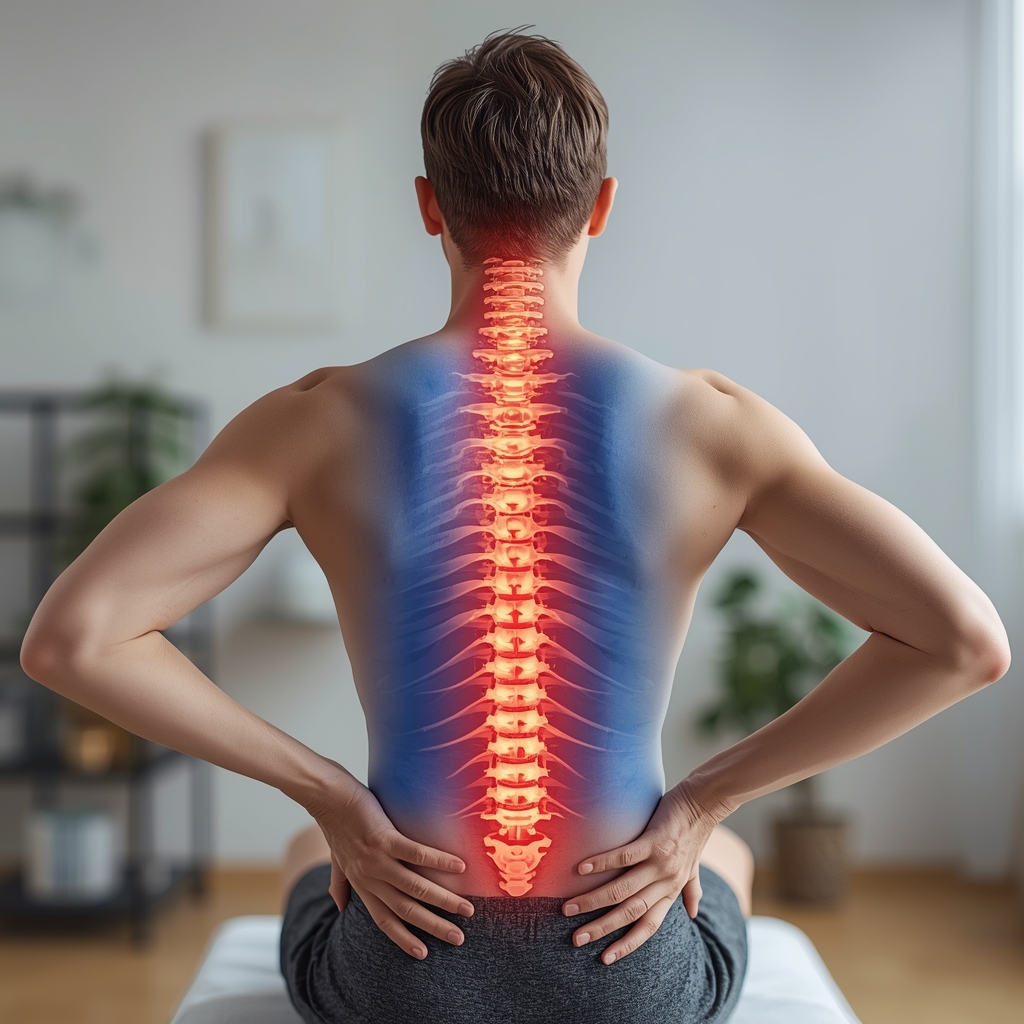
Understanding Myofascial Adhesions in the Lower Back
Myofascial adhesions are tight, fibrous bands that form within the fascia, the connective tissue surrounding muscles. In the lower back, these adhesions often develop due to repetitive strain, poor posture, or injury, leading to restricted movement and persistent discomfort. They can disrupt normal muscle function, contributing to chronic pain and reduced flexibility. Unlike general muscle soreness, adhesions create localized tension that may radiate to other areas, complicating recovery. Addressing them requires targeted interventions that break down these restrictive knots while preserving tissue integrity. This is where techniques like Active Release Technique (ART) come into play, offering a method to restore mobility and alleviate pain through precise soft tissue manipulation.
How ART Addresses Myofascial Adhesions
Active Release Technique (ART) involves the practitioner applying pressure to specific points while the patient performs controlled movements. This combination of tension and motion helps separate adhesions, restoring normal tissue gliding and function. In the lower back, ART focuses on muscles like the erector spinae and iliopsoas, which are prone to developing tightness. By identifying and treating these adhesions, ART aims to reduce pain and improve range of motion. The process is tailored to the individual, with the chiropractor assessing areas of restriction and adjusting pressure accordingly. While not a standalone solution, ART is often used alongside other therapies to enhance outcomes. Its non-invasive nature makes it a popular choice for those seeking drug-free pain relief options.
The Role of Soft Tissue Manipulation
Soft tissue manipulation is central to ART’s approach, targeting the root cause of myofascial pain rather than just masking symptoms. By applying sustained pressure to adhesions, the technique encourages the breakdown of scar tissue and promotes blood flow to the affected area. This can accelerate healing and reduce inflammation, which are key factors in chronic pain management. In the lower back, this method helps realign muscle fibers, restoring their natural elasticity and function. Practitioners use their hands or specialized tools to apply precise force, ensuring minimal discomfort while maximizing effectiveness. The goal is to create a balanced musculoskeletal environment, where muscles work in harmony rather than in conflict. This holistic approach supports long-term pain relief and prevents future complications.
Research on ART for Chronic Lumbar Pain
While specific studies on ART’s efficacy for lower back adhesions are limited, broader research on soft tissue techniques suggests potential benefits. Studies on similar interventions highlight improved mobility and reduced pain in patients with musculoskeletal conditions. For example, clinical observations note that patients often experience measurable progress after consistent ART sessions, particularly when combined with exercise and posture correction. Researchers emphasize the importance of individualized treatment plans, as each patient’s adhesions and pain patterns differ. Although large-scale trials are needed, anecdotal evidence and practitioner reports indicate that ART can be a valuable tool in managing chronic lumbar pain. Ongoing studies continue to explore its mechanisms and long-term outcomes, reinforcing its role in integrative care strategies.
Benefits of ART for Lower Back Pain
ART offers several advantages for individuals dealing with chronic lower back pain. By directly addressing myofascial adhesions, it can reduce localized tension and improve overall mobility. Patients often report decreased pain intensity and increased flexibility after sessions, which can enhance daily functioning. The technique also supports the body’s natural healing processes by stimulating blood flow and reducing inflammation. Unlike invasive procedures, ART is non-surgical and carries minimal risk, making it an appealing option for many. Additionally, its focus on soft tissue health can prevent future injuries by maintaining muscle balance. While results vary, many find ART to be a complementary approach that enhances other treatments. It’s important to work with a qualified practitioner to ensure safe and effective application.
Considerations and Next Steps
Before pursuing ART for lower back adhesions, it’s essential to consult a licensed chiropractor or healthcare provider. They can evaluate your specific condition and determine if ART is suitable for your needs. While generally safe, the technique requires proper training to avoid complications, such as overpressure or misdiagnosis. Patients should also be aware that results may vary and that ART is often part of a broader treatment plan. Combining it with exercises, ergonomic adjustments, and other therapies can optimize outcomes. Open communication with your provider is key to tailoring the approach to your goals. If you’re considering ART, ask about their experience with myofascial adhesions and what to expect during sessions. A personalized plan ensures the best chance of success in managing chronic lumbar pain.














