
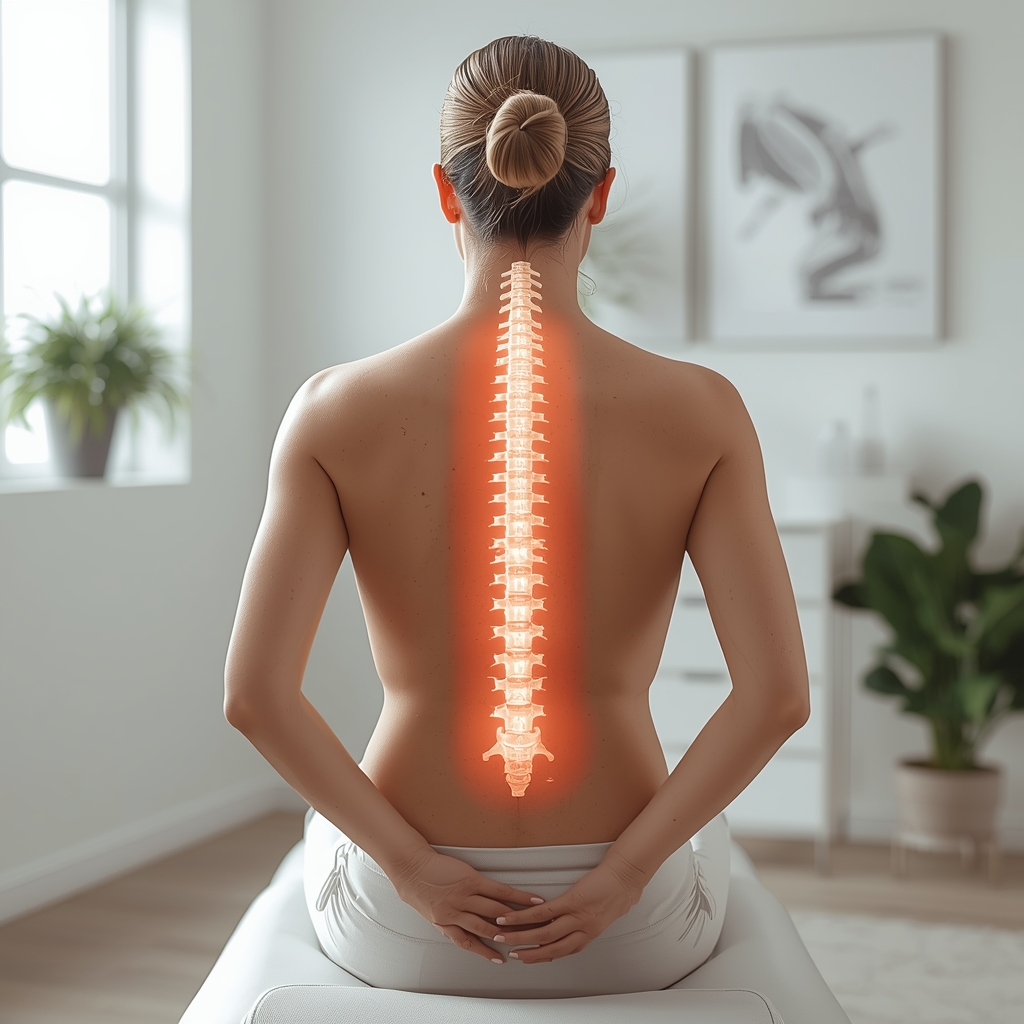
Understanding the Piriformis Muscle and Trigger Points
The piriformis muscle, located deep in the buttocks, plays a key role in hip rotation and stabilizing the femur. When this muscle develops trigger points—tender, knotted areas—it can compress the sciatic nerve, causing piriformis syndrome. Symptoms include radiating pain down the leg, mimicking sciatica. Trigger points often form due to overuse, poor posture, or injury. Identifying these points is crucial for targeted relief. While general movement aids recovery, specific techniques are needed to release tightness. Chiropractors and physical therapists use various methods to address these issues, emphasizing personalized care to avoid further strain.
Common Trigger Point Techniques Used
Several techniques are employed to alleviate piriformis trigger points, including manual pressure, dry needling, and instrument-assisted therapy. Manual pressure involves applying sustained force to the affected area, often using fingers, massage tools, or foam rollers. Dry needling targets the muscle with thin needles to reduce tension. Instrument-assisted techniques, like Graston, use specialized tools to break up adhesions. Each method aims to restore normal muscle function and reduce nerve compression. While these approaches are widely used, their effectiveness can vary based on individual anatomy and the severity of the condition. A qualified provider can determine the best combination of techniques for optimal results.
Manual Pressure and Self-Myofascial Release
Self-myofascial release (SMR) is a popular method for managing piriformis trigger points. Using a foam roller, lacrosse ball, or massage stick, individuals apply gradual pressure to the affected area. This technique helps relax tight muscle fibers and improve blood flow. It’s important to avoid excessive force, as this can worsen discomfort. Sessions typically last 1–2 minutes per spot, focusing on areas of tenderness. While SMR can provide temporary relief, it’s most effective when combined with other strategies. Consistency is key, as repeated sessions may gradually reduce trigger point activity. However, persistent pain or lack of improvement warrants professional evaluation to rule out underlying issues.
Dry Needling and Acupuncture
Dry needling involves inserting thin needles into trigger points to stimulate healing and reduce muscle tension. This technique is often used by chiropractors and physical therapists to address deep-seated knots. Acupuncture, a related practice, targets specific points to restore energy flow and alleviate pain. Both methods aim to interrupt pain signals and promote relaxation. While research on their efficacy for piriformis syndrome is limited, many patients report improved mobility and reduced discomfort. These treatments should be performed by trained professionals to ensure safety and accuracy. They are typically part of a broader treatment plan, complementing other therapies like spinal adjustments or soft tissue mobilization.
Instrument-Assisted Soft Tissue Mobilization
Instrument-assisted soft tissue mobilization (IASTM) uses tools like Graston or E-STIM devices to break up scar tissue and adhesions in the piriformis muscle. This technique enhances blood circulation and accelerates recovery by targeting restricted areas. The tools are glided over the skin, applying controlled pressure to release tightness. IASTM is often used in conjunction with manual therapy and exercise. It may cause temporary soreness, similar to deep tissue massage, but is generally well-tolerated. While effective for some, results depend on the practitioner’s skill and the patient’s adherence to follow-up care. A chiropractor can assess whether IASTM is suitable for an individual’s condition.
Integrating Techniques with Chiropractic Care
Chiropractic care often combines trigger point techniques with spinal adjustments to address piriformis syndrome holistically. Adjustments can realign the pelvis, reducing pressure on the sciatic nerve, while soft tissue work targets the root cause of tension. A provider may recommend a sequence of treatments, such as IASTM followed by adjustments, to maximize relief. Patients are also advised on lifestyle modifications, like stretching and posture correction, to prevent recurrence. While these methods are beneficial, they should not replace professional evaluation. Chronic cases may require ongoing management, emphasizing the importance of a collaborative approach between the patient and healthcare provider.













