
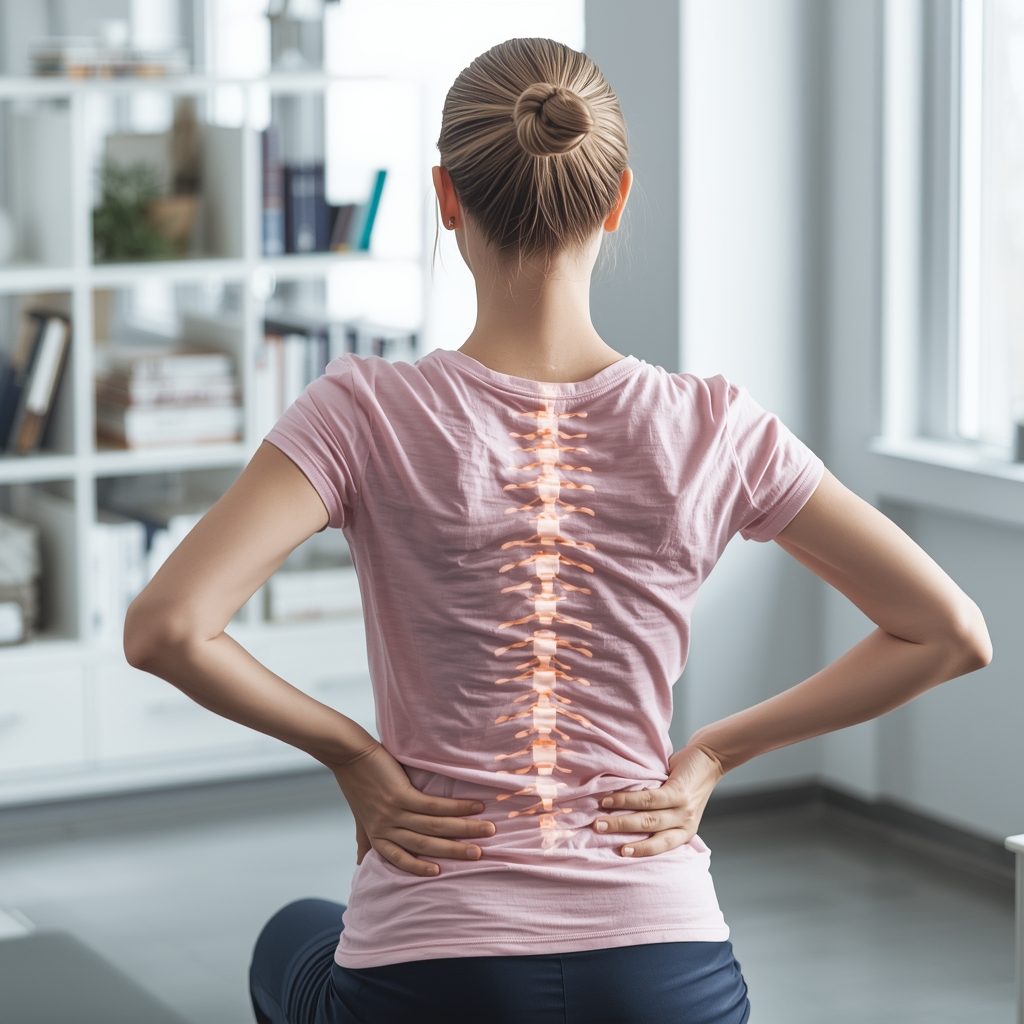
Understanding Scoliosis in Growing Spines
Scoliosis, characterized by an abnormal lateral curvature of the spine, affects approximately 2-3% of adolescents. While mild cases may require monitoring, moderate curves often benefit from non-surgical interventions. Chiropractic care focuses on managing symptoms and supporting spinal development without invasive procedures. Techniques emphasize gentle adjustments, posture correction, and strengthening exercises to maintain spinal alignment. It is crucial to note that chiropractic approaches should complement, not replace, medical evaluations. A qualified chiropractor can assess individual needs and recommend strategies tailored to the adolescent’s growth stage and curve severity.
Spinal Adjustments and Gentle Manipulation
Spinal adjustments, a cornerstone of chiropractic care, aim to restore proper joint function and reduce nerve interference. Techniques like the Diversified, Gonstead, and Logan Basic methods are commonly used for adolescents, prioritizing low-force adjustments to accommodate developing bones. These interventions may help alleviate pain, improve mobility, and support the spine’s natural curvature. However, adjustments alone are not a cure for scoliosis. They are most effective when combined with other therapies, such as targeted exercises and postural retraining. Regular follow-ups ensure the spine adapts well to these interventions without overcorrection.
Corrective Exercise Programs
Corrective exercises, such as the Schroth method and Pilates-based routines, are designed to strengthen muscles around the spine and improve posture. These programs focus on asymmetrical breathing, postural awareness, and muscle activation to counteract spinal curvature. Core strengthening exercises, like planks and bridges, also play a role in stabilizing the spine. While research on exercise efficacy for scoliosis is evolving, many practitioners report improved alignment and reduced discomfort with consistent practice. Adolescents should work with a chiropractor or physical therapist to customize routines, ensuring they are safe and appropriate for their specific condition.
Soft Tissue Therapies and Myofascial Release
Soft tissue therapies address muscle imbalances that can exacerbate spinal curvature. Techniques like Active Release Technique (ART) and myofascial release target tight or restricted muscles, promoting flexibility and reducing pain. These methods are often used alongside spinal adjustments to enhance overall effectiveness. For adolescents, gentle myofascial release can improve range of motion and support the spine’s natural alignment. However, these therapies should be performed by trained professionals to avoid overstimulation of developing tissues. Combining soft tissue work with other interventions creates a holistic approach to scoliosis management.
Posture Correction and Ergonomic Guidance
Poor posture can worsen scoliosis symptoms, making posture correction a vital component of care. Chiropractors often educate adolescents on proper sitting, standing, and sleeping positions to reduce spinal strain. Ergonomic adjustments, such as supportive chairs or backpacks, may also be recommended. Additionally, mindfulness practices like yoga or tai chi can reinforce healthy movement patterns. While these strategies do not reverse curvature, they help manage discomfort and prevent further progression. Consistent application of posture principles, guided by a chiropractor, can significantly improve quality of life for adolescents with scoliosis.
Monitoring Progress and Long-Term Management
Regular monitoring is essential for adolescents with scoliosis, as their spines continue to develop. Chiropractors may use X-rays or physical exams to track changes and adjust treatment plans accordingly. Combining chiropractic care with periodic medical check-ups ensures a comprehensive approach. For some, bracing or surgery may still be necessary, but chiropractic interventions can support these options by enhancing mobility and reducing associated pain. Long-term success depends on a collaborative effort between the patient, chiropractor, and healthcare team. Open communication and adherence to recommended protocols are key to managing scoliosis effectively during critical growth years.













