
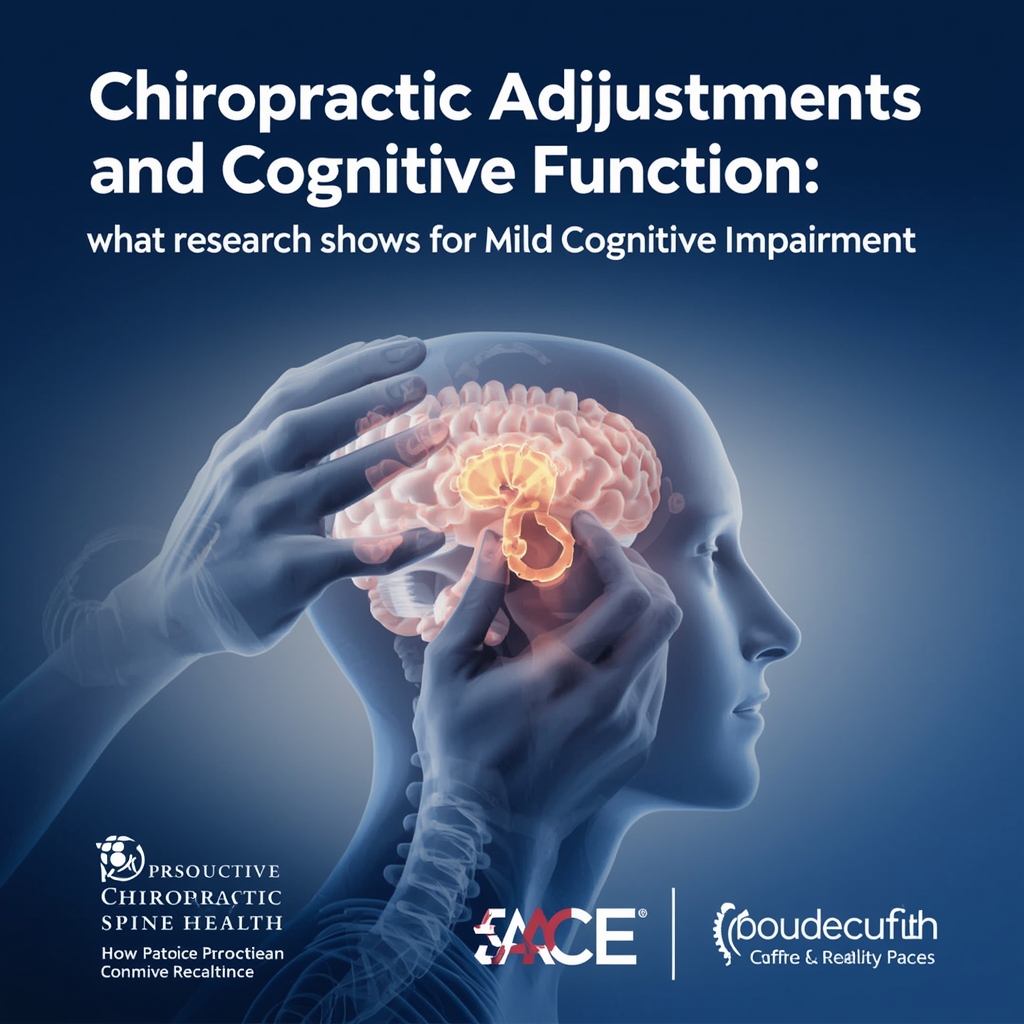
The Emerging Link Between Chiropractic Care and Cognitive Health
Recent interest in chiropractic care has expanded beyond musculoskeletal health to explore its potential impact on cognitive function. While traditional chiropractic focus has been on spinal alignment and nerve function, emerging research suggests that adjustments may influence brain health, particularly in individuals with mild cognitive impairment (MCI). This connection highlights the complex relationship between the nervous system, spinal mechanics, and cognitive processes. Although the field is still developing, preliminary studies and clinical observations indicate that chiropractic interventions could play a role in supporting cognitive resilience. Understanding this link requires examining both the scientific evidence and the physiological mechanisms that might explain how spinal adjustments affect brain function.
Research Studies and Observational Data
Several studies have investigated the association between chiropractic adjustments and cognitive improvements, though research in this area remains limited. Observational data from clinical settings suggest that patients with MCI who receive regular chiropractic care often report enhanced memory, focus, and overall mental clarity. While these reports are anecdotal, they have prompted further inquiry into the potential benefits of spinal manipulation. Some small-scale trials have explored changes in cognitive test scores following chiropractic interventions, with mixed results. Researchers emphasize the need for larger, controlled studies to validate these findings. Despite the lack of conclusive evidence, the growing body of work underscores the importance of investigating non-pharmacological approaches to cognitive health, particularly for conditions like MCI where conventional treatments may have limitations.
Potential Mechanisms: How Adjustments May Influence the Brain
The exact mechanisms by which chiropractic adjustments might affect cognitive function are not fully understood, but several theories exist. One hypothesis involves the nervous system: spinal misalignments, or subluxations, may interfere with neural communication, potentially impacting brain function. By correcting these misalignments, adjustments could restore proper nerve signaling, which might support cognitive processes. Another theory focuses on blood flow—spinal manipulation may improve circulation to the brain, enhancing oxygen and nutrient delivery. Additionally, some researchers suggest that chiropractic care could reduce systemic inflammation, a factor linked to cognitive decline. These pathways highlight the interconnectedness of the spine, nervous system, and brain, but more research is needed to confirm their role in cognitive improvement.
Neurological Pathways and the Spine's Role
The spine plays a central role in nervous system function, serving as a conduit for nerve signals between the brain and the body. Disruptions in spinal alignment may alter these signals, potentially affecting cognitive processes. For example, the cervical spine (neck region) is closely tied to brainstem function, which regulates vital autonomic processes and influences cognitive performance. Chiropractic adjustments aim to restore optimal spinal function, which could indirectly support brain health. Some studies suggest that spinal manipulative therapy may influence neurotransmitter activity and brainwave patterns, though the evidence remains preliminary. Understanding these neurological pathways requires interdisciplinary research, combining insights from chiropractic science, neuroscience, and cognitive psychology to explore how spinal care might contribute to cognitive resilience.
Implications for Patients with Mild Cognitive Impairment
For individuals with mild cognitive impairment, exploring non-invasive, complementary approaches like chiropractic care could offer additional support. While not a substitute for medical treatment, chiropractic interventions may provide a holistic component to a broader care plan. Patients and caregivers often seek alternatives to medication, and chiropractic care’s focus on natural, drug-free methods aligns with this preference. However, it is crucial to approach such treatments with realistic expectations and under the guidance of qualified professionals. Future research could clarify the extent to which chiropractic adjustments contribute to cognitive stability, potentially offering new options for managing MCI. Until then, open communication between patients, healthcare providers, and chiropractors remains essential to ensure safe and informed decision-making.
Consulting a Chiropractor: What to Expect and Consider
Individuals interested in exploring chiropractic care for cognitive health should consult a licensed chiropractor with experience in neurological or integrative approaches. During an initial evaluation, the chiropractor will assess spinal alignment, nervous system function, and overall health to develop a personalized plan. It is important to discuss any existing medical conditions, medications, or cognitive symptoms to ensure the care is tailored to the patient’s needs. While chiropractic adjustments are generally safe, they should not replace conventional medical treatments for MCI. Patients should maintain regular communication with their primary healthcare provider to coordinate care. As research in this area evolves, staying informed about new findings and maintaining an open dialogue with healthcare professionals will help individuals make well-rounded decisions about their cognitive health journey.













