
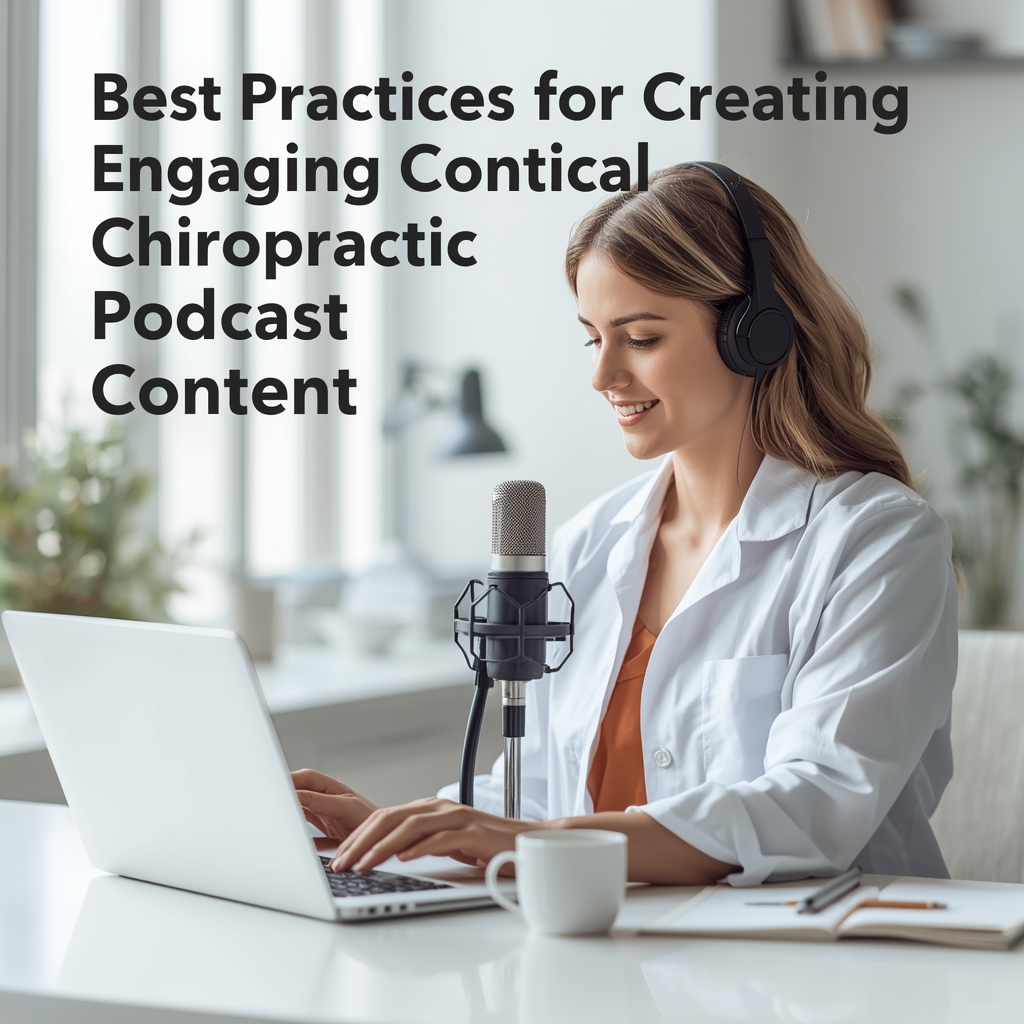
Know Your Audience and Define Your Niche
Successful chiropractic podcasts begin with a clear understanding of the target audience. Consider whether your content will appeal to patients, fellow practitioners, or general health enthusiasts. Tailoring topics to specific demographics—such as desk workers, athletes, or seniors—creates relevance. For example, episodes on posture correction or sports injury prevention resonate with distinct groups. Define your niche early to maintain focus and attract loyal listeners. Avoid broad, vague themes that dilute your message. Instead, identify key musculoskeletal health topics that align with your expertise and audience needs. This approach ensures your content remains focused, valuable, and engaging for those seeking practical insights.
Structure Content for Clarity and Engagement
Effective podcast episodes follow a logical structure that balances education with entertainment. Start with a strong opening that outlines the episode’s purpose, then break down complex topics into digestible segments. Use storytelling, analogies, or real-world examples to simplify concepts like spinal anatomy or injury recovery. Incorporate interviews with experts or patient success stories to add credibility and human interest. End with a clear takeaway or call to action, such as encouraging listeners to consult a chiropractor for personalized care. Consistent formatting—like recurring segments or Q&A formats—builds familiarity. Prioritize clarity over jargon to ensure accessibility for all listeners, regardless of their prior knowledge of musculoskeletal health.
Collaborate With Experts and Diverse Voices
Incorporating guest speakers and diverse perspectives enriches your podcast’s credibility and appeal. Invite chiropractors, physical therapists, or researchers to discuss evidence-based practices, such as spinal adjustments or rehabilitation techniques. Feature patient testimonials to highlight real-world outcomes without sharing identifiable information. Collaborating with professionals from related fields—like nutritionists or exercise specialists—broadens your content’s scope. This approach not only provides fresh insights but also attracts new audiences. Always verify guests’ credentials to maintain trust. By showcasing a range of voices, you position your podcast as a comprehensive resource for musculoskeletal health education while avoiding the appearance of biased or unverified advice.
Use Interactive and Accessible Formats
Engage listeners by incorporating interactive elements that encourage participation. Ask questions at the end of episodes, invite listener submissions, or host live Q&A sessions to foster connection. Use relatable language and avoid overly technical terms to ensure accessibility for all audiences. Break down complex topics into short, focused segments, such as “5 Tips for Lower Back Pain Relief” or “Understanding Sciatica.” Visual aids, like show notes or social media summaries, can reinforce key points. Podcasts that blend education with approachable delivery keep listeners coming back. By prioritizing clarity and interaction, you create a welcoming space for learning without overwhelming or alienating your audience.
Promote Consistency and Quality
Consistency in release schedules and production quality builds trust and keeps listeners engaged. Set a regular posting rhythm—weekly or biweekly—and stick to it. Invest in clear audio, professional editing, and concise scripting to maintain a polished feel. Share episodes on multiple platforms, such as Spotify, Apple Podcasts, and YouTube, to maximize reach. Use social media to tease upcoming topics and highlight listener feedback. High-quality content paired with reliable scheduling signals professionalism. Avoid rushing episodes to meet deadlines, as this can compromise clarity. By prioritizing both consistency and quality, your podcast becomes a dependable source of musculoskeletal health education.
Stay Aligned With Evidence-Based Practices
Ensure all content adheres to established medical consensus and avoids unverified claims. Focus on well-supported topics, such as the role of regular movement in recovery or the benefits of ergonomic adjustments. When discussing treatments, emphasize that individual results vary and recommend consulting a licensed chiropractor. Avoid promoting specific products or procedures without evidence. Instead, highlight general principles, like the importance of spinal alignment or injury prevention strategies. By grounding your content in credible information, you build trust with listeners while complying with regulatory standards. This approach positions your podcast as a reliable educational resource without overstepping into medical advice.













