
Understanding Chronic Disc Herniation and Treatment Goals
Chronic disc herniation occurs when the soft inner material of a spinal disc protrudes through its outer layer, causing pain, inflammation, and nerve compression. This condition often leads to persistent discomfort, limited mobility, and reduced quality of life. Treatment goals typically focus on reducing inflammation, alleviating pressure on nerves, and promoting long-term spinal stability. While spinal decompression techniques aim to gently relieve disc pressure, cold laser therapy offers anti-inflammatory and regenerative benefits. Combining these approaches may enhance outcomes by addressing both structural and biological aspects of the condition.
Principles of Cold Laser Therapy in Spinal Care
Cold laser therapy, also known as low-level laser therapy (LLLT), uses specific wavelengths of light to stimulate cellular function and reduce inflammation. It is believed to enhance ATP production, improve blood flow, and modulate pain signals. For disc herniation, this therapy may help reduce swelling around the affected area and support tissue repair. Its non-invasive nature makes it a complementary option for patients seeking to avoid surgery or medication. However, its effectiveness depends on proper application, including appropriate laser parameters and treatment duration, which should be determined by a qualified chiropractor.
Spinal Decompression Techniques and Mechanisms
Spinal decompression therapy involves using mechanical devices or manual techniques to gently stretch the spine, creating negative pressure within the discs. This can help reposition herniated material and relieve nerve compression. The process is typically painless and may be combined with other therapies to maximize benefits. For chronic disc herniation, decompression can reduce pain and improve mobility by alleviating pressure on spinal structures. When integrated with cold laser therapy, the two modalities may work synergistically to address both mechanical and inflammatory components of the condition.
Best Practices for Combining Therapies
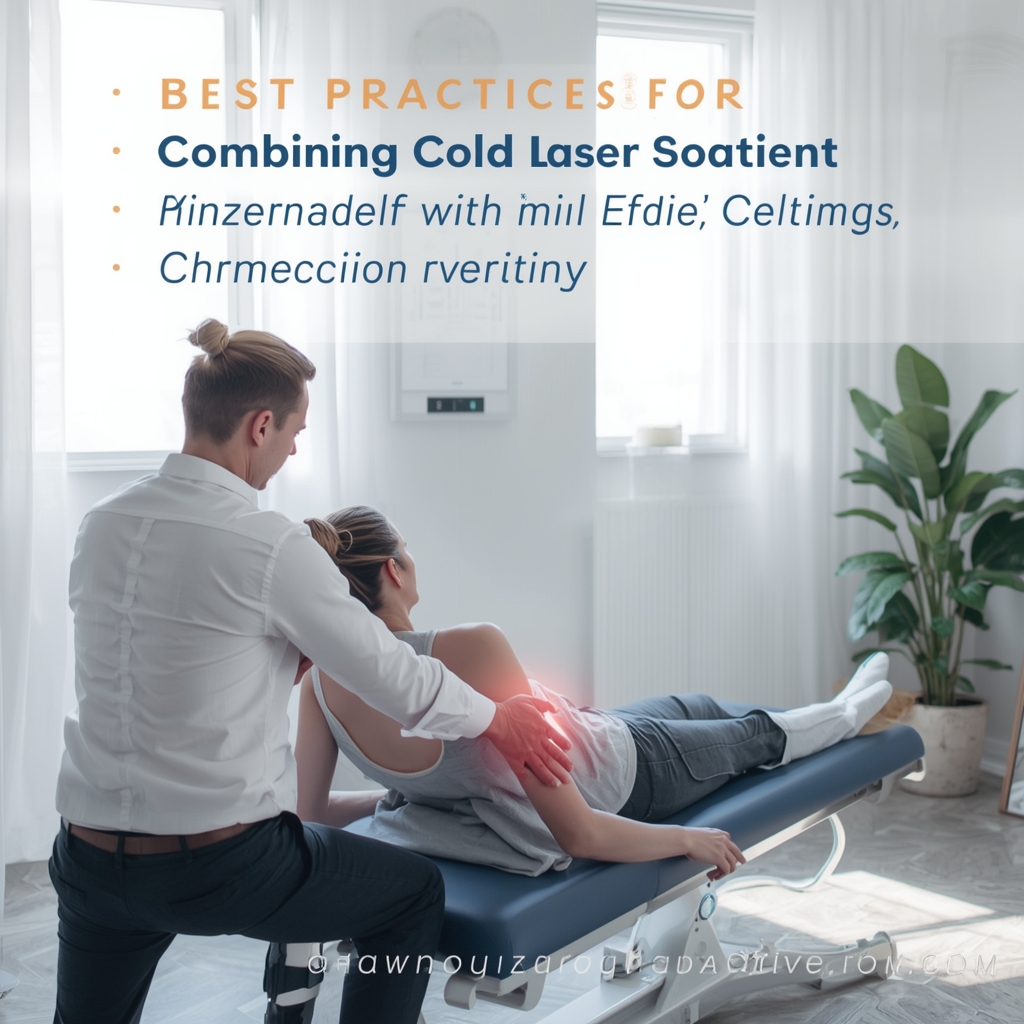
When integrating cold laser therapy with spinal decompression, timing and sequence matter. Some practitioners recommend applying laser therapy before decompression to reduce inflammation and prepare tissues for adjustment. Others may use it post-decompression to enhance recovery. The key is to tailor the approach to the patient’s individual needs, considering factors like pain levels, disc location, and overall health. A chiropractor will assess the patient’s condition and develop a protocol that balances these techniques without overloading the spine. Consistency and regular follow-ups are essential to monitor progress and adjust the plan as needed.
Monitoring Progress and Adjusting the Protocol
Patients undergoing combined cold laser and decompression therapy should maintain open communication with their chiropractor to track improvements and address concerns. Regular evaluations may involve imaging, pain assessments, and functional tests to gauge effectiveness. If symptoms persist or worsen, the treatment plan may need adjustments. It’s important to recognize that individual responses vary, and what works for one patient may not suit another. By prioritizing personalized care, chiropractors can optimize outcomes while minimizing risks. Patients should also be encouraged to report any unusual sensations or side effects during treatment.
Considerations for Safe and Effective Integration
Before combining cold laser therapy with spinal decompression, a thorough patient evaluation is crucial. Conditions like severe osteoporosis, active infections, or certain cancers may contraindicate these treatments. A chiropractor will review the patient’s medical history and current symptoms to ensure safety. Additionally, patients should avoid self-administering these therapies, as improper use can lead to complications. While both modalities are generally safe, their combined effects require professional oversight. By adhering to established guidelines and maintaining a collaborative approach, chiropractors can help patients achieve relief from chronic disc herniation effectively and responsibly.















