
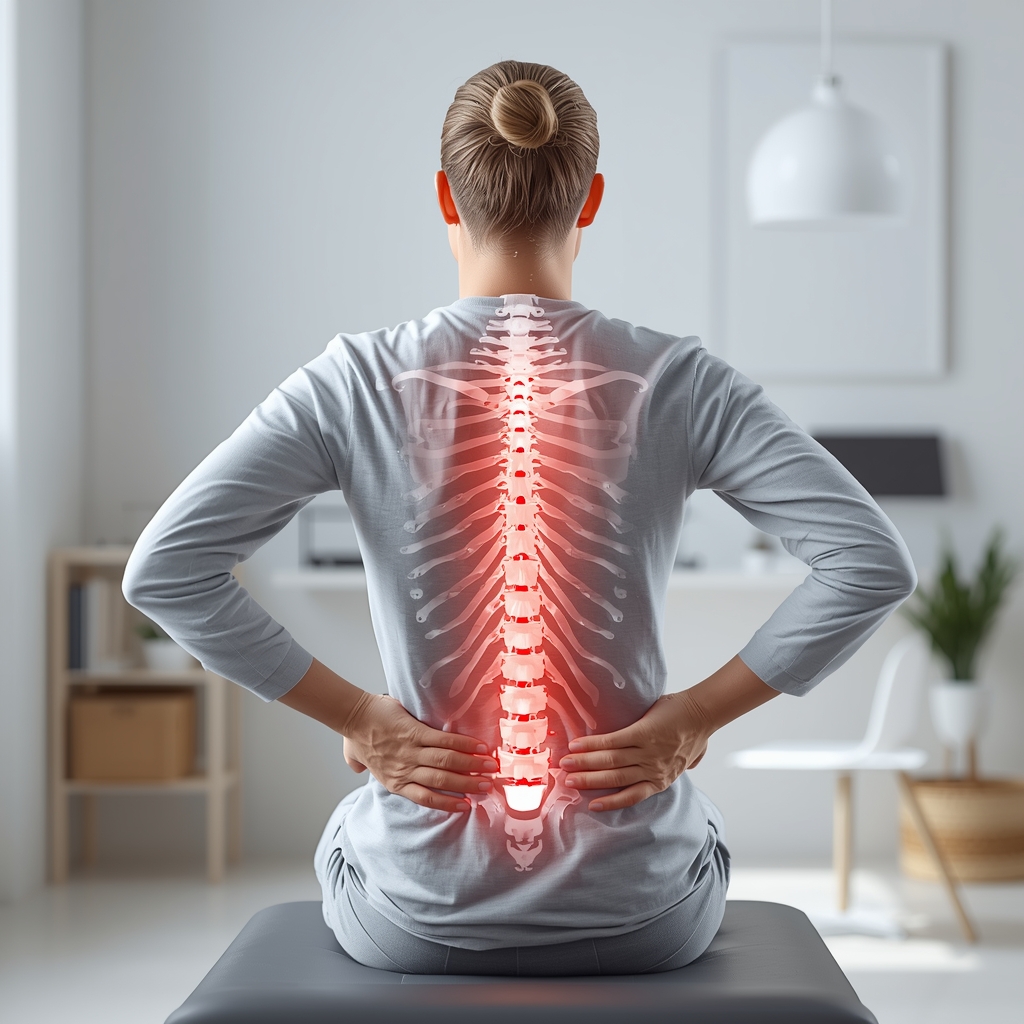
Understanding the Scope of Chronic Lower Back Pain Without Structural Abnormalities
Chronic lower back pain without structural abnormalities refers to persistent discomfort originating from musculoskeletal, neuromuscular, or functional issues rather than visible anatomical damage like herniated discs or fractures. Imaging studies often show normal spinal structures, yet patients experience recurring pain, stiffness, or limited mobility. This condition may stem from factors such as poor posture, muscle imbalances, nerve irritation, or compensatory movement patterns. While the absence of structural issues rules out some surgical or diagnostic interventions, it does not diminish the impact of the pain on daily life. Both chiropractic care and physical therapy aim to alleviate symptoms, but their approaches differ in focus and methodology. Understanding the underlying causes is critical for determining the most suitable treatment path, as each modality addresses distinct aspects of the patient’s condition.
Chiropractic Care's Focus on Spinal Alignment and Nervous System Function
Chiropractic care centers on the relationship between spinal alignment and nervous system function. Practitioners use manual adjustments to correct vertebral subluxations—minor misalignments that may interfere with nerve communication. This approach is rooted in the belief that proper spinal mechanics can reduce pain, improve mobility, and enhance overall body function. For patients with chronic lower back pain and no structural abnormalities, chiropractors may target soft tissue tension, joint restrictions, or postural imbalances contributing to discomfort. The hands-on nature of adjustments often provides immediate relief, making it a popular choice for those seeking non-invasive, drug-free solutions. However, the effectiveness of chiropractic care depends on the individual’s condition and the practitioner’s expertise. It is particularly suited for cases where nerve-related dysfunction or biomechanical stress is suspected, though outcomes vary and should be discussed with a qualified provider.
Physical Therapy's Emphasis on Strengthening, Mobility, and Functional Recovery
Physical therapy prioritizes restoring movement, strength, and function through targeted exercises, manual therapy, and patient education. For chronic lower back pain without structural abnormalities, PTs often design programs to address muscle weakness, poor flexibility, or faulty movement patterns. Techniques such as stretching, resistance training, and core stabilization help patients regain control over their bodies and reduce pain triggers. Physical therapists also teach posture correction and ergonomic strategies to prevent future episodes. This approach is particularly effective for patients whose pain stems from deconditioning, repetitive strain, or compensatory habits. Unlike chiropractic adjustments, which focus on alignment, PT emphasizes long-term lifestyle modifications and self-management. While results may take longer to manifest, the skills gained through physical therapy can empower patients to maintain independence and prevent recurrence. However, its success hinges on patient adherence and the therapist’s ability to tailor interventions to individual needs.
Scenarios Where Chiropractic Care May Offer Superior Outcomes
Chiropractic care may be more effective for patients whose chronic lower back pain arises from nerve-related dysfunction, soft tissue restrictions, or biomechanical imbalances. For instance, individuals experiencing radiating pain, tingling, or numbness might benefit from adjustments that relieve nerve pressure. Those with postural distortions or compensatory movement patterns may also find relief through spinal realignment and soft tissue work. Chiropractors often address these issues quickly, offering immediate symptom relief that physical therapy may not provide. Additionally, patients who prefer non-invasive, hands-on treatments may gravitate toward chiropractic care. However, this approach is less suited for cases requiring long-term strengthening or rehabilitation. It is important to note that chiropractic interventions should be guided by a thorough assessment to ensure they address the root cause of the pain. While some patients report significant improvement, outcomes vary, and collaboration with other healthcare providers is often necessary for comprehensive care.
Situations Where Physical Therapy May Be More Beneficial
Physical therapy is often more advantageous for patients whose chronic lower back pain stems from muscle weakness, poor flexibility, or functional limitations. For example, individuals with sedentary lifestyles or repetitive strain injuries may benefit from targeted exercises to rebuild strength and improve mobility. PTs also excel in addressing chronic conditions requiring ongoing management, such as degenerative joint changes or postural imbalances. By focusing on patient education and self-management strategies, physical therapy empowers individuals to take an active role in their recovery. This approach is particularly effective when pain is linked to overuse, poor biomechanics, or deconditioning. However, PT may not provide immediate relief for nerve-related or structural issues, which could require chiropractic or other interventions. The effectiveness of physical therapy depends on consistent participation and personalized program design. Patients should consult with a licensed therapist to determine if this modality aligns with their specific needs and goals.
Collaborative Approaches and Patient-Centered Decision-Making
Many patients benefit from a combined approach, integrating chiropractic care and physical therapy to address both structural and functional aspects of chronic lower back pain. For example, chiropractic adjustments may relieve acute discomfort, while physical therapy builds long-term strength and stability. This collaborative model allows for a more comprehensive treatment plan, tailored to the individual’s unique condition. However, decisions should be guided by a thorough evaluation from qualified professionals, as each patient’s needs differ. Factors such as pain severity, lifestyle, and treatment preferences play a critical role in determining the best course of action. Open communication between the patient, chiropractor, and physical therapist ensures that interventions complement rather than conflict with one another. Ultimately, the goal is to empower patients to make informed choices that align with their health objectives. By prioritizing individualized care, healthcare providers can optimize outcomes and improve quality of life for those living with chronic lower back pain.













