
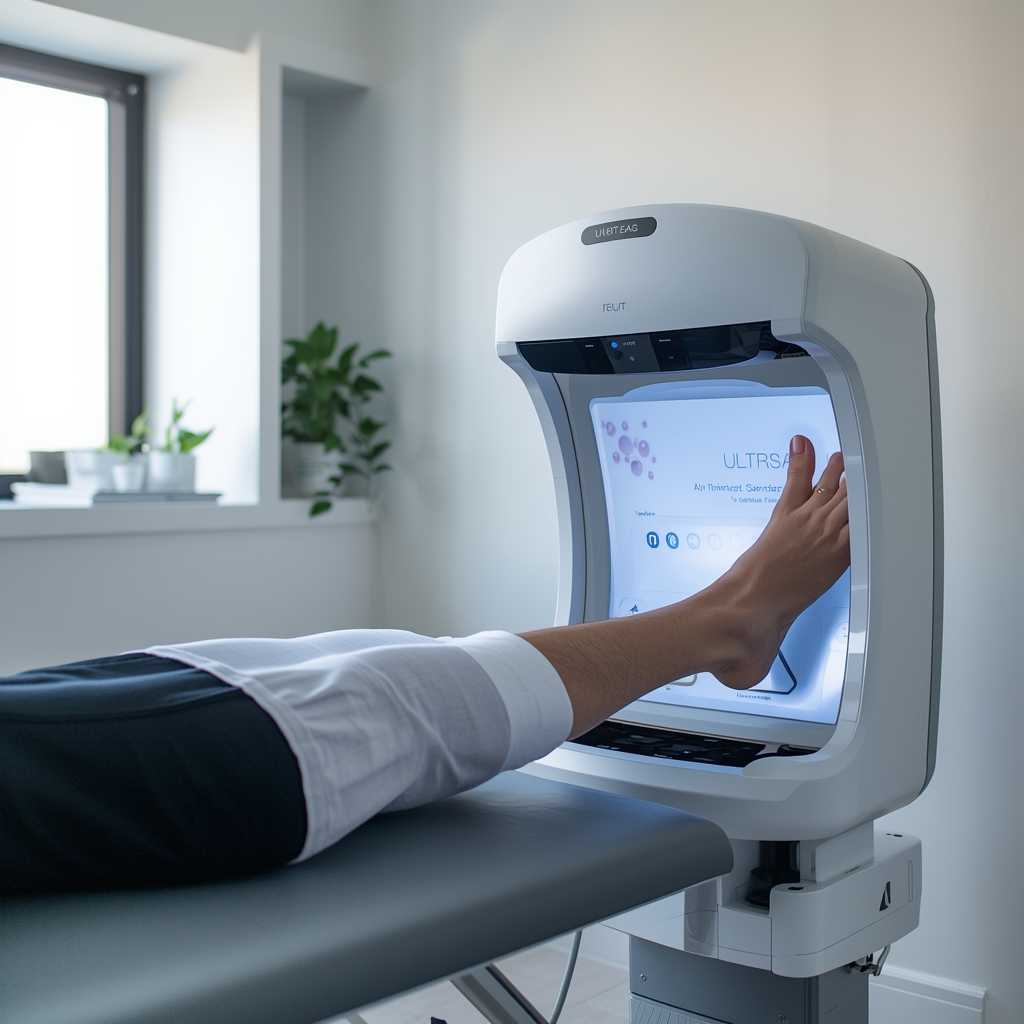
Understanding Ultrasound Therapy for Achilles Tendonitis
Ultrasound therapy is a non-invasive treatment that uses high-frequency sound waves to promote healing in soft tissues. For athletes with Achilles tendonitis, this modality can help reduce inflammation, improve blood flow, and accelerate tissue repair. The therapy works by creating a gentle heat within the affected area, which may enhance collagen production and break down scar tissue. While not a standalone solution, ultrasound therapy is often used alongside other interventions like stretching, physical therapy, and chiropractic care. Its effectiveness depends on factors such as the severity of the condition, the athlete’s overall health, and the specific protocol employed. Proper application by a trained professional ensures safety and optimal outcomes. Athletes seeking relief from chronic or acute Achilles pain should consult a chiropractor to determine if ultrasound therapy aligns with their recovery plan.
Key Ultrasound Protocols for Tendon Repair
Several ultrasound protocols are commonly used to address Achilles tendonitis, with variations in frequency, intensity, and duration. Continuous ultrasound delivers steady sound waves to generate heat, while pulsed ultrasound alternates between on and off cycles, minimizing thermal effects. Research suggests that pulsed ultrasound may be more effective for acute inflammation, whereas continuous waves could benefit chronic cases. Frequencies typically range between 1-3 MHz, with lower frequencies penetrating deeper into tissues. Treatment sessions usually last 5-10 minutes, but the exact parameters depend on the athlete’s condition and the practitioner’s assessment. Some protocols combine ultrasound with other techniques, such as phonophoresis, to enhance medication delivery. While these approaches show promise, individual responses vary, and a personalized plan is essential for maximizing results.
Optimizing Frequency and Duration of Treatments
The frequency and duration of ultrasound therapy sessions are critical to its success in treating Achilles tendonitis. Most protocols recommend 2-3 sessions per week, spaced 48-72 hours apart to allow tissues to respond. Prolonged or excessive use may lead to overheating or tissue damage, so adherence to guidelines is crucial. For acute cases, shorter, more frequent sessions might be beneficial, while chronic conditions may require longer durations with gradual intensity adjustments. Athletes should monitor their symptoms and communicate with their chiropractor to refine the schedule. Consistency is key, but overuse can hinder recovery. Combining ultrasound with rest, ice, and gradual return to activity helps prevent re-injury. A skilled practitioner will tailor the protocol to the athlete’s needs, balancing therapeutic benefits with safety.
Integrating Ultrasound with Other Therapeutic Approaches
Ultrasound therapy is most effective when integrated with complementary treatments for Achilles tendonitis. Chiropractors often combine it with manual adjustments to improve joint mobility and reduce compensatory strain on the tendon. Physical therapy exercises, such as eccentric strengthening and stretching, can enhance flexibility and strength, supporting long-term recovery. In some cases, adjuncts like dry needling, massage, or kinesio taping may be used to address muscle imbalances or trigger points. Athletes should also prioritize proper footwear, orthotics, and activity modification to prevent recurrence. A multidisciplinary approach ensures that all contributing factors are addressed, promoting faster healing and reducing the risk of re-injury. Collaboration between healthcare providers is essential to create a cohesive treatment strategy.
Considerations for Athletes Using Ultrasound Therapy
Athletes undergoing ultrasound therapy for Achilles tendonitis must consider individual factors that influence treatment outcomes. The severity of the tendonitis, the athlete’s training load, and the presence of other injuries can affect how the body responds to therapy. Overtraining or inadequate rest may limit the effectiveness of ultrasound, making it vital to balance treatment with recovery protocols. Additionally, athletes should be aware of potential contraindications, such as open wounds, infections, or certain medical conditions, which may require avoiding ultrasound. Regular assessments by a chiropractor help track progress and adjust the protocol as needed. Open communication between the athlete and provider ensures that the treatment remains aligned with the athlete’s goals and lifestyle, fostering a safe and effective recovery process.
Conclusion: Tailoring Ultrasound Therapy for Optimal Recovery
Ultrasound therapy offers a valuable tool for managing Achilles tendonitis in athletes, but its success hinges on proper application and individualized care. While research supports its role in reducing inflammation and promoting tissue healing, results vary based on protocol choices and patient compliance. Athletes should work closely with chiropractors to develop a comprehensive plan that addresses their unique needs and goals. Combining ultrasound with other therapies, such as physical therapy and lifestyle adjustments, enhances its effectiveness. As with any treatment, ongoing evaluation and adaptation are essential for long-term success. By prioritizing professional guidance and holistic care, athletes can optimize their recovery and return to activity safely.















