
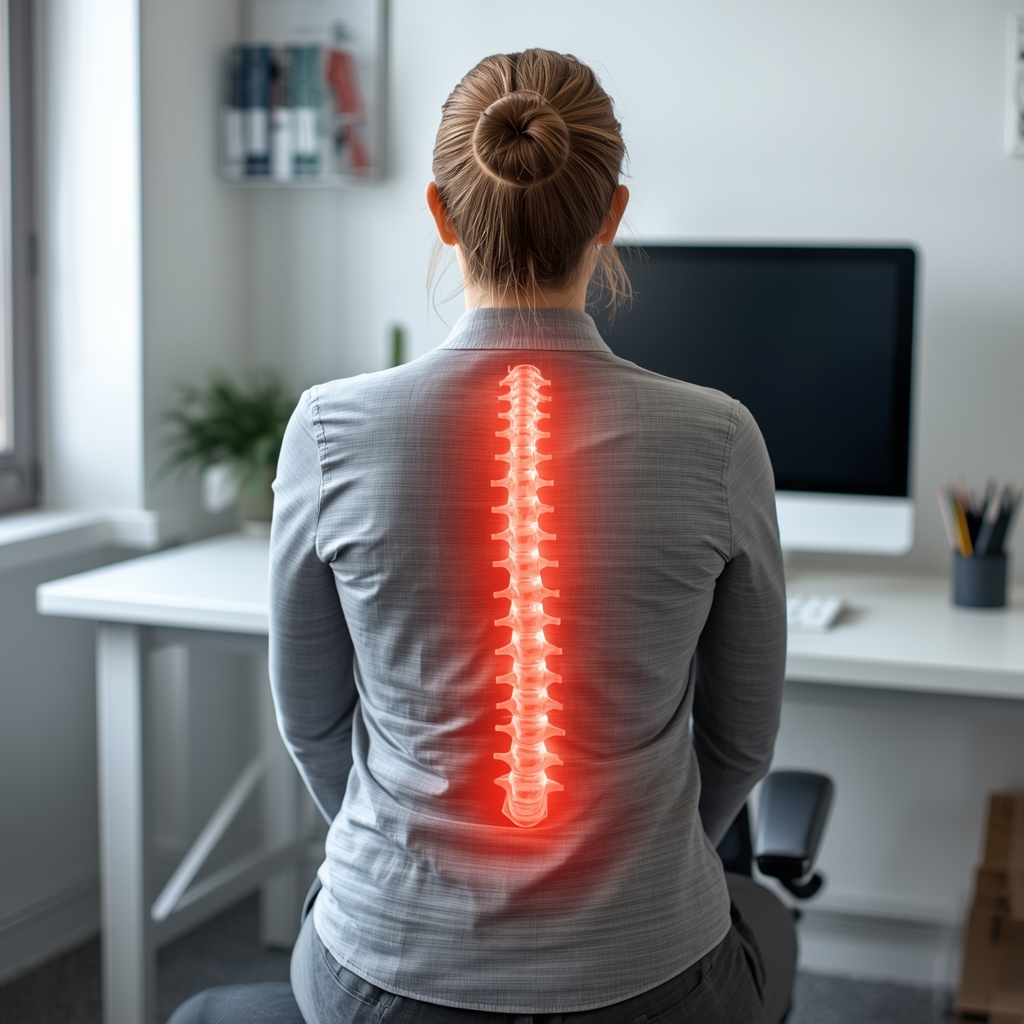
Understanding Thoracic Outlet Syndrome in Office Workers
Thoracic Outlet Syndrome (TOS) occurs when nerves or blood vessels in the thoracic outlet—between the neck and armpit—become compressed. Office workers are particularly vulnerable due to prolonged sitting, poor posture, and repetitive movements. Symptoms like arm pain, numbness, and fatigue often stem from musculoskeletal imbalances or nerve irritation. While TOS can have multiple causes, spinal misalignments or soft tissue restrictions may contribute to its persistence. Addressing these issues through targeted spinal manipulation may offer relief, but it’s essential to approach treatment with a holistic understanding of the patient’s lifestyle and ergonomic habits.
The Role of Spinal Manipulation in TOS Relief
Spinal manipulation, a core chiropractic technique, aims to restore proper alignment and function to the spine. For office workers, misalignments in the cervical or thoracic regions may exacerbate TOS by altering nerve pathways or compressing blood vessels. Adjustments can help reduce tension in the surrounding muscles, improve joint mobility, and alleviate pressure on affected structures. However, the effectiveness of these techniques depends on accurate diagnosis and tailored approaches. Chiropractors often combine manipulation with soft tissue work or postural re-education to address the multifaceted nature of TOS. Patients should consult a qualified provider to determine the most suitable strategies for their specific condition.
Common Spinal Techniques for TOS Symptom Management
Chiropractors may employ various spinal manipulation methods to address TOS. The Diversified Technique, involving high-velocity, low-force adjustments, is frequently used to correct spinal misalignments. The Gonstead Method focuses on precise, instrument-assisted adjustments to target specific areas of restriction. Soft tissue therapies like Active Release Technique (ART) can also relieve muscle tightness contributing to nerve compression. While these methods are widely practiced, their efficacy for TOS is often supported by clinical experience rather than specific studies. Office workers may find relief through a combination of these approaches, but individual responses can vary significantly.
Ergonomics and Posture: Complementary Factors
Spinal manipulation alone may not fully resolve TOS without addressing underlying ergonomic and postural issues. Office workers often adopt slouched postures or repetitive hand movements that strain the thoracic outlet. Adjusting workstations, using supportive chairs, and taking regular movement breaks can reduce symptom triggers. Chiropractors may also recommend corrective exercises to strengthen postural muscles and improve flexibility. Integrating these lifestyle changes with spinal care can enhance long-term outcomes. For example, correcting forward head posture through targeted stretches may reduce nerve compression, complementing the effects of adjustments. A multidisciplinary approach is often key to managing TOS effectively.
When to Seek Professional Guidance
While spinal manipulation may help alleviate TOS symptoms, it’s crucial to consult a licensed chiropractor for personalized care. Self-treatment or unqualified interventions risk worsening the condition or causing unintended harm. A chiropractor can perform a thorough evaluation to identify the root causes of TOS and develop a tailored plan. This may include adjustments, soft tissue work, ergonomic recommendations, or referrals to other specialists if needed. Office workers should also communicate any changes in symptoms or concerns about their treatment to ensure safety and effectiveness. Professional guidance ensures that care aligns with established chiropractic principles and patient-specific needs.
Conclusion: Balancing Techniques and Lifestyle
For office workers dealing with TOS, spinal manipulation can be a valuable component of a broader treatment strategy. Techniques like Diversified adjustments or ART may help relieve nerve and muscle-related symptoms, but their success often depends on addressing ergonomic and postural factors. Patients should view these interventions as part of a holistic approach that includes lifestyle modifications and professional oversight. By combining targeted care with proactive habits, individuals can better manage TOS and reduce its impact on daily activities. Always discuss treatment options with a qualified chiropractor to ensure they are safe and appropriate for your condition.














