
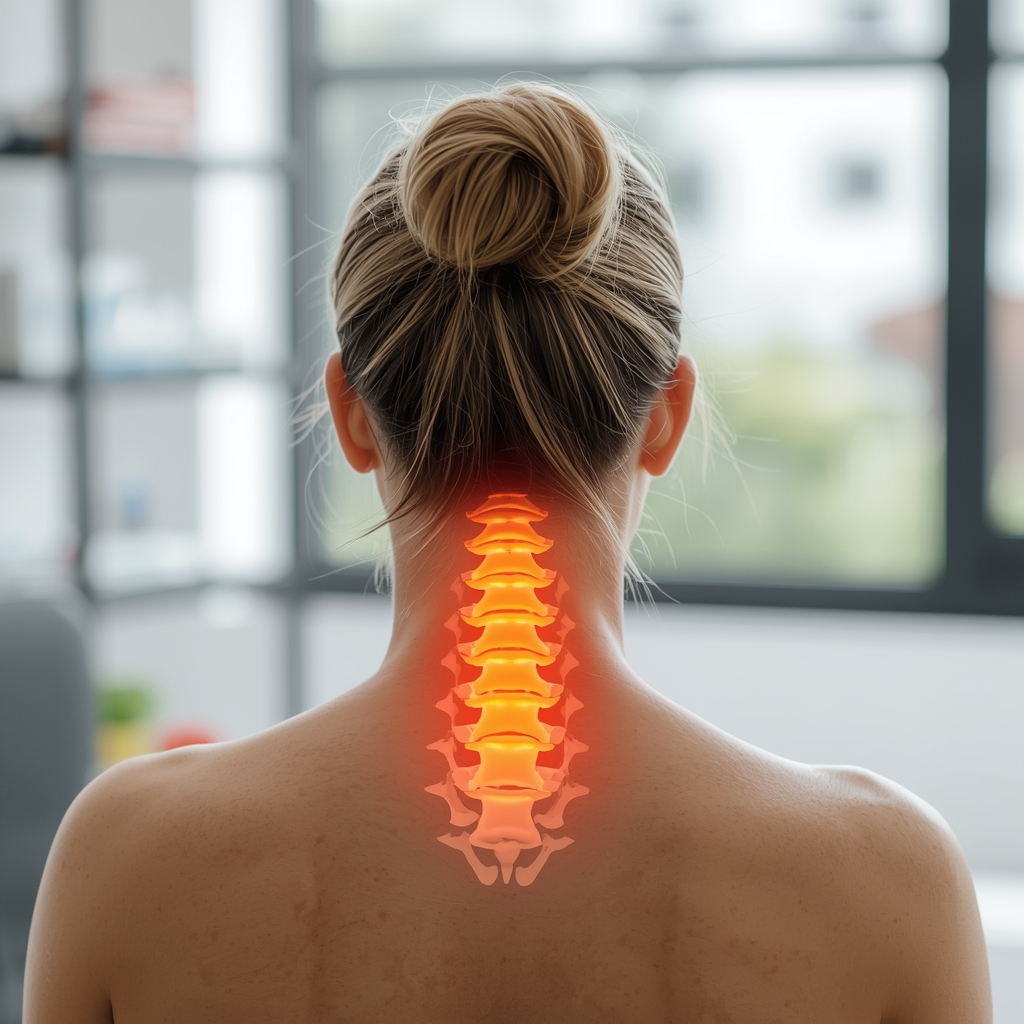
Understanding Degenerative Disc Disease in the Cervical Spine
Degenerative disc disease (DDD) of the cervical spine involves the gradual breakdown of intervertebral discs, leading to pain, stiffness, and reduced mobility. While aging is a primary factor, repetitive strain or injury can accelerate the process. Non-surgical approaches focus on managing symptoms, improving function, and slowing progression. Chiropractic care is often explored as a conservative option, emphasizing spinal alignment, soft tissue therapy, and rehabilitative strategies. Patients seeking alternatives to surgery may find these methods helpful, but it’s crucial to consult a licensed chiropractor for personalized guidance. Understanding the condition and available treatments is the first step in developing an effective management plan.
Spinal Manipulation Techniques for Cervical DDD
Spinal manipulation, a cornerstone of chiropractic care, aims to restore joint mobility and reduce nerve irritation. Techniques like diversified manipulation, activator methods, and flexion-distraction are commonly used for cervical DDD. Diversified adjustments involve manual thrusts to realign vertebrae, while activator tools deliver controlled, low-force impulses. Flexion-distraction, often used for disc-related issues, gently stretches the spine to decompress discs and alleviate pressure. These techniques may help reduce pain and improve range of motion, though their effectiveness varies by individual. A chiropractor evaluates each case to determine the most suitable approach, ensuring safety and alignment with the patient’s needs.
Rehabilitation Protocols to Support Cervical Spine Health
Rehabilitation programs for cervical DDD often combine therapeutic exercises, posture correction, and lifestyle modifications. Strengthening the neck and upper back muscles through targeted exercises can stabilize the spine and reduce strain on degenerated discs. Physical therapists may recommend isometric exercises, cervical traction, or low-impact aerobic activities to enhance flexibility and endurance. Ergonomic adjustments, such as proper desk setup or sleep positioning, also play a role in symptom management. Patients are encouraged to maintain regular movement to prevent stiffness, but overexertion should be avoided. These protocols work best when integrated with spinal care, creating a holistic approach to long-term spinal health and functional improvement.
How These Approaches Improve Quality of Life
By addressing pain and mobility limitations, non-surgical interventions for cervical DDD can significantly enhance daily functioning and overall well-being. Reduced pain allows for better sleep, improved mood, and increased participation in activities. Spinal manipulation and rehab protocols may also decrease reliance on medications or invasive procedures, offering a more natural path to recovery. Patients often report greater ease in performing tasks like lifting, bending, or working at a desk. Additionally, improved posture and muscle strength contribute to long-term spinal resilience. While results vary, many find these strategies empower them to manage symptoms effectively and maintain an active lifestyle.
Considerations for Safe and Effective Care
While non-surgical treatments for cervical DDD are generally safe, they require careful implementation. Patients should seek care from licensed chiropractors with experience in spinal conditions, ensuring proper technique and monitoring. Certain methods, like high-velocity adjustments, may not suit everyone, particularly those with osteoporosis or severe spinal instability. Communication with healthcare providers is essential to coordinate care and avoid conflicts with other treatments. It’s also important to recognize that these approaches may not eliminate all symptoms but can complement broader management plans. Regular follow-ups and adjustments to the care strategy help optimize outcomes and minimize risks.
Collaborative Care and Long-Term Management
Managing cervical DDD often involves a team approach, combining chiropractic care with other therapies like physical therapy, pain management, or lifestyle coaching. Open dialogue between patients and providers ensures treatments align with individual goals and preferences. Long-term success depends on consistent adherence to recommended protocols and periodic reassessment. Patients may need to adapt strategies as their condition evolves, highlighting the importance of flexibility in care plans. By prioritizing education and proactive management, individuals can navigate the challenges of DDD with greater confidence and resilience, fostering sustained improvements in health and quality of life.














