
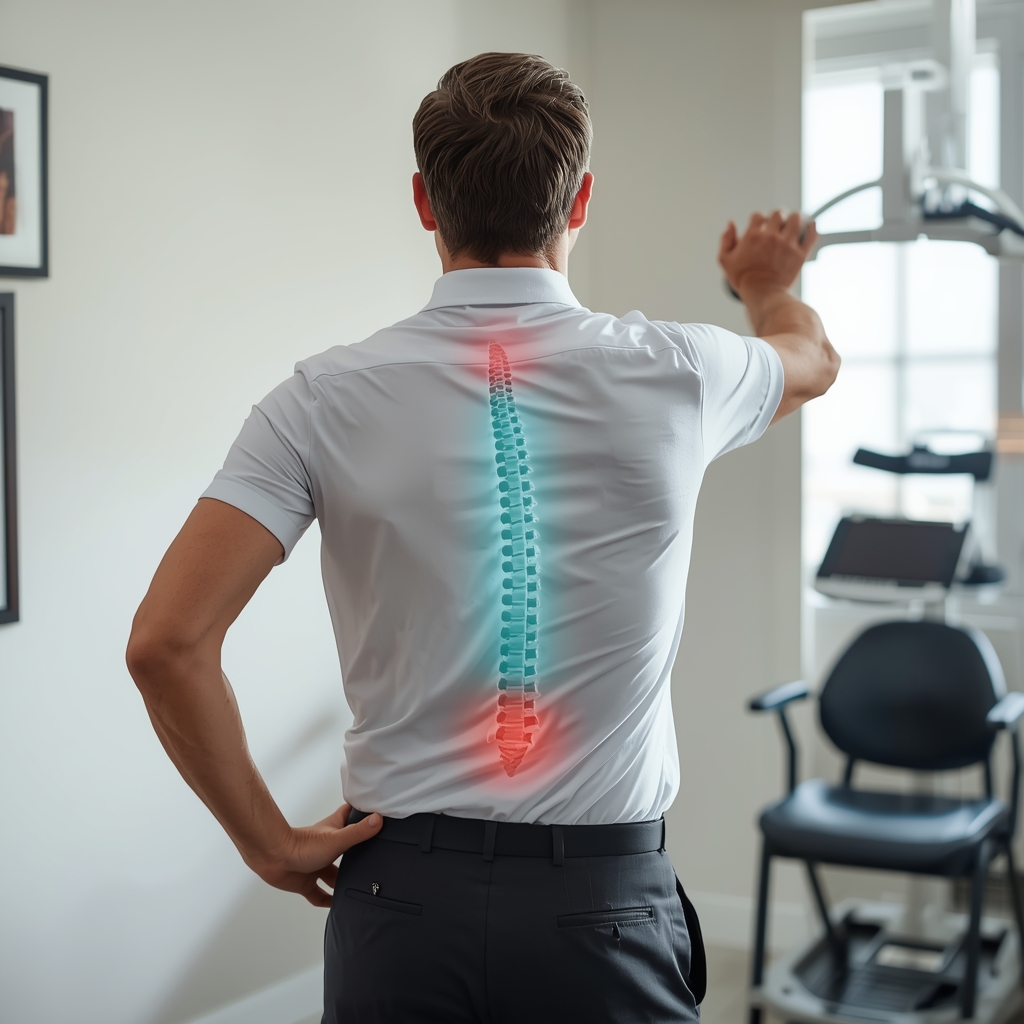
Understanding the Link Between Spinal Health and Golf Performance
Spinal health is foundational to optimal golf performance, as the sport demands precise movements, rotational forces, and repetitive motion. A misaligned spine can disrupt biomechanics, leading to inefficiencies in the swing and increased injury risk. Chiropractors focus on identifying spinal irregularities through targeted assessments, such as posture analysis and range-of-motion tests, to ensure the spine supports the dynamic demands of golf. By addressing spinal imbalances, chiropractors help athletes maintain stability, flexibility, and power during play. This proactive approach not only prevents injuries but also enhances overall athletic performance, making spinal health a critical component of a golfer’s training regimen.
Key Joint Assessments for Golfers
Golf involves complex interactions between multiple joints, including the hips, shoulders, and knees. Chiropractors evaluate these areas for mobility, alignment, and functional integrity, as restrictions in any joint can compromise swing mechanics. For example, limited hip rotation may force excessive spinal torque, increasing strain on the lower back. Similarly, shoulder stiffness can alter the swing path, leading to compensatory movements. By using tools like goniometry and functional movement screens, chiropractors identify joint dysfunctions early. Addressing these issues through adjustments or corrective exercises helps restore natural movement patterns, reducing injury risk and improving swing efficiency.
Swing Mechanics Analysis and Chiropractic Care
Chiropractors collaborate with golf instructors to analyze swing mechanics, identifying how spinal and joint health impacts movement efficiency. A golfer’s swing relies on coordinated muscle activation and joint stability, which can be disrupted by misalignments or imbalances. Through video analysis and physical assessments, chiropractors detect compensatory patterns, such as excessive lateral bending or rotational stiffness. Tailoring care to these findings, they may employ spinal adjustments, soft tissue therapies, or corrective exercises to restore optimal function. This integrated approach ensures that chiropractic interventions align with the athlete’s specific biomechanical needs, enhancing both performance and injury prevention.
Personalized Care Plans for Athletes
Each golfer’s body is unique, requiring individualized care plans that address their specific biomechanical needs. Chiropractors develop these plans by combining assessment results with the athlete’s goals, swing style, and injury history. For instance, a player with a history of lower back pain may benefit from targeted spinal adjustments and core-strengthening exercises. Others might need joint mobilization or neuromuscular re-education to correct movement imbalances. By regularly reassessing and adjusting these plans, chiropractors ensure ongoing support for the athlete’s evolving needs. This personalized strategy not only prevents injuries but also empowers golfers to perform at their best with confidence.
Preventive Strategies for Golf-Related Injuries
Prevention is key in golf injury management, and chiropractors play a vital role in developing proactive strategies. Regular spinal and joint assessments help detect early signs of wear or dysfunction, allowing for timely intervention. Chiropractors may also recommend dynamic warm-ups, flexibility routines, and strength training to support the body’s demands during play. Educating athletes on proper swing techniques and body mechanics further reduces injury risk. By combining these approaches, chiropractors help golfers maintain peak physical condition, minimize downtime, and sustain long-term performance. This holistic focus on prevention underscores the value of chiropractic care in athletic development.
Collaborating with Golf Coaches and Therapists
Effective injury prevention requires a multidisciplinary approach, with chiropractors working alongside golf coaches, physical therapists, and sports scientists. This collaboration ensures that assessments and interventions align with the athlete’s training goals and biomechanical needs. For example, a chiropractor might share findings with a coach to adjust a golfer’s technique, while a physical therapist could design exercises to complement spinal adjustments. Regular communication among professionals allows for a cohesive care plan that addresses both structural and functional aspects of performance. This teamwork not only enhances injury prevention but also fosters a supportive environment for athletes to thrive.













