
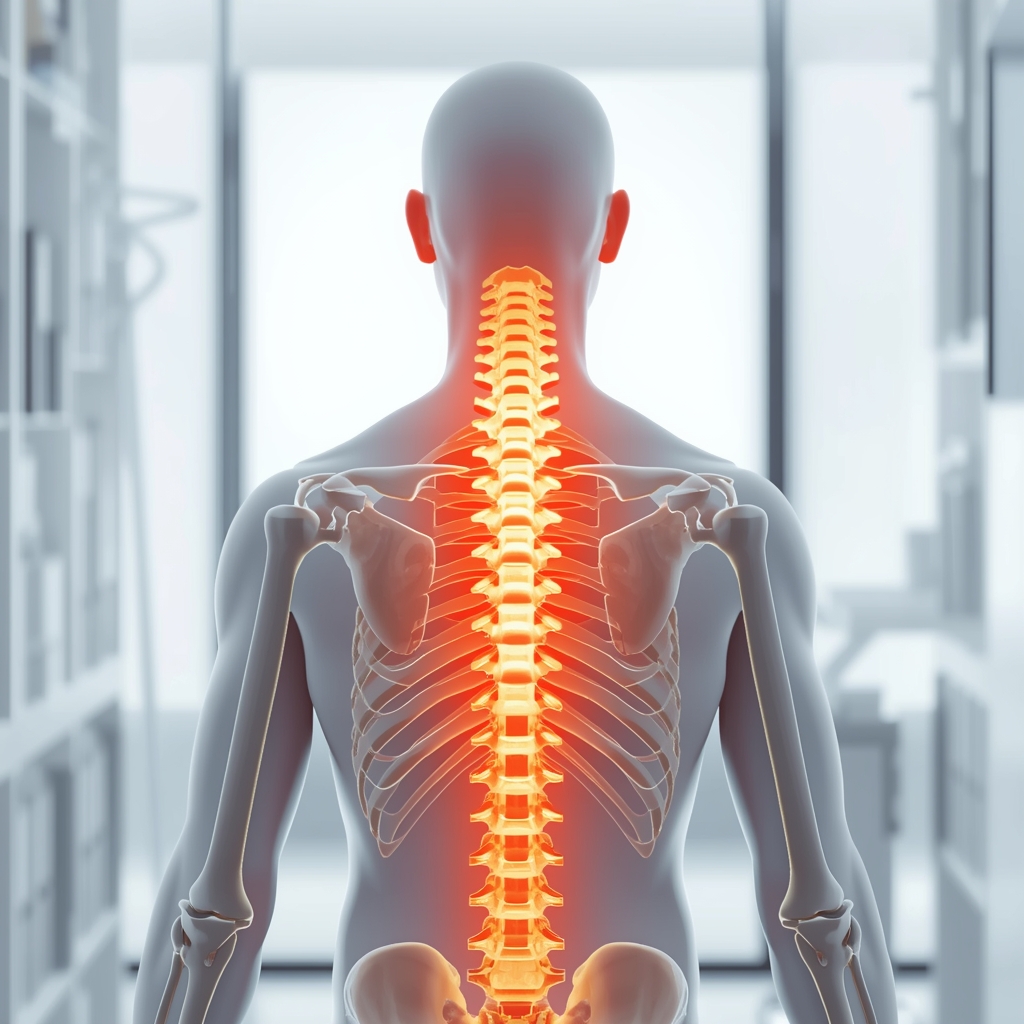
Thoracic Spine Structure and Its Role in Subluxation Formation
The thoracic spine consists of 12 vertebrae (T1-T12) that form the middle segment of the spinal column, uniquely connected to the rib cage. Each thoracic vertebra has facets for rib articulation, creating a stable yet flexible structure. This region’s limited range of motion compared to the cervical or lumbar spine makes it less prone to acute injuries but more susceptible to chronic misalignments. Understanding the interplay between vertebral alignment, rib positioning, and surrounding musculature is critical for identifying subluxations—partial dislocations that disrupt normal biomechanics. Chiropractors must recognize how even minor shifts in thoracic vertebrae can alter spinal curvature, compress nerve pathways, and affect adjacent structures like the thoracic outlet. This foundational knowledge guides diagnostic approaches and treatment strategies tailored to the thoracic region’s unique anatomy.
The Connection Between Thoracic Vertebrae and Nerve Root Function
Each thoracic vertebra houses and protects segments of the spinal cord, with spinal nerves exiting through intervertebral foramina. These nerves branch into sensory and motor pathways, influencing thoracic musculature, internal organs, and the autonomic nervous system. Subluxations in the thoracic spine can compress or irritate these nerve roots, leading to altered signaling between the brain and body. For example, T1-T4 nerve roots are linked to cardiac and respiratory functions, while T5-T12 affect abdominal and gastrointestinal processes. Chiropractors evaluate these connections to determine how misalignments might contribute to symptoms like chest discomfort, digestive issues, or autonomic dysregulation. By addressing thoracic subluxations, practitioners aim to restore proper nerve communication, potentially improving organ function and overall physiological balance.
Impact of Rib Cage Mechanics on Thoracic Spinal Stability
The thoracic spine’s integration with the rib cage creates a rigid framework that protects vital organs but also influences spinal mobility. Ribs attach to thoracic vertebrae via costovertebral joints, and their position affects the spine’s curvature and alignment. Dysfunction in these joints—such as rib subluxations or costochondral inflammation—can indirectly strain the thoracic spine, leading to compensatory postural changes. Chiropractors assess rib mobility and alignment to identify contributing factors to thoracic subluxations. Techniques like thoracic manipulation or soft tissue work may address these issues, reducing pressure on spinal structures and improving overall biomechanics. This holistic approach ensures that treatment extends beyond the vertebrae themselves, considering the interconnected nature of the thoracic region’s anatomy.
Thoracic Subluxations and Their Effects on the Autonomic Nervous System
The thoracic spine is closely associated with the sympathetic nervous system, which regulates involuntary functions like heart rate, digestion, and respiratory rate. Nerves exiting the thoracic vertebrae (T1-T12) innervate organs in the chest and abdomen, making subluxations in this area potentially impactful on autonomic function. For instance, a subluxation at T5 might disrupt signals to the liver or gallbladder, while T8-T10 involvement could affect the pancreas and intestines. Chiropractors consider these connections when diagnosing and treating patients, as correcting thoracic subluxations may help alleviate symptoms linked to autonomic dysregulation. However, the relationship between spinal alignment and internal organ function remains complex, requiring careful evaluation to avoid overgeneralizing treatment outcomes.
Diagnostic Considerations for Thoracic Spinal Misalignments
Diagnosing thoracic subluxations requires a combination of patient history, physical examination, and imaging when necessary. Chiropractors assess posture, range of motion, and tenderness in the thoracic region while checking for asymmetries in rib cage positioning. Palpation of spinous processes and paraspinal muscles helps identify areas of restriction or hypertonicity. Functional assessments, such as observing breathing patterns or assessing thoracic mobility during movement, provide additional insights. While imaging like X-rays or MRI may reveal structural abnormalities, clinical judgment remains central to diagnosis. Chiropractors must differentiate between true subluxations and other conditions causing similar symptoms, ensuring treatments address the root cause without unnecessary interventions.
Therapeutic Approaches for Correcting Thoracic Subluxations
Chiropractors employ various techniques to address thoracic subluxations, focusing on restoring proper alignment and function. Spinal manipulative therapy (SMT) is commonly used to adjust misaligned vertebrae, though the thoracic region’s rigidity requires careful, controlled movements. Soft tissue therapies, such as myofascial release or Active Release Technique (ART), may target tight muscles contributing to subluxations. Additionally, mobilization techniques and posture correction exercises can enhance long-term stability. Treatment plans often combine these methods, with follow-up assessments to monitor progress. Patients are advised to maintain ergonomic habits and engage in corrective exercises to prevent recurrence. Chiropractors emphasize individualized care, as each patient’s anatomy and condition requires a tailored approach to achieve optimal outcomes.













