
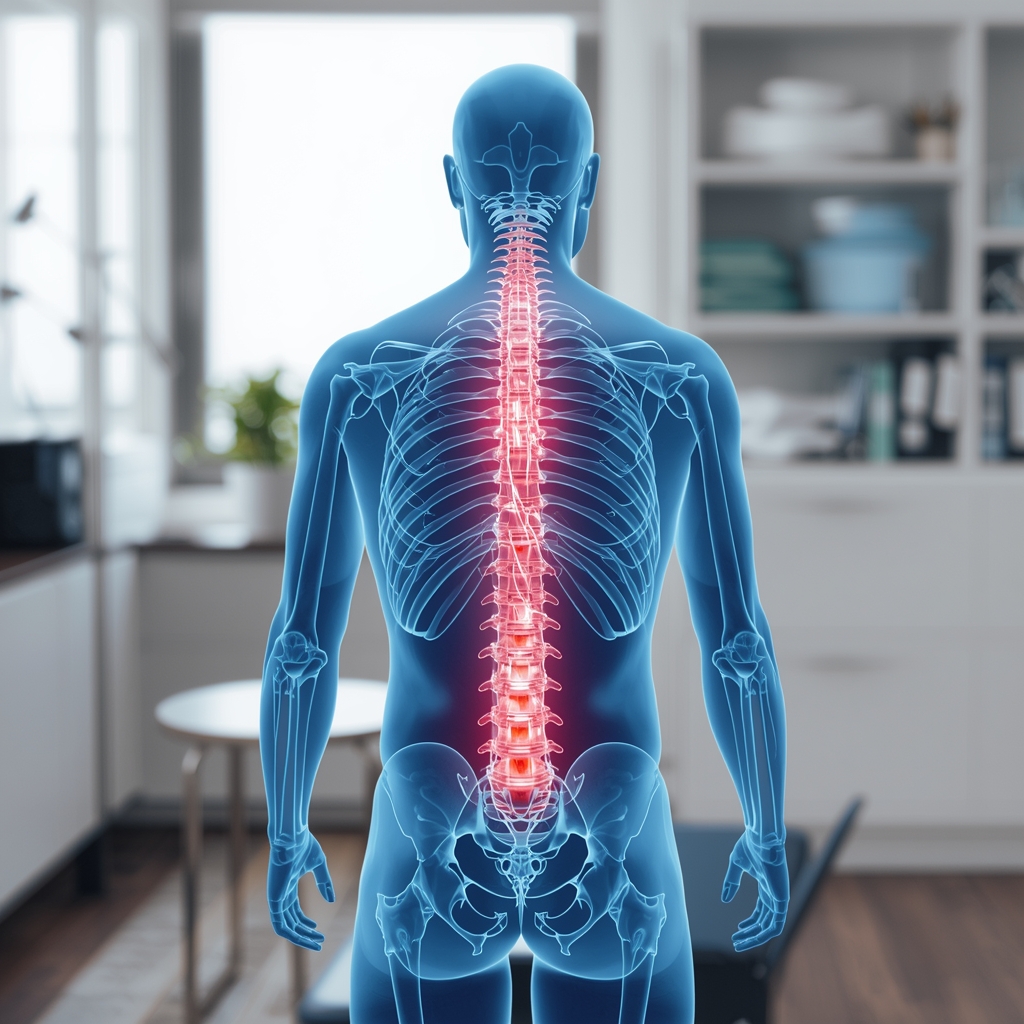
Understanding Chronic Pain and Non-Opioid Alternatives
Chronic pain affects millions, often leading to reliance on opioids for relief. However, the risks of addiction and side effects have driven demand for safer alternatives. Chiropractic care offers non-invasive, drug-free options that address pain at its source. Techniques like spinal adjustments and soft tissue therapies aim to restore function and reduce discomfort without medication. These approaches align with broader medical consensus emphasizing holistic, patient-centered care. While traditional medications may provide quick relief, they often mask symptoms rather than resolve underlying issues. Chiropractic methods focus on the musculoskeletal system, promoting long-term wellness. This article explores effective techniques and their role in modern pain management strategies.
Common Chiropractic Techniques for Chronic Pain
Several chiropractic techniques are widely used for chronic pain, each targeting specific issues. Spinal manipulation, the most recognized method, realigns the spine to alleviate pressure on nerves and muscles. Soft tissue therapies, such as Active Release Technique (ART), address muscle tightness and scar tissue. Decompression therapy uses gentle traction to ease disc-related pain, while trigger point therapy relieves localized muscle knots. Chiropractors may also employ mobilization, heat/cold therapy, or electrical stimulation. These methods are often combined to create personalized treatment plans. By improving alignment and mobility, they reduce inflammation and enhance the body’s natural healing processes. Patients frequently report reduced pain and improved function, though results vary based on individual conditions and consistency of care.
Comparing Chiropractic Care to Traditional Medications
Traditional pain medications, including NSAIDs and opioids, provide symptomatic relief but carry risks like gastrointestinal issues or dependency. Chiropractic care, in contrast, addresses root causes by restoring proper biomechanics. While medications may offer rapid pain reduction, their effects are often temporary. Chiropractic interventions focus on long-term solutions, such as correcting misalignments or strengthening supportive tissues. Studies suggest non-pharmacological approaches can be equally effective for conditions like low back pain, with fewer adverse effects. However, medications remain critical for acute pain or severe cases. A collaborative approach—using chiropractic care alongside medication when needed—may optimize outcomes. Patients should discuss options with healthcare providers to balance efficacy, safety, and personal preferences.
When to Consider Chiropractic Care Over Medications
Chiropractic care may be preferable for patients seeking to minimize medication use or experiencing side effects from drugs. It is particularly beneficial for musculoskeletal conditions, such as back or neck pain, where structural imbalances contribute to discomfort. Individuals with chronic pain that persists despite medication might find relief through targeted adjustments and therapies. However, chiropractic care is not a universal solution. For acute injuries or severe inflammation, medications may still be necessary. A qualified chiropractor can assess a patient’s condition and recommend the most appropriate strategy. Combining chiropractic care with other non-opioid treatments, like physical therapy or lifestyle changes, often yields the best results. Open communication with healthcare providers ensures a safe, integrated approach to pain management.
Safety and Efficacy of Chiropractic Techniques
Chiropractic care is generally safe when performed by licensed professionals, with minimal risks compared to invasive procedures or long-term medication use. Common side effects, such as temporary soreness, are usually mild and short-lived. The efficacy of techniques like spinal manipulation is supported by clinical guidelines for certain conditions, though results vary by individual. Patients should prioritize chiropractors with proper credentials and experience in treating chronic pain. While research continues to evolve, many find chiropractic care effective for reducing pain and improving mobility. It is essential to view these methods as part of a comprehensive plan rather than standalone solutions. Regular follow-ups and adjustments to treatment strategies ensure ongoing safety and effectiveness, tailored to each patient’s needs.
Conclusion: Integrating Chiropractic into Chronic Pain Management
Chiropractic techniques offer valuable, non-opioid options for managing chronic pain, focusing on restoring function and reducing reliance on medication. While they may not replace traditional treatments in all cases, they provide a complementary approach that addresses underlying causes. Patients should consult healthcare providers to determine the best combination of therapies for their specific needs. By prioritizing holistic, evidence-based care, individuals can achieve lasting relief while minimizing risks. As research advances, chiropractic care continues to play a vital role in modern pain management, offering a safer, more sustainable alternative for those seeking long-term wellness.














