
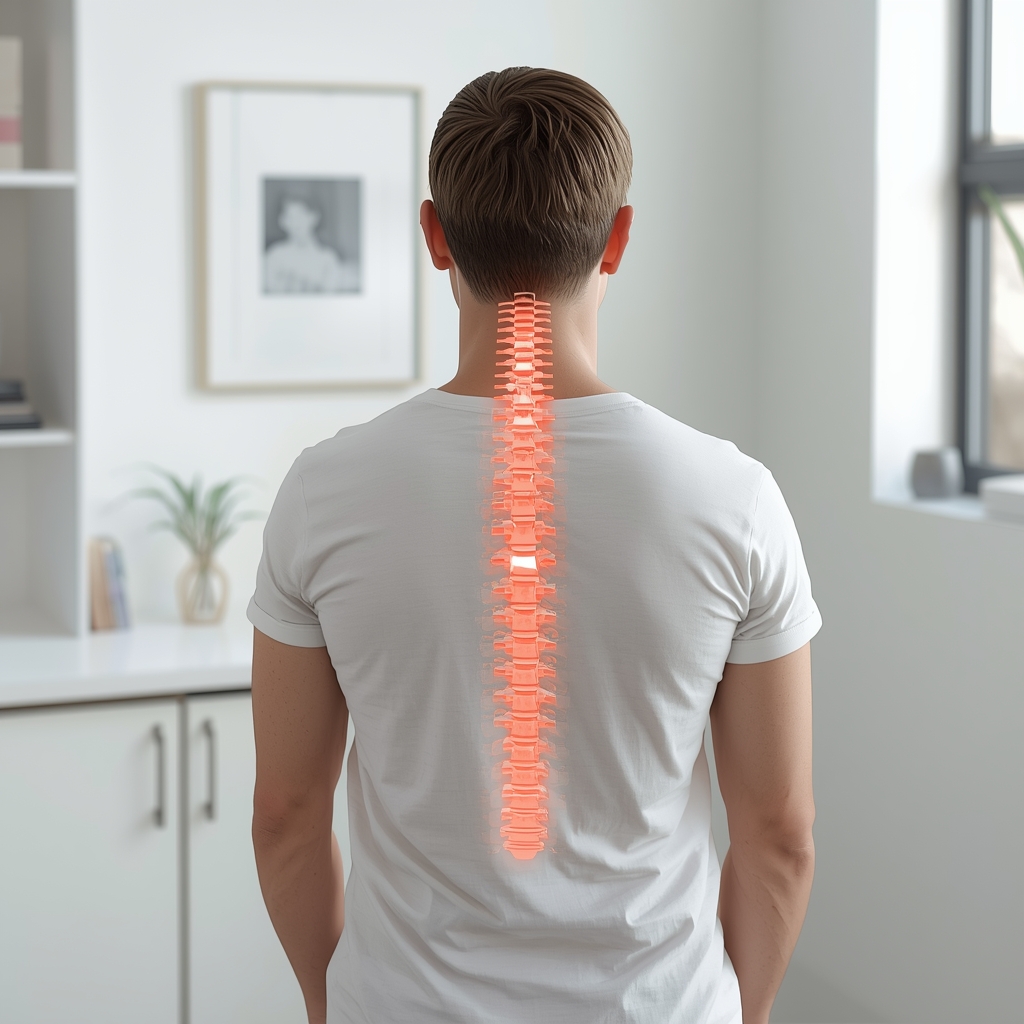
Understanding Thoracic Outlet Syndrome and Postural Reeducation
Thoracic Outlet Syndrome (TOS) occurs when nerves or blood vessels in the thoracic outlet—between the neck and armpit—become compressed. This can lead to pain, numbness, or weakness in the arms and hands. Postural reeducation, a non-invasive approach focusing on correcting improper body alignment, plays a key role in managing TOS. Poor posture, such as slouching or forward head positioning, often exacerbates compression in this area. By addressing these postural imbalances, chiropractors aim to alleviate pressure on affected structures, improving symptoms and preventing recurrence. This method complements traditional treatments like adjustments or physical therapy, offering a holistic strategy for long-term relief.
How Postural Reeducation Addresses TOS Symptoms
Postural reeducation involves identifying and correcting habits that contribute to TOS. For example, rounded shoulders or a hunched back can narrow the thoracic outlet, compressing nerves or blood vessels. Chiropractors use techniques like muscle stretching, strengthening exercises, and ergonomic adjustments to realign the body. These interventions help restore natural spinal curvature and reduce strain on the neck and shoulders. By improving posture, patients often experience reduced pain, better circulation, and enhanced mobility. This approach is particularly beneficial for individuals with sedentary lifestyles or those who perform repetitive tasks, as it targets the root causes of TOS rather than just masking symptoms.
Assessing Individual Postural Needs
Chiropractors begin by evaluating a patient’s posture through physical exams and movement assessments. They observe how the head, shoulders, and spine align during static and dynamic activities. This helps identify specific imbalances, such as excessive thoracic kyphosis or shoulder elevation, that may contribute to TOS. Advanced tools like posture analysis software or gait assessments may also be used. Once identified, the chiropractor develops a tailored plan focusing on corrective exercises, ergonomic adjustments, and lifestyle modifications. This personalized approach ensures that interventions address the unique biomechanics of each patient, optimizing outcomes and minimizing the risk of further complications.
Customizing Treatment Plans for TOS Patients
Treatment plans for TOS are highly individualized, combining postural reeducation with other chiropractic techniques. For instance, a patient with severe nerve compression might receive spinal adjustments alongside posture-specific exercises, while someone with vascular TOS may benefit from a focus on muscle relaxation and circulation improvement. Chiropractors also consider factors like the patient’s daily activities, occupation, and overall health when designing a plan. Regular follow-ups allow for adjustments to the strategy as progress is made. This flexibility ensures that care evolves with the patient’s needs, promoting sustainable recovery and preventing relapse.
The Role of Patient Education and Lifestyle Changes
Education is a cornerstone of postural reeducation for TOS. Chiropractors teach patients how to recognize and correct poor posture during everyday activities, such as sitting at a desk or using a smartphone. They may recommend ergonomic workstations, frequent movement breaks, and specific stretches to maintain proper alignment. Patients are also guided on sleep positions and exercise routines that support spinal health. By empowering individuals to take an active role in their care, chiropractors foster long-term habits that reduce TOS symptoms. This collaborative approach strengthens the patient-provider relationship and enhances the effectiveness of treatment.
Integrating Postural Reeducation with Other Therapies
Chiropractors often combine postural reeducation with other therapies to address TOS comprehensively. For example, soft tissue techniques like massage or Active Release Technique (ART) may relieve muscle tension contributing to nerve compression. Physical therapy exercises can further strengthen postural muscles, while lifestyle modifications ensure sustained improvements. This integrative approach acknowledges that TOS is multifactorial, requiring a combination of strategies for optimal results. By coordinating these methods, chiropractors help patients achieve lasting relief and improved quality of life without relying solely on invasive interventions.














