
Understanding the Graston Technique
The Graston Technique is a form of instrument-assisted soft tissue mobilization designed to break down scar tissue and adhesions in muscles, tendons, and ligaments. It uses specialized tools to detect and treat areas of restricted movement, promoting healing and improving mobility. This method is often used by chiropractors and physical therapists to address chronic musculoskeletal conditions. By targeting specific areas of tension, the Graston Technique aims to restore normal function and reduce pain. It is particularly popular among athletes and individuals with repetitive strain injuries, as it can enhance recovery and prevent further damage. The technique is typically part of a broader treatment plan that may include exercise, stretching, and other therapeutic interventions.
Chronic Achilles Tendinopathy in Runners
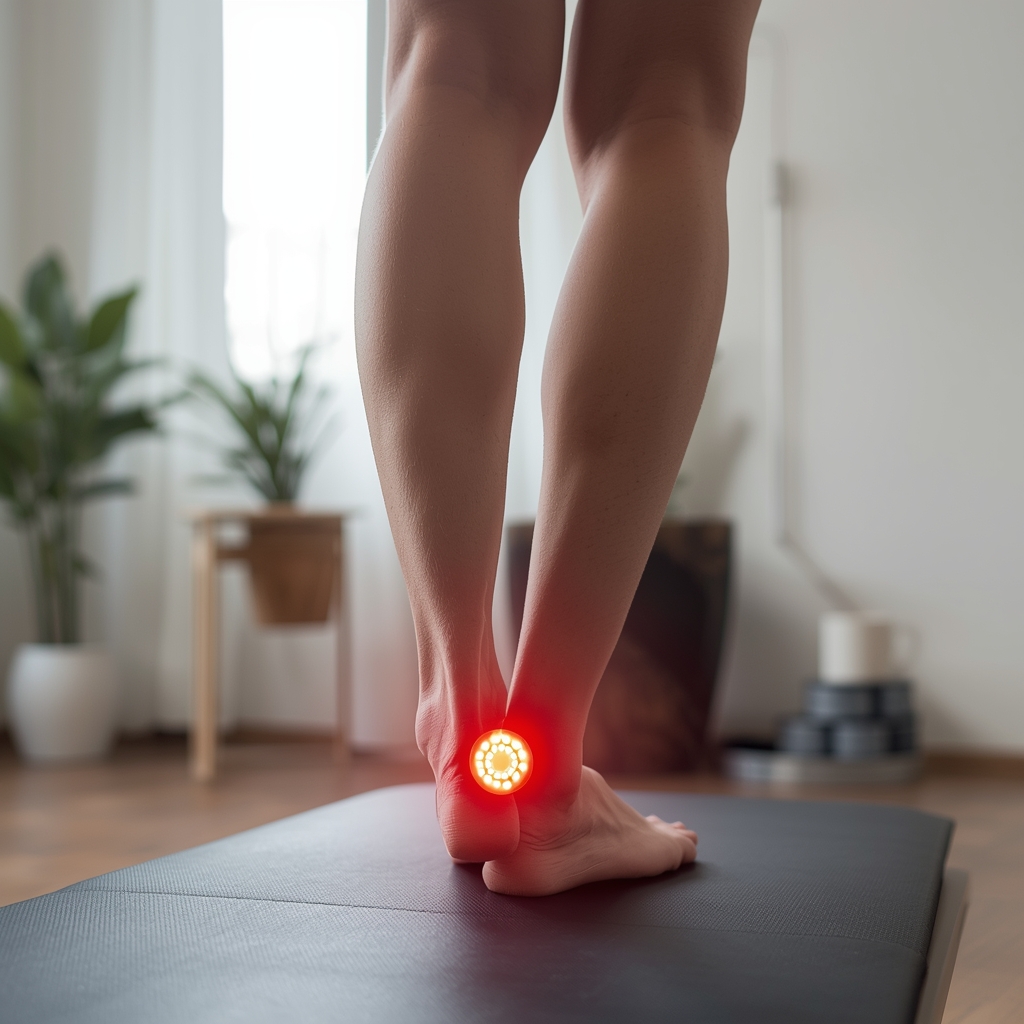
Chronic Achilles tendinopathy is a common overuse injury among runners, characterized by persistent pain and stiffness in the Achilles tendon. This condition often results from repetitive stress, poor biomechanics, or inadequate recovery. Symptoms may include swelling, tenderness, and reduced flexibility, which can hinder performance and daily activities. Traditional treatments focus on rest, ice, and physical therapy, but some cases require more targeted approaches. Runners with this condition may experience setbacks despite conventional care, prompting the exploration of alternative therapies. The Achilles tendon's location and function make it vulnerable to chronic issues, emphasizing the need for effective, long-term solutions. Understanding the underlying causes and contributing factors is crucial for developing a comprehensive treatment strategy.
Application of the Graston Technique for Achilles Tendinopathy
When applied to chronic Achilles tendinopathy, the Graston Technique focuses on the affected tendon and surrounding soft tissues to reduce adhesions and improve circulation. Practitioners use the tools to gently massage and mobilize the area, addressing scar tissue that may hinder healing. This process can help restore the tendon's natural elasticity and reduce pain. The technique is often combined with stretching exercises to enhance flexibility and prevent re-injury. For runners, this approach may offer a non-invasive option to manage symptoms and support recovery. However, the effectiveness can vary depending on the severity of the condition and individual response. A qualified chiropractor can assess whether the Graston Technique is suitable and tailor the treatment to the patient's needs.
Potential Benefits and Evidence
While research on the Graston Technique's efficacy for Achilles tendinopathy is limited, some studies suggest it may help reduce pain and improve function in individuals with chronic soft tissue injuries. The technique's ability to break down scar tissue and stimulate blood flow could contribute to faster recovery. Many practitioners report positive outcomes when integrating the Graston Technique into treatment plans, though results are not guaranteed. Patients often describe reduced discomfort and increased mobility after sessions, which can be beneficial for runners seeking to maintain activity levels. However, it is essential to approach this therapy as part of a multidisciplinary approach, combining it with other evidence-based interventions. Ongoing research is needed to establish more definitive guidelines for its use in specific conditions.
Considerations and Precautions
Before pursuing the Graston Technique for Achilles tendinopathy, it is crucial to consult a qualified healthcare provider to ensure it aligns with the individual's condition. The technique may not be suitable for all cases, particularly those involving acute inflammation or severe tendon damage. Patients should discuss their medical history and current symptoms to avoid potential risks. While generally safe, the Graston Technique can cause temporary discomfort or bruising in some instances. It is also important to recognize that results vary, and multiple sessions may be required for noticeable improvement. Runners should prioritize proper diagnosis and a comprehensive treatment plan, as self-treatment or unqualified practitioners could exacerbate the issue. Always seek guidance from a licensed chiropractor or physical therapist.
Conclusion and Next Steps
The Graston Technique offers a potential option for managing chronic Achilles tendinopathy in runners by addressing soft tissue restrictions and promoting healing. While not a standalone solution, it can complement other therapies to enhance recovery and functionality. Individuals experiencing persistent Achilles pain should consult a chiropractor to explore suitable treatment avenues. A personalized approach, combining the Graston Technique with exercises and lifestyle adjustments, may yield the best results. As with any therapeutic intervention, open communication with healthcare providers is essential to monitor progress and make necessary adjustments. By staying informed and proactive, runners can take steps toward long-term relief and improved performance.















