
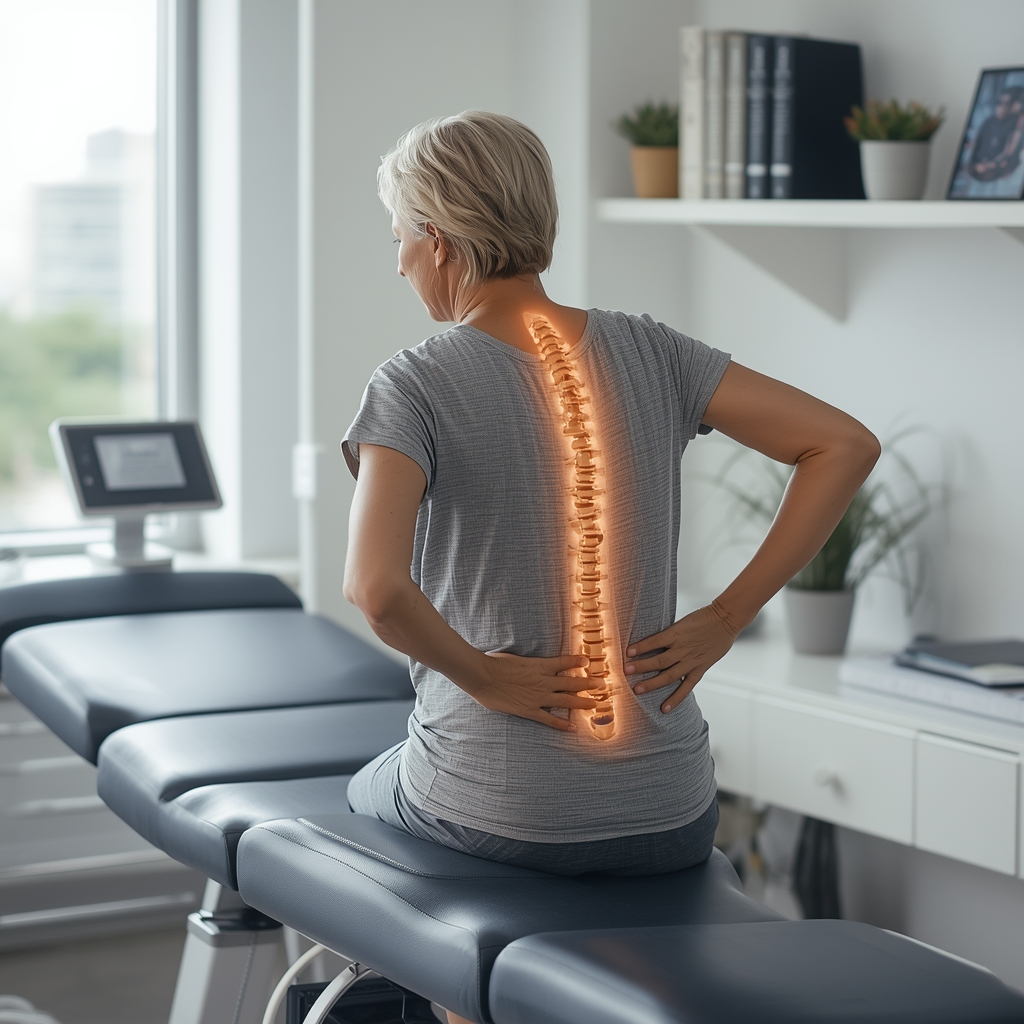
What Is the Activator Method Instrument?
The Activator Method Instrument is a handheld device used in chiropractic care to deliver controlled, low-force adjustments to the spine and joints. Unlike traditional manual adjustments, which rely on the practitioner’s hands and applied force, the Activator uses a spring-loaded mechanism to provide precise, targeted impulses. This tool is particularly valued for its ability to address spinal misalignments with minimal physical strain, making it a popular choice for patients who prefer or require gentler care. Its design allows for consistent pressure and depth, reducing the risk of overcorrection or discomfort. The instrument is often used in conjunction with a patient’s specific condition, ensuring adjustments align with their unique needs. For geriatric patients, who may have reduced bone density or mobility, the Activator Method offers a safer alternative to more forceful techniques.
How the Activator Method Works
The Activator Method Instrument operates by delivering a quick, controlled thrust to specific areas of the spine or joints. The device’s spring-loaded mechanism ensures a consistent force, which can be adjusted based on the patient’s size, condition, and comfort level. During an adjustment, the chiropractor identifies areas of restricted movement or misalignment and applies the instrument to those points. The rapid, targeted impulse helps to restore proper alignment without requiring the practitioner to use their hands for manual manipulation. This method is especially beneficial for patients with sensitive or fragile musculoskeletal systems, as it minimizes the risk of injury. The precision of the Activator allows for adjustments to be made in hard-to-reach areas, such as the upper cervical spine, where traditional techniques might be less effective. By focusing on specific points, the tool can address subluxations (partial dislocations) with greater accuracy, promoting improved mobility and function.
Benefits for Geriatric Patients
For older adults, the Activator Method Instrument provides a gentler approach to spinal adjustments, which is crucial for those with age-related conditions like osteoporosis, arthritis, or decreased muscle strength. The low-force nature of the tool reduces the risk of aggravating existing injuries or causing discomfort during treatment. Many geriatric patients experience heightened sensitivity to manual adjustments, making the Activator a more comfortable option. Additionally, the device’s precision helps avoid unnecessary pressure on fragile joints and bones, supporting safer care. This method can also be beneficial for patients with chronic pain or limited mobility, as it allows for targeted corrections without requiring extensive movement. By offering a non-invasive, patient-centered approach, the Activator Method supports the unique needs of older adults, promoting better spinal health and overall well-being. Its use can contribute to improved posture, reduced pain, and enhanced quality of life for senior patients seeking chiropractic care.
Comparing the Activator Method to Traditional Adjustments
The Activator Method differs significantly from traditional manual adjustments, which rely on the chiropractor’s hands and physical force to realign the spine. While manual adjustments can be effective, they may not always be suitable for older adults or individuals with specific health concerns. The Activator’s controlled, low-force approach minimizes the risk of strain or injury, making it a preferred option for patients with osteoporosis, joint instability, or other conditions that limit their ability to tolerate traditional techniques. Additionally, the instrument’s precision allows for adjustments to be made with greater consistency, reducing the variability that can occur with manual methods. However, it’s important to note that the Activator is not a replacement for all manual techniques but rather a complementary tool. Chiropractors often combine the Activator with other methods to tailor care to each patient’s needs. This adaptability ensures that geriatric patients receive the most appropriate and effective treatment possible, balancing safety with therapeutic outcomes.
Clinical Applications in Geriatric Care
The Activator Method Instrument is commonly used in clinical settings to address a range of musculoskeletal issues in older adults. It is particularly effective for treating spinal misalignments, joint dysfunction, and nerve compression that may contribute to pain or mobility challenges. For patients with degenerative conditions like spinal stenosis or herniated discs, the instrument allows for targeted corrections without excessive force, reducing the likelihood of exacerbating symptoms. Its use is also beneficial in managing chronic pain, as it can help alleviate pressure on nerves and improve joint function. In geriatric care, the Activator is often employed to support post-surgical recovery, as it provides a safe way to maintain spinal alignment without placing undue stress on healing tissues. Additionally, the tool can be used to address issues related to posture and balance, which are common concerns among older adults. By offering a versatile and gentle approach, the Activator Method enables chiropractors to deliver effective care that aligns with the unique needs of senior patients.
Conclusion: A Gentle Approach for Senior Spinal Health
The Activator Method Instrument plays a vital role in providing gentle, effective spinal adjustments for geriatric patients. Its low-force, precise nature makes it an ideal option for older adults who may have physical limitations or health conditions that require a more cautious approach. By reducing the risk of injury and discomfort, the tool supports safer care while still addressing spinal misalignments and related issues. Chiropractors can use the Activator in conjunction with other techniques to create personalized treatment plans that meet the specific needs of each patient. For seniors seeking relief from pain, improved mobility, or better overall spinal health, the Activator Method offers a valuable alternative to traditional adjustments. As with any chiropractic treatment, it’s important for patients to consult with a qualified provider to determine if this method is suitable for their condition. Ultimately, the Activator Method exemplifies how specialized tools can enhance the accessibility and effectiveness of chiropractic care for older adults.














