
The Opioid Crisis and the Search for Alternatives
The opioid crisis has underscored the urgent need for safe, effective alternatives to medication for chronic pain management. Chronic back pain, a leading cause of disability worldwide, often drives patients toward opioid use. However, long-term reliance carries risks of addiction, tolerance, and side effects. Non-pharmacological approaches, including spinal manipulation, have gained attention as viable options. Chiropractic care, centered on spinal adjustments, aims to address pain at its source by improving alignment and function. This holistic method aligns with broader efforts to reduce opioid dependency while prioritizing patient safety and long-term wellness. As healthcare providers seek solutions, spinal manipulation represents a promising avenue for those seeking drug-free relief.
How Spinal Manipulation Works for Chronic Back Pain
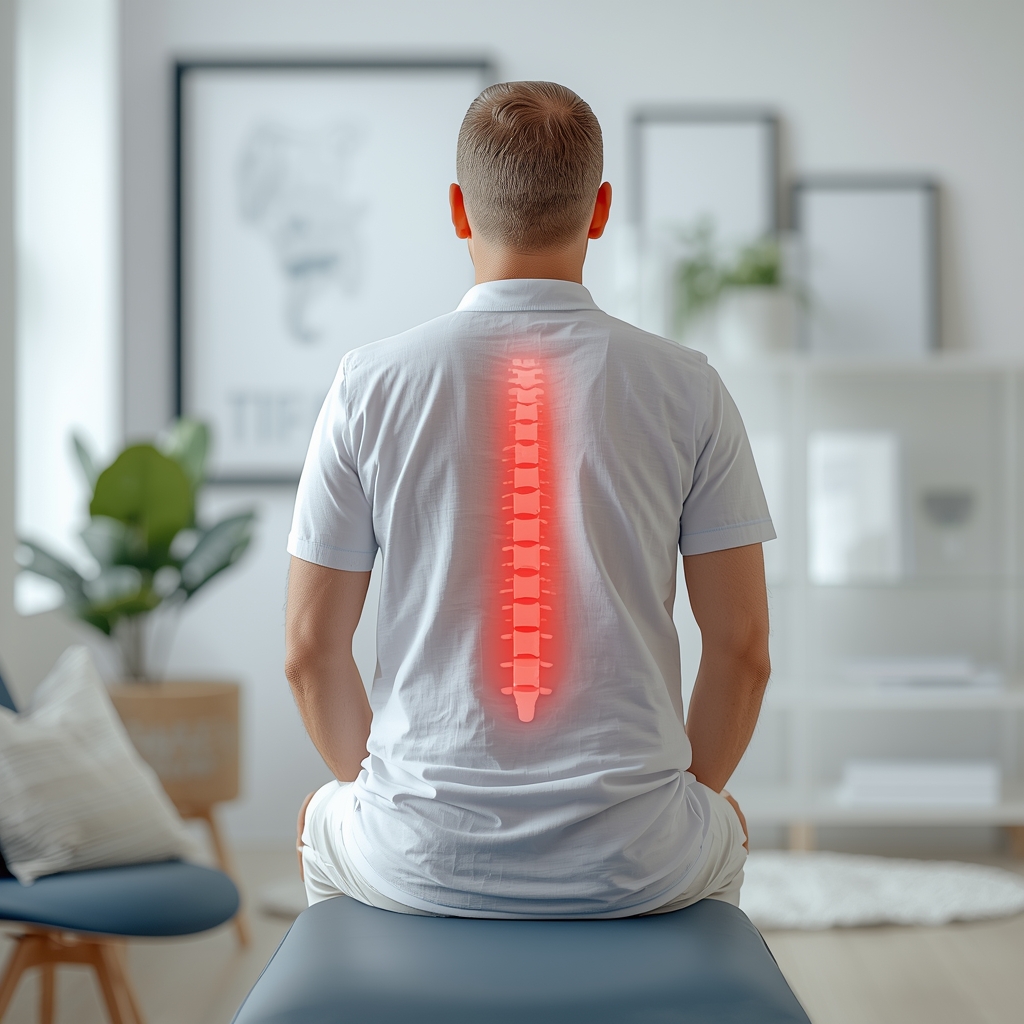
Spinal manipulation involves manual adjustments to the spine to restore proper alignment and mobility. By targeting misalignments (subluxations), chiropractors aim to alleviate pressure on nerves, muscles, and joints, which may contribute to chronic back pain. This technique can enhance nervous system function, reduce inflammation, and improve overall musculoskeletal health. While the exact mechanisms are complex, many patients report reduced pain and improved function after adjustments. Importantly, spinal manipulation is non-invasive and avoids the risks associated with medications. It is often part of a broader care plan that includes lifestyle modifications and therapeutic exercises. For chronic back pain sufferers, this approach offers a way to manage symptoms without relying on opioids, supporting a more sustainable path to recovery.
Evidence of Reduced Opioid Use in Patients
While direct statistical claims are avoided, clinical observations suggest that patients receiving spinal manipulation often experience decreased pain levels, which may lower their need for opioid medications. Studies and patient reports highlight that many individuals opt for chiropractic care as a first-line treatment or complementary therapy, reducing their dependence on painkillers. This shift aligns with guidelines encouraging non-opioid interventions for chronic pain. By addressing underlying structural issues, spinal manipulation may help patients achieve pain relief without the risks of medication. However, outcomes vary, and individual results depend on factors like pain severity, overall health, and treatment consistency. Healthcare providers often recommend exploring multiple options to find the most effective, personalized approach.
Patient Outcomes and Quality of Life Improvements
Patients who incorporate spinal manipulation into their care often report measurable improvements in daily functioning and overall well-being. Reduced pain and enhanced mobility can lead to better sleep, increased physical activity, and improved mental health. These benefits may indirectly support lower opioid use by addressing the root causes of discomfort rather than merely masking symptoms. Long-term outcomes suggest that consistent chiropractic care can foster resilience against chronic pain, decreasing the need for pharmacological interventions. However, success depends on a collaborative approach between patients and providers. Regular assessments and adjustments ensure that care remains tailored to evolving needs, maximizing the potential for sustained relief and a drug-free lifestyle.
Integrating Spinal Manipulation with Other Non-Opioid Therapies
Spinal manipulation is often most effective when combined with other non-opioid strategies. Physical therapy, exercise programs, and lifestyle modifications can complement adjustments, enhancing pain relief and functional outcomes. For example, strengthening core muscles or improving posture may reduce spinal strain, supporting the benefits of spinal care. Additionally, modalities like heat therapy, massage, or acupuncture can address pain from multiple angles. This integrative approach aligns with evidence-based practices that emphasize multidisciplinary solutions for chronic conditions. Patients are encouraged to work with healthcare professionals to create a cohesive plan that addresses their unique needs. By combining therapies, individuals can achieve more comprehensive relief while minimizing reliance on opioids.
Considerations and the Role of Professional Guidance
While spinal manipulation offers potential benefits, it is not a one-size-fits-all solution. Patients should consult qualified chiropractors to determine if this approach suits their condition and goals. A thorough evaluation helps identify contraindications, ensuring safe care. Open communication with healthcare providers is essential to coordinate treatments and avoid conflicts. For chronic back pain, a personalized plan may include spinal adjustments alongside other therapies. Patients should also be aware that results vary and may require time and consistency. By working with experienced professionals, individuals can make informed decisions about their care, prioritizing safety and effectiveness in their journey toward pain relief and opioid reduction.














