
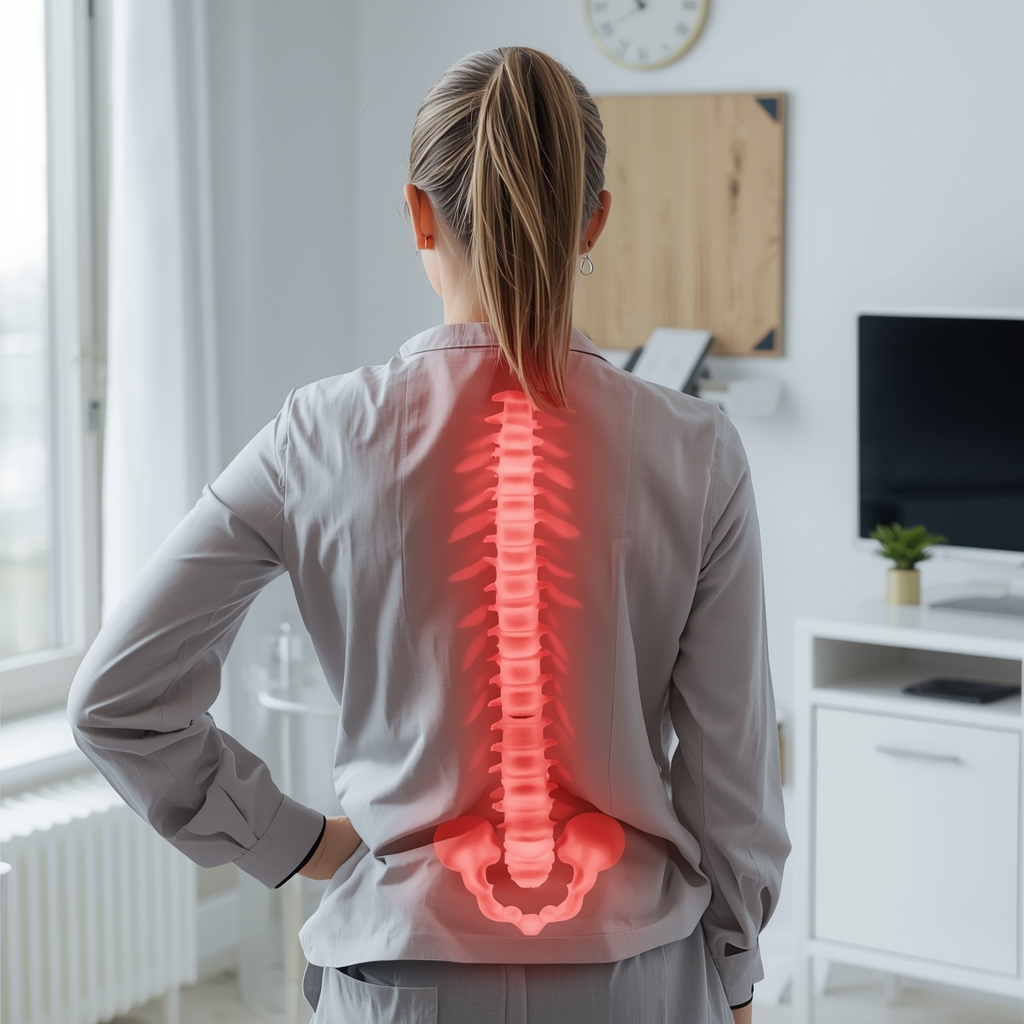
Understanding the Link Between Auto Accidents and Chronic Pain
Auto accidents often cause sudden, forceful movements that strain the musculoskeletal system, particularly the neck and spine. While immediate injuries like whiplash or soft tissue damage are common, some patients develop chronic pain if these issues aren’t addressed promptly. Chiropractic care focuses on restoring proper alignment and function, which may help prevent long-term complications. By addressing misalignments and reducing inflammation early, chiropractors aim to support the body’s natural healing processes. However, chronic pain development varies based on injury severity, individual health, and treatment adherence. Recognizing this connection is crucial for patients seeking proactive care after an accident.
Early Warning Signs of Chronic Pain After an Accident
Patients should be vigilant for symptoms that may indicate developing chronic pain. Persistent neck or back pain, headaches, stiffness, or limited range of motion often signal underlying issues. Tingling, numbness, or radiating pain in the arms or legs may suggest nerve involvement. Fatigue, difficulty sleeping, or mood changes can also emerge as the body struggles to recover. These signs don’t always mean chronic pain is inevitable, but they warrant attention. Ignoring them may allow minor injuries to progress into more severe, long-lasting conditions. Early recognition allows patients to seek timely intervention, which is key to preventing prolonged suffering.
How Chiropractic Care Addresses Post-Accident Injuries
Chiropractors use non-invasive techniques to assess and treat injuries from auto accidents. Spinal adjustments help realign the vertebrae, reducing pressure on nerves and improving mobility. Soft tissue therapies, such as massage or Active Release Technique, may alleviate muscle tension and inflammation. Chiropractors also evaluate posture, gait, and joint function to identify compensatory patterns that could worsen pain over time. By restoring balance to the musculoskeletal system, these interventions aim to accelerate healing and reduce the risk of chronic issues. Patients often report improved comfort and function after consistent care, though outcomes depend on individual factors like injury severity and treatment compliance.
The Importance of Timely Chiropractic Intervention
Seeking chiropractic care soon after an accident can significantly impact recovery outcomes. Delayed treatment may allow injuries to stabilize in a misaligned state, increasing the likelihood of chronic pain. Chiropractors can identify subtle issues that might go unnoticed during initial medical evaluations, such as minor spinal shifts or muscle imbalances. Early intervention helps prevent secondary complications, like muscle atrophy or joint degeneration, which can arise from prolonged immobility. Patients who engage with chiropractic care promptly often experience faster relief and better long-term results. However, it’s essential to work with a qualified provider who understands the unique challenges of post-accident recovery.
Empowering Patients to Recognize and Act on Symptoms
Patients play a critical role in their recovery by staying attuned to their bodies. Keeping a symptom journal can help track changes in pain levels, mobility, or other concerns. Open communication with a chiropractor ensures that treatment plans adapt to evolving needs. Patients should ask questions about their condition, treatment options, and expected outcomes. Education about the recovery process fosters informed decision-making and reduces anxiety. By actively participating in their care, patients can optimize results and reduce the risk of chronic pain. Remember, every individual’s response to treatment varies, so personalized guidance from a chiropractor is essential.
Collaborative Care for Optimal Recovery
Chiropractic care often works best as part of a broader recovery strategy. Collaboration with medical professionals, physical therapists, or pain specialists ensures comprehensive support. Chiropractors may refer patients to other experts for imaging, medication, or additional therapies when needed. This integrated approach addresses both structural and functional aspects of recovery. Patients should feel empowered to discuss all treatment options with their care team. By combining chiropractic expertise with other modalities, individuals can create a tailored plan that maximizes healing potential. Ultimately, proactive, coordinated care is the best defense against chronic pain after auto accidents.














