
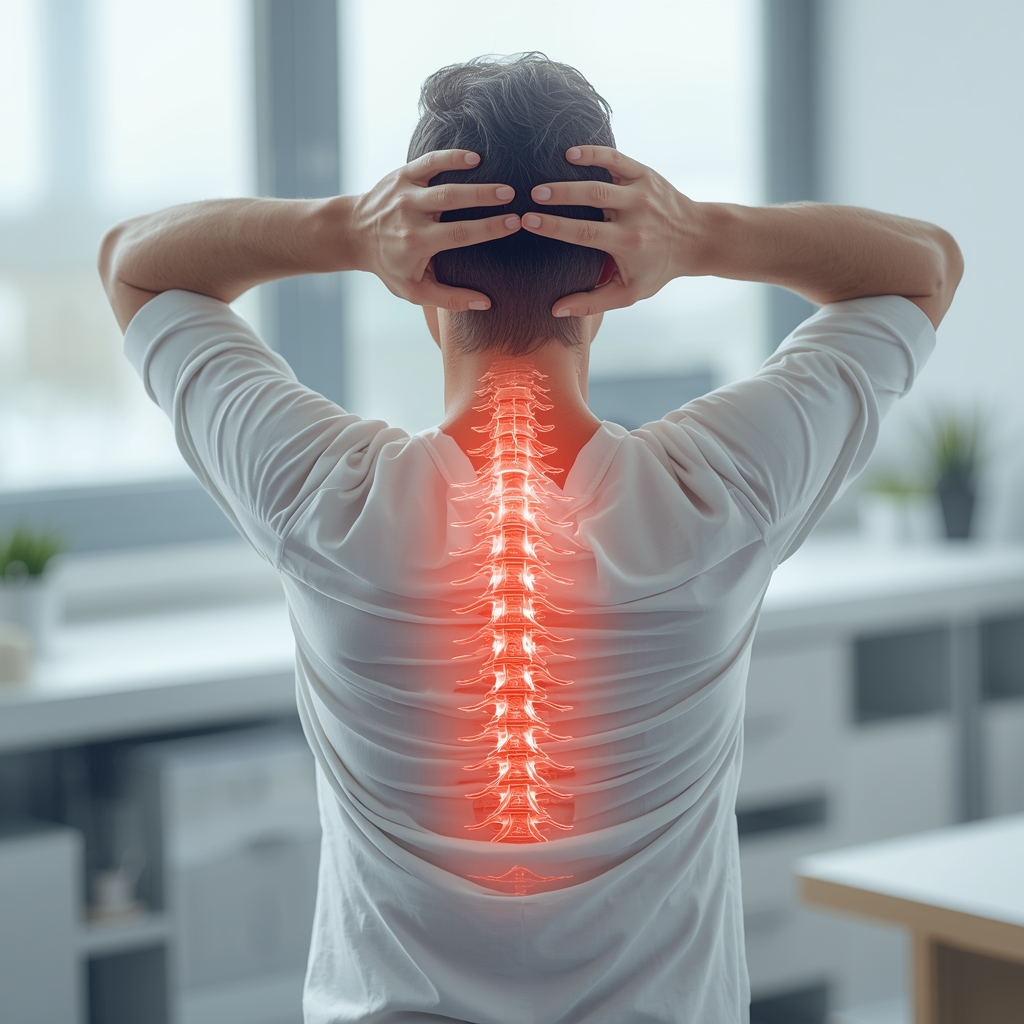
Understanding Neuropathy in Multiple Sclerosis
Neuropathy, characterized by nerve damage and abnormal sensations, is a common complication in multiple sclerosis (MS). MS disrupts nerve communication through immune-mediated damage to the central nervous system, often leading to pain, numbness, or tingling. While conventional treatments focus on managing symptoms, chiropractic care offers complementary strategies to address nerve-related discomfort. By focusing on spinal alignment and nervous system function, chiropractors aim to reduce pressure on nerves and improve overall neurological health. This approach is not a substitute for medical care but may support broader management plans. Patients should always consult qualified healthcare providers to ensure safety and coordination with other treatments.
Spinal Adjustments and Nerve Function
Spinal adjustments are a cornerstone of chiropractic care, aiming to restore proper alignment and mobility to the spine. In MS patients with neuropathy, misalignments (subluxations) may exacerbate nerve irritation or compression. By gently realigning the vertebrae, chiropractors seek to alleviate pressure on affected nerves, potentially reducing pain and improving signal transmission. While research on this specific application is limited, many patients report subjective improvements in comfort and mobility. It is essential to note that adjustments should be performed by licensed professionals who understand the unique needs of MS patients. This approach is most effective when integrated with other therapies and monitored by a healthcare team.
Soft Tissue Therapies for Neuropathic Pain
Soft tissue therapies, such as Active Release Technique (ART) or Graston Technique, target muscles, tendons, and ligaments to reduce tension and improve circulation. In MS-related neuropathy, these methods may help alleviate secondary pain caused by muscle spasms or compensatory postures. By addressing soft tissue restrictions, chiropractors can indirectly support nerve function and reduce discomfort. These techniques are often used alongside spinal adjustments to create a holistic treatment plan. Patients should discuss their specific symptoms with a chiropractor to determine if soft tissue work is appropriate. As with all interventions, individual responses vary, and results should be evaluated in the context of a broader care strategy.
Integrative Approaches to Symptom Management
Chiropractic care often works best when combined with other therapies to address the multifaceted nature of MS-related neuropathy. Techniques like cold laser therapy, electrical stimulation, or corrective exercises may complement spinal adjustments and soft tissue work. These integrative approaches aim to reduce inflammation, enhance nerve conductivity, and improve mobility. However, the effectiveness of such combinations varies based on individual health profiles. Patients should collaborate with their chiropractor and neurologist to tailor a plan that aligns with their overall treatment goals. Open communication between healthcare providers ensures safe and coordinated care, minimizing risks while maximizing potential benefits.
Patient-Centered Care and Individualized Plans
Each MS patient experiences neuropathy differently, making personalized care essential. Chiropractors assess factors like symptom severity, disease progression, and overall health to design customized treatment strategies. This may involve adjusting the frequency of visits, combining therapies, or modifying techniques to avoid exacerbating symptoms. Regular reassessments allow for dynamic adjustments to the care plan as needs evolve. Patients are encouraged to maintain open dialogue with their chiropractor about any changes in symptoms or concerns. By prioritizing individualized care, chiropractors help patients navigate the complexities of MS while supporting their comfort and quality of life.
Conclusion: Balancing Chiropractic and Medical Care
While chiropractic strategies may offer supportive benefits for managing neuropathy in MS, they should not replace conventional medical treatments. Spinal adjustments, soft tissue therapies, and integrative approaches can complement standard care by addressing nerve function and musculoskeletal factors. However, the effectiveness of these methods varies, and results depend on individual circumstances. Patients are advised to work closely with both their chiropractor and neurologist to ensure a cohesive approach. Open communication, regular monitoring, and a focus on overall well-being are key to optimizing outcomes. As research continues, chiropractic care remains a potential tool in the broader landscape of MS symptom management.













