
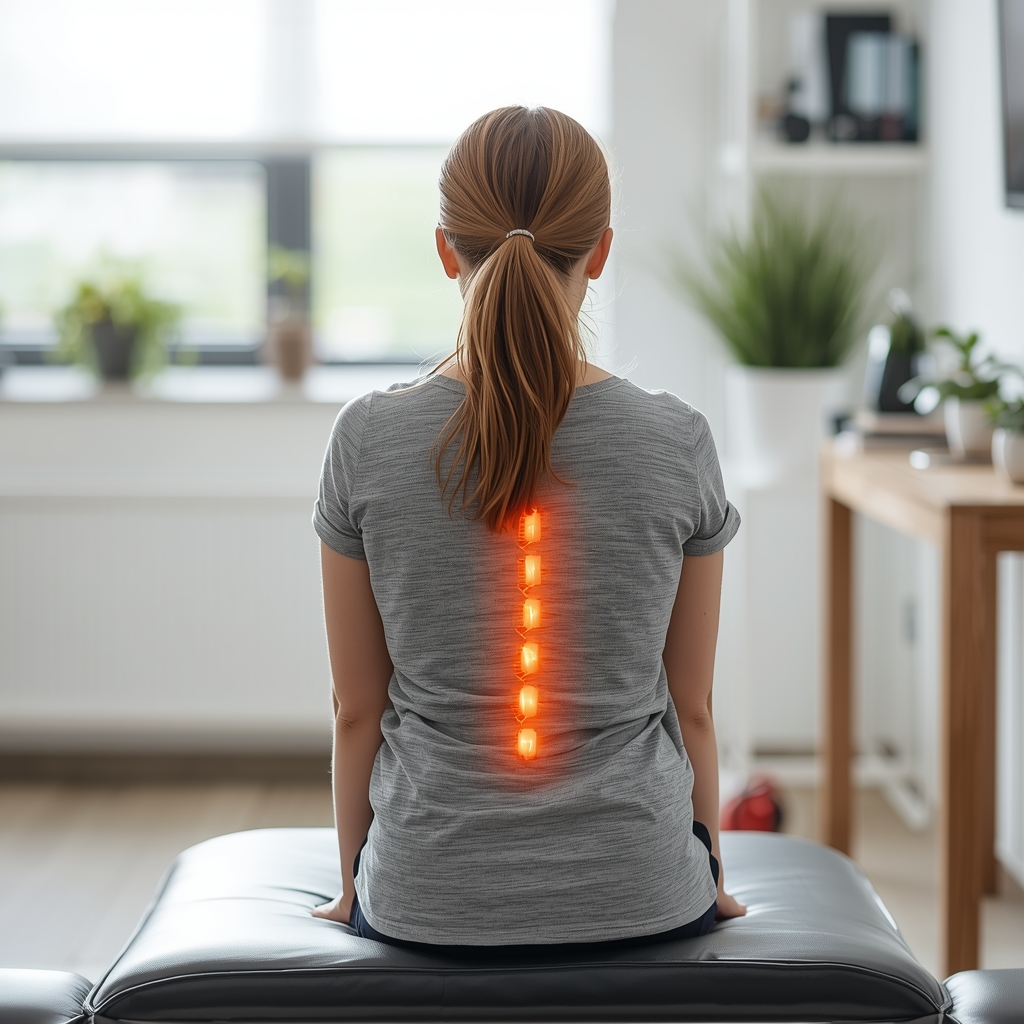
Understanding Adolescent Scoliosis and Chiropractic Care
Adolescent scoliosis involves an abnormal curvature of the spine, often detected during growth spurts. While mild cases may require monitoring, some patients benefit from chiropractic interventions to manage symptoms and improve posture. Chiropractors focus on non-invasive approaches, emphasizing spinal alignment and nerve function. However, it is crucial to differentiate between idiopathic scoliosis and other conditions, as treatment strategies vary. A qualified chiropractor will collaborate with medical professionals to ensure care aligns with established guidelines. Patients and families should understand that chiropractic adjustments are part of a broader management plan, not a standalone solution. Open communication with healthcare providers helps tailor strategies to the individual’s needs, ensuring safety and effectiveness.
Comprehensive Assessment Before Adjustment
Before any chiropractic adjustment, a thorough evaluation is essential for adolescent scoliosis. This includes reviewing medical history, imaging results (like X-rays), and physical examinations to assess the curve’s severity and progression. Chiropractors must avoid assumptions about the condition’s cause, as scoliosis can stem from various factors. The goal is to identify if adjustments are appropriate or if referral to an orthopedic specialist is needed. For example, severe curves may require bracing or surgery, which chiropractic care does not replace. By prioritizing accurate diagnosis, practitioners ensure adjustments are safe and targeted. This step also helps set realistic expectations, as results vary based on the patient’s unique condition and growth stage.
Techniques Tailored to Adolescent Development
Chiropractic adjustments for adolescents with scoliosis require specialized techniques that accommodate their growing bodies. High-velocity, low-amplitude thrusts may not be suitable for all patients, so gentler methods like flexion-distraction or instrument-assisted adjustments are often preferred. These approaches aim to reduce spinal pressure without forcing alignment, which is critical during periods of rapid growth. The chiropractor must also consider the patient’s comfort and cooperation, as adolescents may be more sensitive to certain movements. Regular follow-ups allow for adjustments to the care plan as the spine develops. By focusing on individualized, low-force techniques, chiropractors support spinal health while minimizing risks associated with aggressive interventions.
Monitoring Progress and Adjusting Care
Regular monitoring is vital to track how an adolescent’s scoliosis responds to chiropractic care. This involves periodic evaluations to assess changes in spinal curvature, posture, and symptoms. Imaging may be used sparingly to avoid unnecessary radiation exposure, with emphasis on clinical observations and patient feedback. If progress plateaus or worsens, the care plan may need revision, potentially involving referrals to other specialists. Chiropractors must communicate findings clearly to patients and families, ensuring they understand the purpose of ongoing adjustments. This proactive approach helps address concerns early and reinforces the importance of consistency. By staying attuned to the patient’s evolving needs, practitioners can optimize outcomes while maintaining safety.
Communication and Patient Education
Effective communication is key when managing scoliosis in adolescents through chiropractic care. Patients and their families should receive clear explanations about the condition, treatment options, and expected outcomes. Chiropractors must avoid making definitive promises about correcting the curve, instead focusing on symptom relief and functional improvements. Educating patients about posture, exercise, and self-care complements adjustments and empowers them to take an active role. Open dialogue also helps address fears or misconceptions, fostering trust in the care process. By maintaining transparency and empathy, practitioners create a supportive environment that encourages adherence to the treatment plan and promotes long-term spinal health.
When to Seek Additional Medical Guidance
While chiropractic care can be beneficial, it is not a substitute for medical evaluation in certain cases. Adolescents with severe scoliosis, neurological symptoms, or rapidly progressing curves should be referred to orthopedic specialists or other healthcare providers. Chiropractors must recognize red flags such as pain radiating to limbs, muscle weakness, or changes in bowel/bladder function, which may indicate underlying issues requiring urgent attention. Collaboration with medical professionals ensures a holistic approach, combining chiropractic adjustments with other therapies like physical therapy or bracing. By prioritizing patient safety and adhering to established referral protocols, chiropractors contribute to comprehensive care that addresses both spinal health and overall well-being.












