
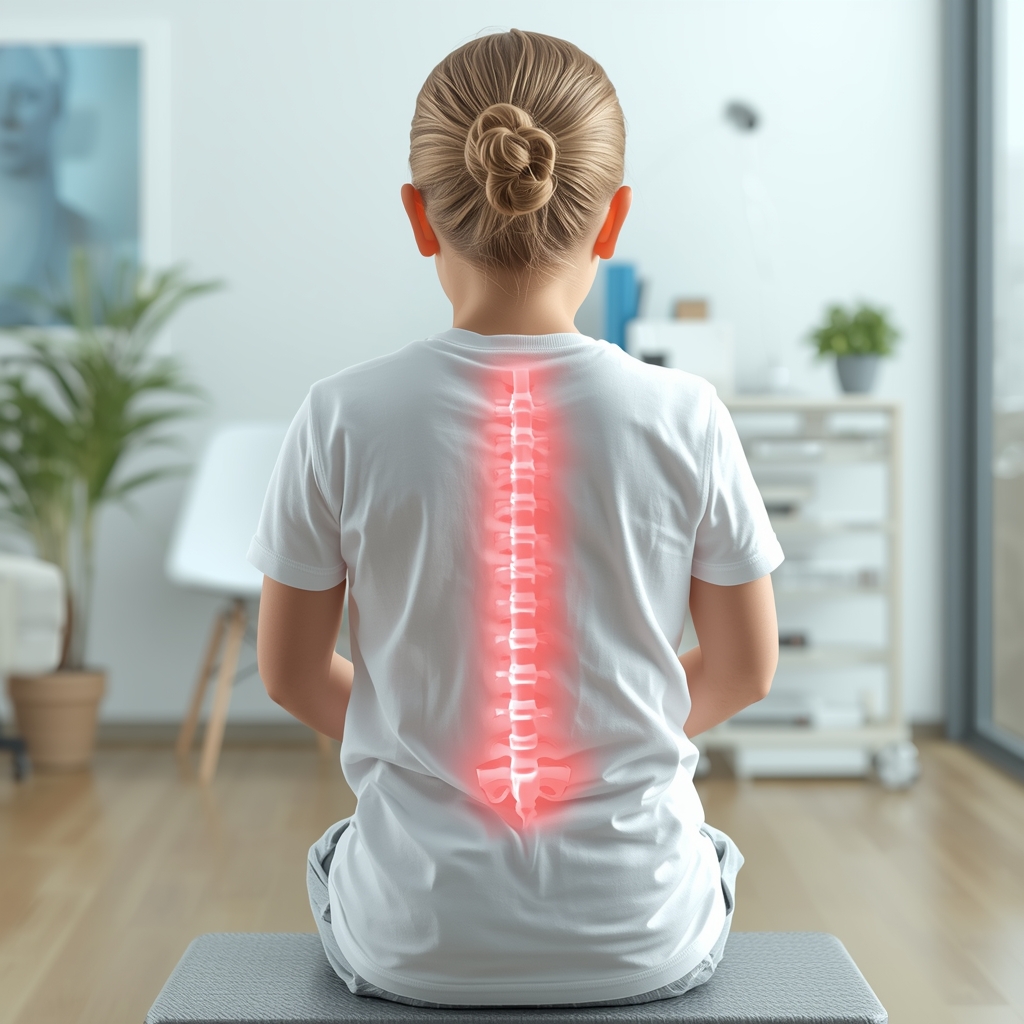
Understanding Mild Scoliosis in Children
Mild scoliosis refers to a slight sideways curvature of the spine, often detected during routine childhood check-ups. While many cases remain stable, early monitoring is critical to prevent progression. Chiropractic care may play a supportive role in observing spinal development, ensuring alignment remains within healthy parameters. Parents should be aware that scoliosis varies in severity, and early intervention can influence long-term outcomes. Chiropractors focus on non-invasive approaches to maintain spinal health, emphasizing regular assessments to track changes over time. This proactive stance helps identify potential issues before they worsen, offering families a foundation for informed decision-making about their child’s care.
How Chiropractors Monitor Spinal Curvature
Chiropractors use specialized techniques to evaluate spinal alignment, including physical exams and posture assessments. For children with mild scoliosis, these evaluations help track curvature patterns and detect subtle shifts. Regular visits allow practitioners to monitor growth spurts, which can impact spinal development. While chiropractic care does not correct scoliosis, it provides a framework for ongoing observation. Practitioners may collaborate with pediatricians or orthopedic specialists to ensure comprehensive care. By focusing on early detection, chiropractors contribute to a holistic approach that prioritizes the child’s comfort and long-term spinal health.
Supportive Care for Spinal Development
Chiropractic care for children with mild scoliosis often includes gentle adjustments to promote proper spinal alignment. These techniques aim to reduce tension in the musculoskeletal system, supporting the body’s natural balance. Alongside adjustments, chiropractors may recommend posture education and exercises to strengthen core muscles. However, these strategies are always tailored to the child’s specific needs and developmental stage. The goal is to create a supportive environment for spinal growth without imposing rigid protocols. By fostering a proactive approach, chiropractors help families navigate scoliosis management with confidence and clarity.
The Role of Chiropractic in Preventing Progression
While chiropractic care cannot reverse scoliosis, it may help manage mild cases by addressing contributing factors like muscle imbalances or postural strain. Regular adjustments can alleviate pressure on the spine, potentially reducing the risk of worsening curvature. Chiropractors emphasize the importance of consistent monitoring, as early intervention often yields better results. However, it’s essential to recognize that scoliosis management varies by individual, and chiropractic care should complement, not replace, other medical recommendations. Families are encouraged to work with qualified professionals to develop a well-rounded plan that aligns with their child’s unique needs.
Early Intervention and Long-Term Outcomes
Early detection and management of mild scoliosis are crucial for optimizing spinal health. Chiropractic care offers a non-invasive option for families seeking to support their child’s development. By addressing spinal imbalances early, practitioners help create a foundation for healthy growth. This approach may reduce the likelihood of more aggressive treatments later, such as bracing or surgery. However, outcomes depend on the child’s specific condition and adherence to a comprehensive care plan. Chiropractors play a vital role in guiding families through this process, ensuring they have the tools to make informed choices about their child’s health.
Consulting a Qualified Chiropractor
Parents considering chiropractic care for their child should seek practitioners experienced in pediatric scoliosis management. A qualified chiropractor will conduct thorough evaluations and develop a personalized care plan. It’s important to discuss expectations and treatment goals openly, ensuring alignment with the child’s overall health strategy. Chiropractic care is most effective when integrated with other medical guidance, such as from pediatricians or specialists. By fostering a collaborative approach, families can confidently navigate scoliosis management, prioritizing their child’s well-being at every stage of development.













