
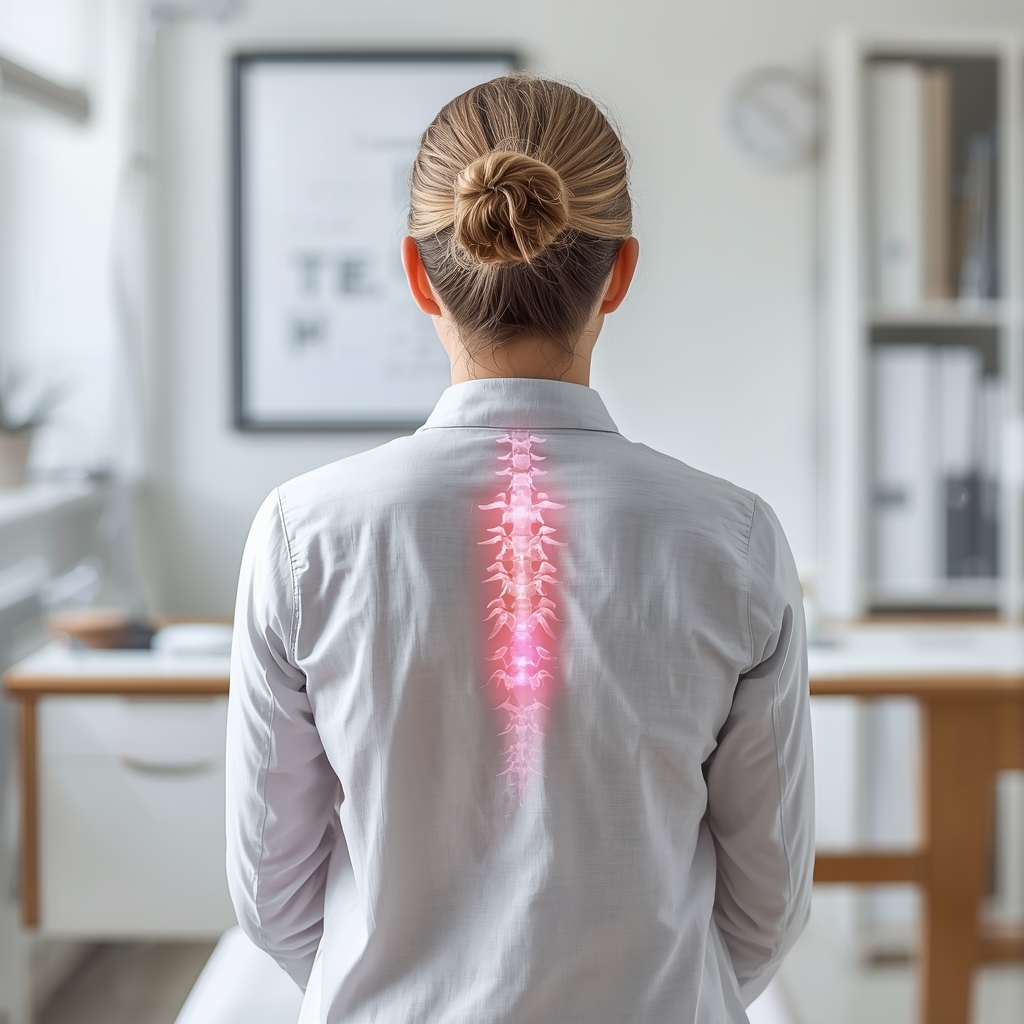
Understanding Cervical Spinal Stenosis and Non-Surgical Options
Cervical spinal stenosis occurs when the spinal canal in the neck narrows, potentially compressing the spinal cord or nerves. This can cause pain, numbness, weakness, or balance issues. While surgery is an option for severe cases, many patients seek non-invasive approaches to manage symptoms. Chiropractic care focuses on improving spinal alignment, reducing pressure, and enhancing mobility. Techniques like spinal adjustments, soft tissue therapy, and decompression may offer relief without surgical intervention. It’s important to work with a licensed chiropractor who specializes in cervical care to ensure safe, personalized treatment. These methods aim to support the body’s natural healing processes while addressing the root causes of discomfort.
Spinal Adjustments and Cervical Manipulation
Spinal adjustments, a cornerstone of chiropractic care, involve precise manual techniques to realign the vertebrae. For cervical stenosis, gentle manipulations may help relieve pressure on nerves and the spinal cord. Chiropractors use specialized tools or hands-on methods to restore proper joint function and improve range of motion. While not a cure, these adjustments can reduce pain and enhance mobility. However, they must be performed by a qualified professional to avoid risks. Patients often report improved comfort after sessions, though results vary. Combining adjustments with other therapies, such as decompression or postural corrections, may maximize benefits. Always consult a chiropractor to determine if this approach suits your condition.
Decompression Therapy for Cervical Spinal Stenosis
Decompression therapy uses mechanical traction to gently stretch the spine, creating space between vertebrae. This can alleviate pressure on nerves and the spinal cord, common in cervical stenosis. The process is non-invasive and often paired with other chiropractic techniques. By reducing compression, decompression may ease pain and improve circulation. Some patients experience relief from tingling, numbness, or weakness. However, it’s not suitable for everyone, and results depend on the severity of the condition. Chiropractors tailor the therapy to individual needs, adjusting traction force and duration. While research on its efficacy for stenosis is ongoing, many find it a viable alternative to surgery. Discuss with your provider to assess if this fits your treatment plan.
Soft Tissue and Myofascial Techniques
Soft tissue therapies address muscle tension and fascial restrictions that may exacerbate cervical stenosis symptoms. Techniques like Active Release Technique (ART) or Graston mobilize tight muscles and scar tissue, improving flexibility and reducing pain. Myofascial release involves sustained pressure to relieve knots and restore normal movement. These methods complement spinal adjustments by addressing surrounding musculature, which can contribute to nerve compression. Patients often report reduced stiffness and better posture after sessions. While not a standalone solution, soft tissue work enhances overall spinal function. Chiropractors may recommend regular sessions alongside other treatments. Always ensure practitioners are trained in these techniques to avoid injury.
Posture Correction and Ergonomic Adjustments
Poor posture, such as forward head positioning, can worsen cervical stenosis by increasing spinal strain. Chiropractors often focus on correcting postural imbalances through targeted exercises and ergonomic advice. Simple changes, like adjusting desk setups or sleeping positions, may reduce pressure on the neck. Strengthening core and upper back muscles supports proper alignment, easing symptoms. Patients are encouraged to practice mindful posture throughout the day. Chiropractors may also use taping or braces to reinforce correct positioning. These strategies, when combined with other therapies, can enhance long-term outcomes. Consistency is key, as gradual changes yield sustainable relief.
Integrating Holistic and Adjunct Therapies
Chiropractic care for cervical stenosis often incorporates holistic approaches like acupuncture, massage, or corrective exercises. These therapies address pain, inflammation, and mobility from multiple angles. Acupuncture may stimulate nerves and improve circulation, while massage relieves muscle tension. Corrective exercises strengthen supporting structures, promoting stability. Lifestyle factors—such as stress management or diet—also play a role in overall well-being. Chiropractors may collaborate with other practitioners to create a comprehensive plan. While no single method works for all, a personalized, multidisciplinary approach maximizes benefits. Always discuss new therapies with your provider to ensure safety and compatibility with your care strategy.













