
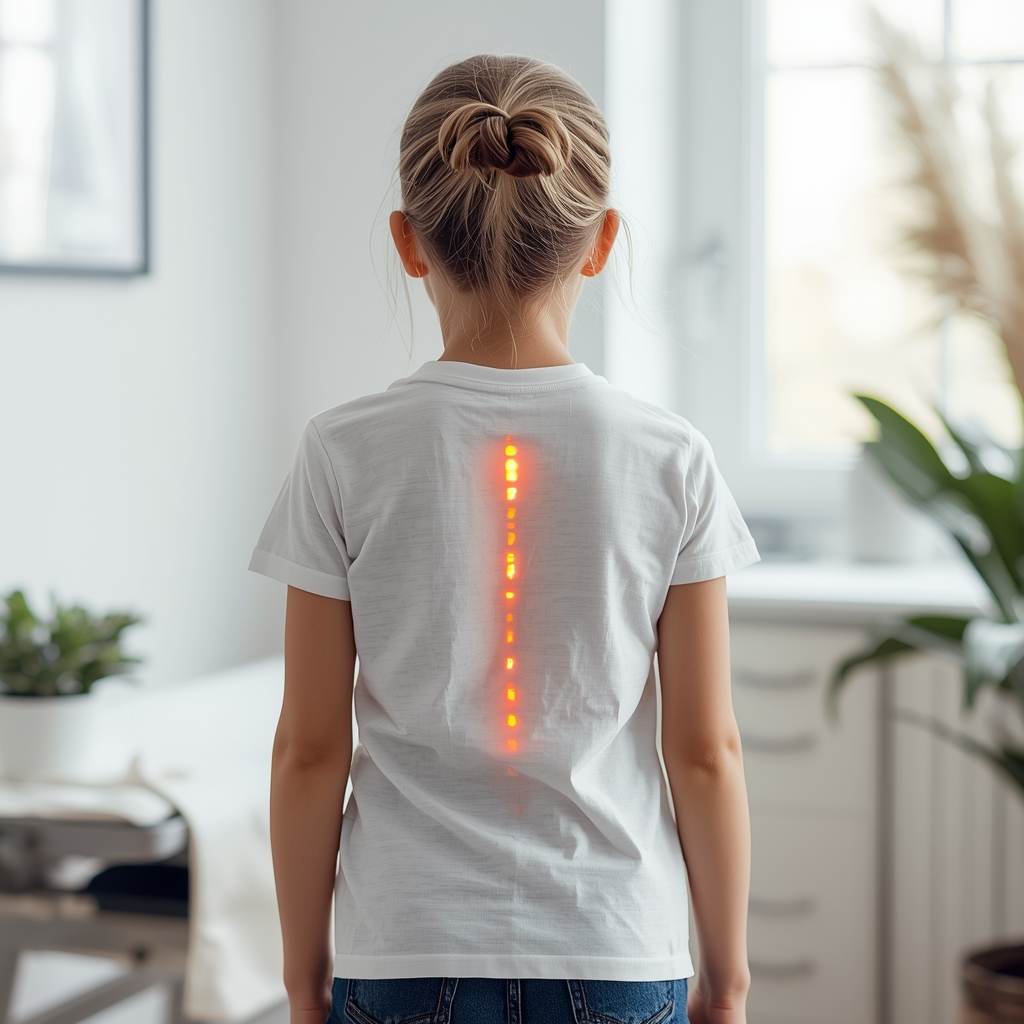
Understanding Scoliosis in Growing Children
Scoliosis is a spinal condition characterized by an abnormal sideways curvature, often detected during childhood or adolescence. While some cases are mild, others may progress, potentially affecting posture, mobility, and organ function. Early recognition is critical, as timely intervention can significantly influence outcomes. Chiropractic care plays a supportive role in monitoring spinal health, focusing on maintaining alignment and preventing further deviation. Parents should be aware that scoliosis is not solely about visible postural changes—it can also involve subtle shifts in spinal mechanics. Regular check-ups with a healthcare provider, including chiropractors trained in pediatric care, help track developments and address concerns before they escalate.
The Role of Chiropractic Care in Monitoring Scoliosis
Chiropractors specializing in pediatric care use non-invasive techniques to assess spinal alignment and detect early signs of scoliosis. Through physical exams and imaging (when appropriate), they monitor curvature progression and identify musculoskeletal imbalances. While chiropractic care cannot reverse scoliosis, it may help manage symptoms and support overall spinal function. Techniques like gentle adjustments and posture re-education aim to reduce stress on the spine and promote natural movement. Chiropractors often collaborate with orthopedic specialists to ensure a holistic approach, emphasizing preventive strategies over reactive measures. This partnership ensures families receive comprehensive guidance without unnecessary interventions.
Early Signs Parents Should Recognize
Parents should watch for subtle indicators of scoliosis, such as uneven shoulders, a tilted head, or one hip appearing higher than the other. A visible curve in the spine, especially when bending forward, is another red flag. Children may also experience back pain, fatigue after physical activity, or difficulty standing upright. These signs often develop gradually, making regular observation essential. Early detection allows for timely referrals to specialists, including chiropractors, who can initiate monitoring and recommend lifestyle adjustments. Encouraging open communication with children about their body and any discomfort they feel fosters proactive health habits. Recognizing these cues early empowers families to seek professional support before complications arise.
Non-Surgical Interventions and Chiropractic Approaches
Chiropractic care for scoliosis focuses on managing symptoms and supporting spinal stability through non-invasive methods. Techniques such as spinal adjustments, soft tissue therapy, and corrective exercises may help alleviate discomfort and improve mobility. While these approaches do not correct the curvature itself, they can enhance overall function and reduce strain on the spine. Chiropractors may also guide families on posture correction, ergonomic adjustments, and low-impact physical activities to promote spinal health. It is important to note that chiropractic care is most effective when integrated with other medical recommendations, such as bracing or physical therapy, as determined by a healthcare provider. This collaborative approach ensures children receive tailored support without relying on surgical solutions.
Importance of Regular Check-Ups and Early Intervention
Regular medical evaluations are vital for children at risk of scoliosis, as early intervention can prevent severe progression. Chiropractors play a key role in these assessments, tracking spinal development during growth spurts. Annual screenings, especially during adolescence, help identify changes that may require further action. Parents should prioritize these check-ups, even if no obvious symptoms are present, as scoliosis can progress silently. Early detection allows for timely adjustments to care plans, such as modified activities or targeted exercises. By staying proactive, families can work with healthcare providers to maintain their child’s spinal health and minimize long-term impacts. This preventive mindset is crucial for managing scoliosis effectively.
Collaborative Care and Parental Involvement
Managing scoliosis in children requires a team effort involving chiropractors, pediatricians, and parents. Chiropractors provide ongoing monitoring and adjustments, while parents reinforce healthy habits at home, such as proper posture and physical activity. Open communication between families and healthcare providers ensures care plans remain aligned with the child’s needs. Parents should ask questions, track observations, and report any changes in their child’s condition. This partnership fosters a supportive environment for the child, reducing anxiety and promoting adherence to recommendations. By working together, families and healthcare professionals can create a comprehensive strategy that prioritizes the child’s well-being and long-term spinal health.















