
Understanding Opioid-Induced Gastrointestinal Issues
Opioid medications, while effective for pain management, often cause gastrointestinal side effects such as constipation, bloating, and discomfort. These issues arise because opioids slow down digestive tract motility and can alter nerve signaling. Chronic use may lead to long-term gastrointestinal dysfunction, reducing quality of life. Patients often seek alternative strategies to manage these symptoms without relying on additional medications. Chiropractic care offers a non-pharmacological approach that focuses on the body’s natural ability to self-regulate, making it a potential complementary option for those experiencing opioid-related digestive challenges.
How Chiropractic Care May Help
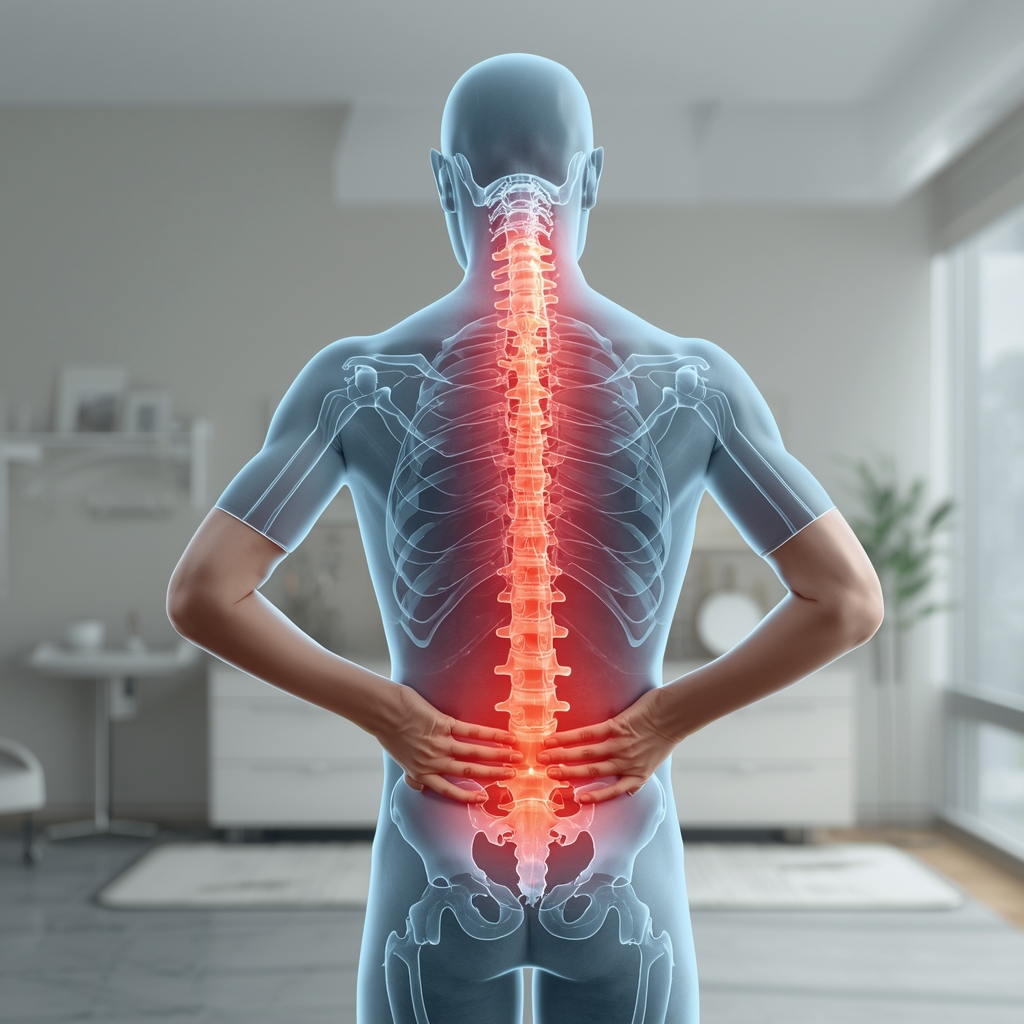
Chiropractic care emphasizes the relationship between the spine and nervous system, which plays a critical role in regulating digestive function. By addressing spinal misalignments, chiropractors aim to improve nerve communication between the brain and gastrointestinal tract. This may help alleviate some of the discomfort caused by opioid-induced constipation. While not a direct treatment for the condition, chiropractic adjustments can support overall bodily function and reduce secondary symptoms. Patients often report improved bowel regularity and reduced bloating after consistent care, though individual results may vary. It’s important to note that chiropractic care should complement, not replace, medical advice for opioid management.
Spinal Adjustments and Nervous System Function
The nervous system controls involuntary bodily functions, including digestion. Opioids can disrupt this system, leading to sluggish bowel movements. Spinal adjustments, a core component of chiropractic care, aim to restore proper alignment and reduce nerve interference. By doing so, they may help the body better regulate digestive processes. For example, correcting subluxations in the thoracic or lumbar spine could enhance parasympathetic nervous system activity, which promotes rest-and-digest responses. While research on this specific connection is limited, many practitioners observe improvements in gastrointestinal symptoms following adjustments. This approach aligns with the holistic philosophy of chiropractic care, which prioritizes the body’s innate healing capabilities.
Holistic Approaches to Symptom Management
Chiropractic care often integrates lifestyle and dietary recommendations to support overall well-being. For patients dealing with opioid-induced constipation, a chiropractor might suggest dietary changes, hydration strategies, and gentle exercise to aid digestion. These recommendations work alongside spinal adjustments to address both structural and functional aspects of the issue. Additionally, stress reduction techniques, such as mindfulness or breathing exercises, may be incorporated, as stress can exacerbate gastrointestinal discomfort. By taking a multidimensional approach, chiropractic care provides a framework for managing symptoms without relying solely on medication. However, it’s essential to discuss these strategies with a qualified healthcare provider to ensure they align with individual health needs.
The Importance of a Multidisciplinary Approach
Managing opioid-induced gastrointestinal issues often requires collaboration between healthcare providers. Chiropractic care can be a valuable part of this team, offering non-invasive support for symptom relief. However, it should not replace medical supervision, especially for patients on long-term opioid therapy. A multidisciplinary approach may include input from gastroenterologists, pain specialists, and physical therapists to address both pain and digestive health comprehensively. Chiropractors can play a role in this coordination by communicating with other professionals and ensuring care plans are aligned. This teamwork helps patients achieve better outcomes while minimizing the risks associated with medication overuse or dependency.
Consulting a Chiropractor for Personalized Care
Each patient’s experience with opioid-induced gastrointestinal issues is unique, making personalized care essential. A chiropractor can assess individual needs and develop a tailored plan that addresses both spinal health and digestive function. This may involve a combination of adjustments, lifestyle guidance, and referrals to other specialists as needed. Open communication with a chiropractor is key to identifying effective strategies and monitoring progress. Patients should also share their full medical history, including opioid use, to ensure safe and appropriate care. While chiropractic care offers promising support, it’s important to view it as part of a broader health strategy rather than a standalone solution.














